

Operation Process and Working Principle of Wheat Starch Material Conveying
Wheat starch material conveying is a critical process in the food processing and chemical industries, where the efficient and reliable transport of wheat starch from one point to another is essential for maintaining production efficiency and product quality. The process involves several key components and steps that work in tandem to ensure smooth material handling. This article provides a detailed overview of the operation process and working principles of wheat starch material conveying, highlighting the technical aspects and practical applications.
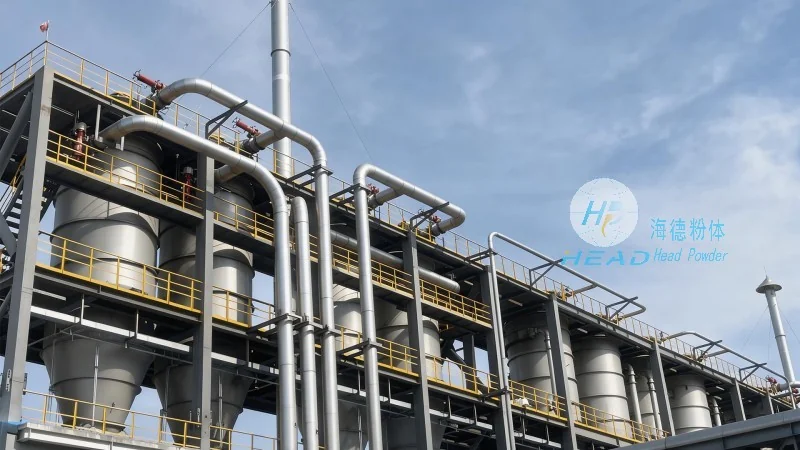
The Core Components of Wheat Starch Material Conveying Systems
At the heart of any wheat starch material conveying system are several key components that work together to facilitate the movement of the material. These components typically include feed hoppers, conveyor belts or screws, control systems, and discharge mechanisms. The feed hopper is responsible for storing and feeding the wheat starch into the conveying system, ensuring a consistent flow of material. The conveyor mechanism, which can be either a belt conveyor or a screw conveyor, is the primary component that transports the wheat starch through the system. Control systems are integrated to regulate the speed and flow of the material, while discharge mechanisms ensure the material is delivered to the intended destination. Each component plays a vital role in the overall efficiency and effectiveness of the conveying process.
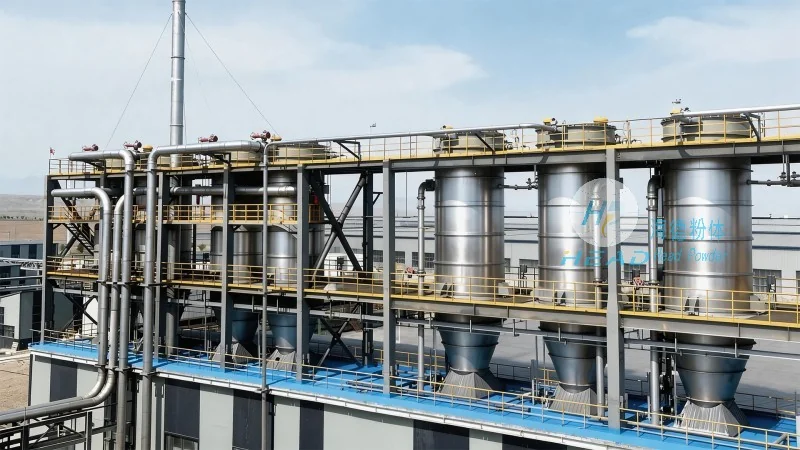
Step-by-Step Operation Process of Wheat Starch Material Conveying
The operation process of wheat starch material conveying can be broken down into several sequential steps. First, the wheat starch is loaded into the feed hopper. The hopper is designed to hold a sufficient quantity of material to maintain a continuous flow to the conveyor. Once the material is in the hopper, it is released into the conveyor system. The conveyor then moves the wheat starch along its path, using either mechanical force or gravity to transport the material. The speed of the conveyor is controlled by the system's control unit, which adjusts based on the material's properties and the desired output rate. As the material moves through the conveyor, it may pass through additional processing steps, such as screening or drying, depending on the specific application. Finally, the wheat starch is discharged from the system at the end of the conveyor, ready for further processing or packaging. This step-by-step process ensures that the material is handled safely and efficiently, minimizing the risk of blockages or spills.
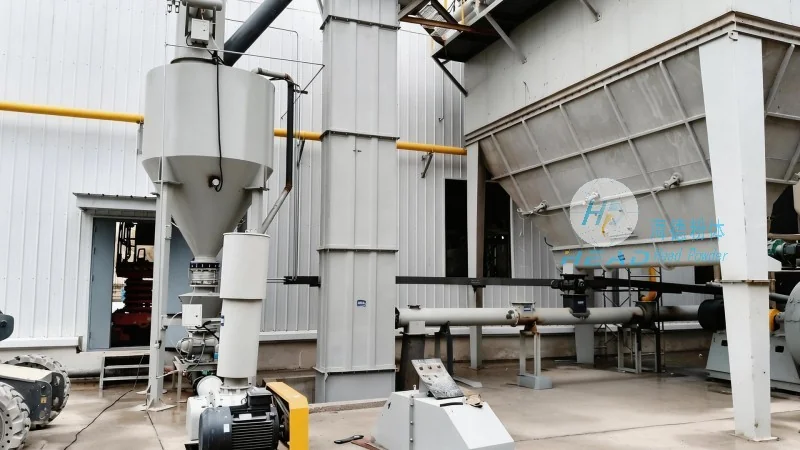
Working Principles Behind Wheat Starch Material Conveying
The working principles of wheat starch material conveying are based on fundamental principles of physics and engineering. The primary principle is the transfer of material from one location to another using mechanical energy. The conveyor system applies a force to the wheat starch, causing it to move along the conveyor path. This force can be generated by the rotation of a screw conveyor or the movement of a belt conveyor. The design of the conveyor system is tailored to the properties of wheat starch, such as its density, flowability, and moisture content. For example, a screw conveyor may be used for materials with a higher density and lower flowability, while a belt conveyor is suitable for lighter and more free-flowing materials. The control system plays a crucial role in maintaining the stability of the conveying process by adjusting the speed and pressure as needed. Additionally, the system is designed to handle the potential challenges of material handling, such as caking or bridging, which can occur in wheat starch due to its hygroscopic nature. By understanding these working principles, operators can optimize the conveying process to achieve higher efficiency and reduce operational costs.
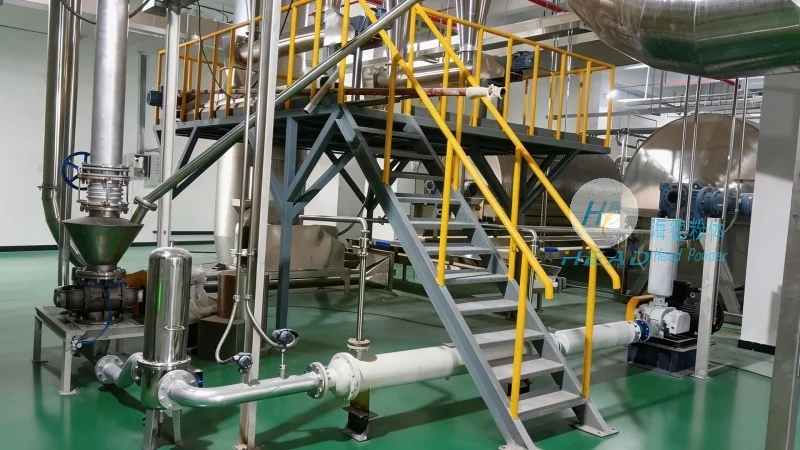
Company Introduction: Shandong HeadPowder Engineering Co., Ltd.
HeadPowder, the professional manufacturer of wheat starch material conveying equipment, is dedicated to providing high-quality and reliable solutions for the food and chemical industries. With years of experience and expertise in the field, HeadPowder has developed advanced conveying systems that meet the specific needs of its clients. The company's headquarters is located in Shandong, China, where it operates a state-of-the-art manufacturing facility equipped with modern technology and skilled personnel. HeadPowder's team of engineers and technicians is committed to delivering innovative and efficient solutions that enhance production efficiency and product quality. The company's products are designed to be durable, easy to maintain, and suitable for various applications, including starch processing, food manufacturing, and chemical production. By choosing HeadPowder, clients can expect superior performance, reliable service, and competitive pricing, making it the ideal partner for their material conveying needs.