

Operation Process and Working Principle of Coating Powder Material Handling
Efficient and reliable material handling is a critical component in the production and processing of coating powders. The smooth operation of these systems ensures consistent quality, reduces downtime, and enhances overall productivity in industrial settings. Understanding the operation process and working principles of coating powder material handling is essential for optimizing performance and maintaining safety standards.
About Shandong HeadPowder Engineering Co., Ltd.
HeadPowder, a leading manufacturer in the field, specializes in providing advanced material handling solutions tailored to the unique needs of the coating powder industry. With a focus on innovation and quality, the company has established itself as a trusted partner for businesses seeking reliable equipment and expert guidance. HeadPowder's commitment to excellence is reflected in its state-of-the-art products and comprehensive support services, making it a go-to choice for companies operating in this sector.
The Operation Process of Coating Powder Material Handling
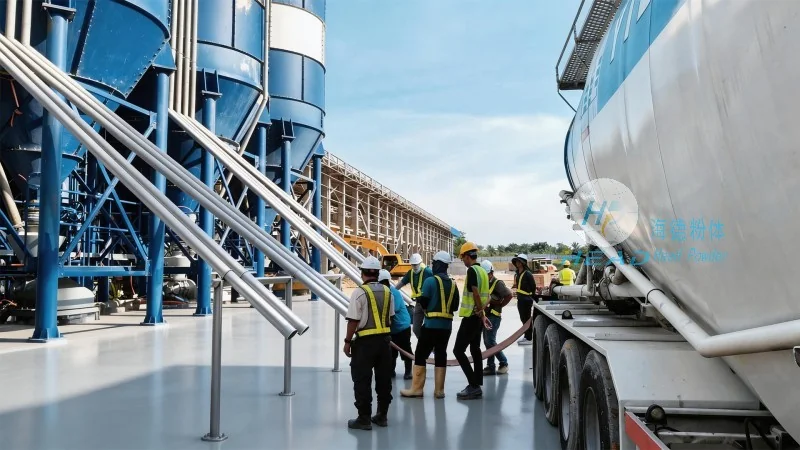
The operation process of coating powder material handling typically involves several key stages designed to ensure the safe and efficient transfer of materials. The first stage is the loading of the coating powder into the storage silo or hopper. This is often done using bulk bags or direct feeding from production lines, ensuring a continuous supply of material. Once loaded, the powder is then transferred to the processing equipment through a series of conveying mechanisms.
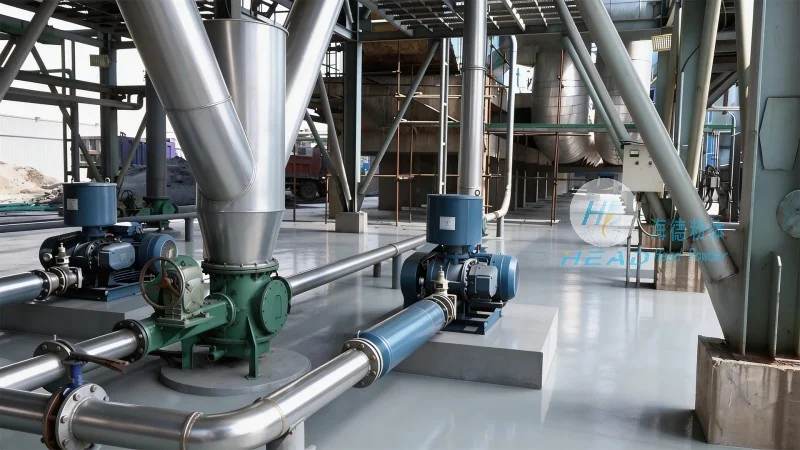
During the transfer process, the material handling system utilizes various technologies such as pneumatic conveying, screw conveyors, or bucket elevators to move the powder from one location to another. Each method is chosen based on factors like material characteristics, distance, and required flow rates. For example, pneumatic conveying systems are ideal for handling fine powders as they minimize dust and provide gentle handling, which is crucial for maintaining the quality of the coating powder.
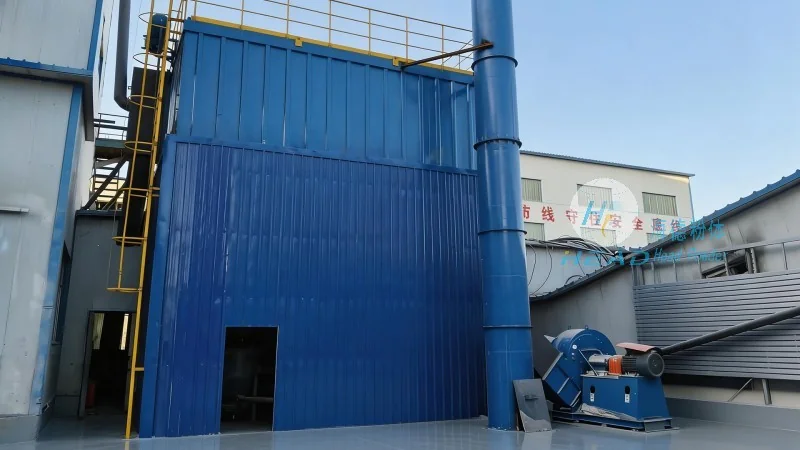
The next stage involves the distribution of the powder to the processing units, such as mixers or spray dryers. This step requires precise control to ensure uniform distribution and prevent clogging or blockages. Advanced control systems are integrated into the material handling process to monitor flow rates, pressure, and other critical parameters, allowing for real-time adjustments and optimization.
After processing, the material may need to be stored or transported to the next stage of production. The system then facilitates the transfer of finished or intermediate products, ensuring a seamless workflow from raw material to final product. This end-to-end process highlights the importance of a well-designed material handling system in achieving operational efficiency and meeting production targets.
Working Principles of Coating Powder Material Handling Systems
The working principles of coating powder material handling systems are based on fundamental engineering concepts that ensure the safe and efficient movement of powders. One of the primary principles is the prevention of material degradation, which can occur due to factors like agglomeration, moisture absorption, or mechanical stress. To address this, the systems are designed with components that minimize these risks, such as low-friction surfaces, proper sealing, and controlled air flow.
A key aspect of the working principle is the use of appropriate conveying methods tailored to the specific properties of the coating powder. For instance, the particle size, density, and moisture content of the powder determine the most suitable conveying technology. Pneumatic systems, for example, are preferred for fine powders due to their ability to handle delicate materials without causing damage. In contrast, mechanical systems like screw conveyors are suitable for bulkier or more abrasive powders, offering high throughput and reliability.
Another critical principle is the maintenance of a consistent flow rate and pressure within the system. This is achieved through the use of control valves, pressure sensors, and flow meters that monitor and regulate the movement of the powder. By maintaining stable conditions, the system prevents issues like clogging, which can lead to equipment failure or production delays. Additionally, the design of the system includes features such as airlocks and dust collectors to ensure environmental safety and compliance with regulations.
The working principles also emphasize the importance of system integration and automation. Modern material handling systems are equipped with advanced control panels and software that allow for remote monitoring and operation. This not only enhances operational efficiency but also provides real-time data on system performance, enabling proactive maintenance and troubleshooting. By leveraging automation, companies can reduce human error, minimize downtime, and improve overall productivity.
Key Components and Their Roles in Coating Powder Material Handling
The effectiveness of a coating powder material handling system relies on the proper functioning of several key components. Each component plays a vital role in ensuring the smooth operation of the entire process. The storage silo or hopper is the first component, serving as the primary container for the coating powder. It is designed to hold large quantities of material and provide a stable base for the subsequent transfer process.
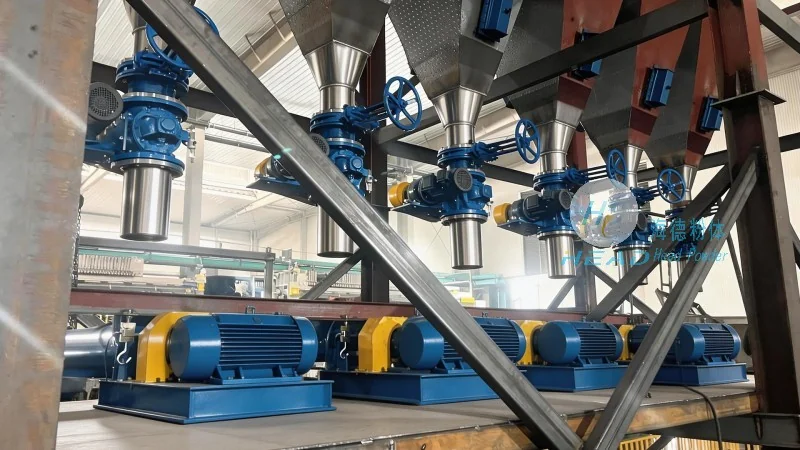
Conveying equipment, such as pneumatic ducts or screw conveyors, is another critical component. These systems are responsible for moving the powder from the storage area to the processing units. The choice of conveying method depends on the specific characteristics of the powder and the operational requirements. For example, pneumatic systems use compressed air to transport the powder, while screw conveyors utilize rotating screws to push the material forward.
Control systems, including sensors and control panels, are essential for monitoring and regulating the material handling process. These components provide real-time data on flow rates, pressure, and other parameters, allowing operators to make informed decisions and adjust the system as needed. The integration of automation in these systems enhances efficiency and reduces the risk of human error.
Finally, dust collection and safety features are crucial components that ensure the system operates safely and meets environmental regulations. Dust collectors are used to capture and remove airborne particles, preventing contamination and maintaining a clean working environment. Safety features, such as interlocks and emergency stop buttons, are also incorporated to protect operators and prevent accidents.