

Operation Process and Working Principle of Biomass Powder Material Handling
Biomass powder material handling is a critical process in various industrial applications, particularly in sectors dealing with renewable energy sources and sustainable material processing. The efficient transport and management of biomass powders, such as wood chips, agricultural residues, or other organic materials, are essential for optimizing production lines and ensuring consistent quality in downstream processes. This article provides an in-depth look at the operation process and working principles of biomass powder material handling systems, highlighting key components, operational dynamics, and the role of specialized equipment in maintaining efficiency and reliability.
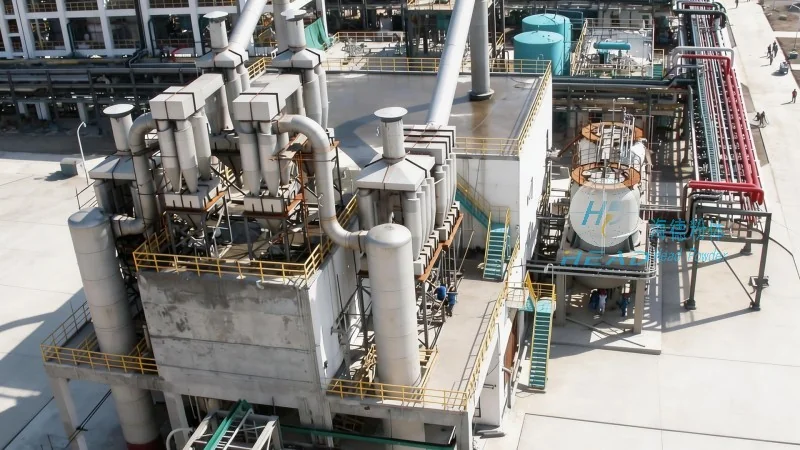
About Shandong HeadPowder Engineering Co., Ltd.
HeadPowder, a leading provider of engineering solutions for material handling, is dedicated to advancing the technology and infrastructure required for biomass powder processing. With a focus on innovation and customer-centric design, the company has established itself as a trusted partner in the development of efficient material transport systems. HeadPowder's expertise spans the entire lifecycle of biomass handling, from initial material reception to final discharge, ensuring that clients achieve optimal performance and sustainability in their operations. The company operates from its headquarters in Shandong, China, where it leverages local resources and industry knowledge to deliver tailored solutions that meet the unique needs of each project.
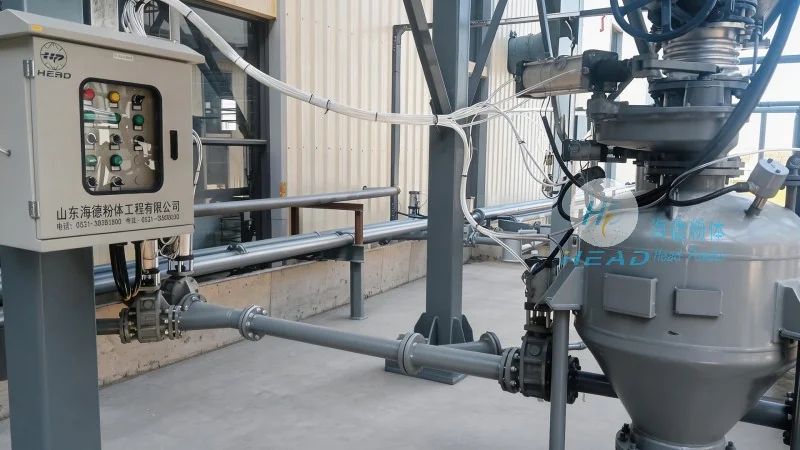
Key Components of Biomass Powder Material Handling Systems
The operation of biomass powder material handling systems relies on a combination of specialized equipment and integrated control mechanisms. At the core of these systems are feeders, conveyors, and storage silos, each designed to handle the specific characteristics of biomass powders—such as varying moisture content, particle size, and flowability. Feeders, such as screw conveyors or rotary valves, are responsible for regulating the flow of material from storage to processing units, ensuring a consistent feed rate that prevents blockages and maintains system stability. Conveyors, including belt or pneumatic systems, transport the material over longer distances, with options tailored to the material's properties and the required throughput. Storage silos, often equipped with aeration systems, help maintain material quality by controlling moisture levels and preventing degradation. Additionally, control panels and sensors are integrated to monitor system performance, detect anomalies, and adjust operational parameters in real-time, enhancing overall efficiency and safety.
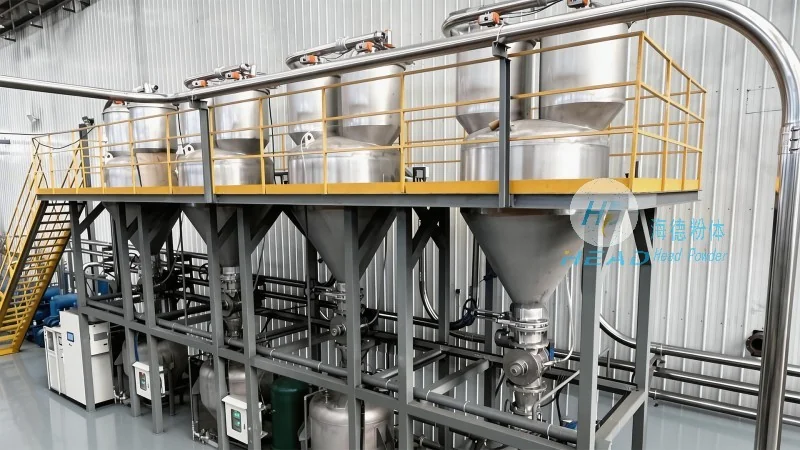
Operation Process of Biomass Powder Material Handling
The operation process of biomass powder material handling typically follows a structured sequence to ensure smooth and continuous material flow. The process begins with material reception, where raw biomass is delivered to the storage silos. From there, the material is transferred to the feeder, which regulates the flow rate based on the downstream processing requirements. The feeder then feeds the material into the conveyor system, which transports it to the processing unit or storage location. Throughout this process, sensors monitor key parameters such as flow rate, pressure, and temperature, providing data to the control system for adjustments. The system is designed to handle variations in material characteristics, such as changes in moisture content or particle size, by automatically adjusting operational settings to maintain optimal performance. This adaptive control ensures that the system remains efficient even under changing conditions, minimizing downtime and maximizing productivity.
Working Principles of Biomass Powder Material Handling
The working principles of biomass powder material handling systems are based on the physical properties of the material and the mechanics of the equipment used. For instance, screw conveyors operate by rotating a helical screw within a tube, pushing the material forward through the system. The speed and pitch of the screw determine the flow rate, allowing for precise control of material movement. Pneumatic conveyors, on the other hand, use compressed air to transport the material in a closed system, which is particularly effective for handling fine powders that are prone to dust and clogging. The pressure and velocity of the air are carefully controlled to ensure that the material is transported without degradation or loss. Storage silos utilize aeration systems to maintain consistent moisture levels, preventing the material from clumping or becoming too dry, which could affect downstream processing. The integration of these principles into a cohesive system allows for the efficient and reliable handling of biomass powders, supporting sustainable industrial practices and renewable energy initiatives.
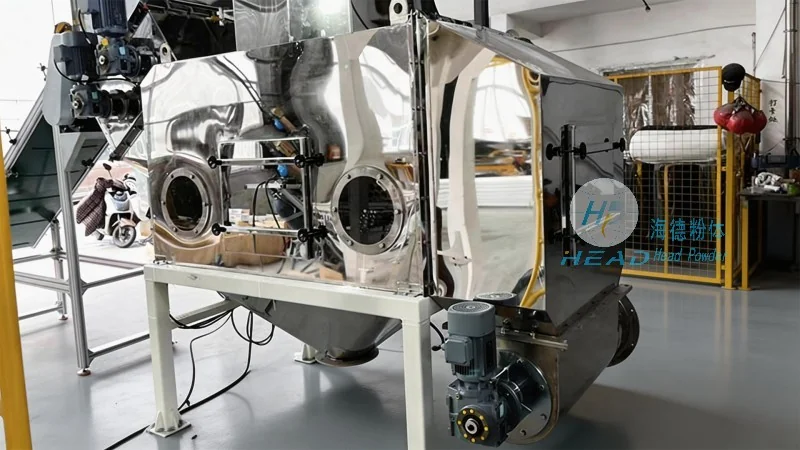
Benefits of Efficient Biomass Powder Material Handling
Efficient biomass powder material handling systems offer numerous benefits to industrial operations, including improved productivity, reduced operational costs, and enhanced sustainability. By ensuring a consistent and reliable flow of material, these systems minimize downtime and reduce the risk of equipment failure, leading to higher overall throughput. The use of advanced control systems and sensors also helps in optimizing energy consumption, as the system adjusts its operations based on real-time conditions, reducing waste and lowering operational expenses. Additionally, efficient handling reduces the environmental impact of biomass processing by minimizing dust emissions and preventing material degradation, aligning with sustainability goals. For companies operating in the renewable energy sector, such as biomass power plants or biofuel manufacturers, effective material handling is crucial for maintaining competitive advantages and meeting production targets. HeadPowder's solutions are designed to address these needs, providing customized systems that enhance operational efficiency and support long-term business success.