

Operation Process and Working Principle of Refractory Material Handling Systems
Refractory material handling systems are critical components in industrial settings, particularly in manufacturing processes that involve high-temperature applications. These systems are designed to efficiently transport and manage refractory materials, which are materials resistant to heat and chemical corrosion, such as bricks, powders, and granules. The proper operation of these systems ensures safety, efficiency, and consistency in production lines. This article will explore the operation process and working principle of such systems, highlighting key components and their functions, with a focus on the solutions provided by Shandong HeadPowder Engineering Co., Ltd., a leading provider of industrial material handling solutions.
Key Components of Refractory Material Handling Systems
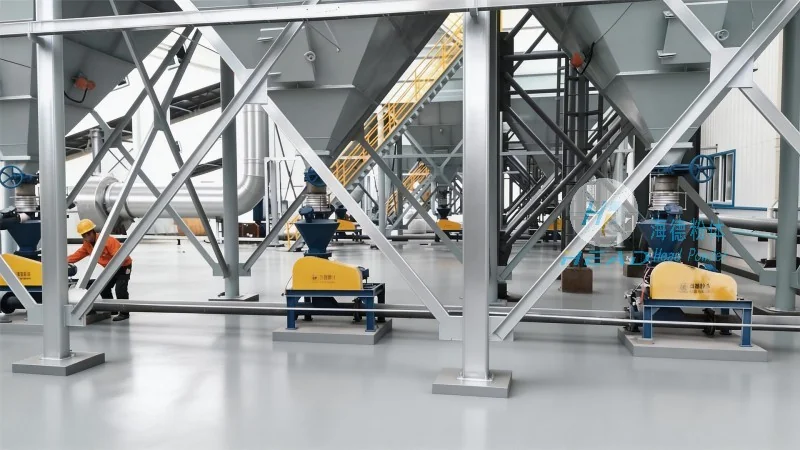
Refractory material handling systems typically consist of several key components that work in tandem to achieve efficient material transport. These components include feeders, conveyors, storage silos, and control systems. Each component plays a crucial role in the overall operation. For instance, feeders are responsible for uniformly feeding materials into the system, while conveyors move the materials through the process. Storage silos are used to store bulk materials, ensuring a steady supply. Control systems manage the entire operation, monitoring parameters like flow rate, temperature, and pressure to maintain optimal performance. The design of these components is tailored to handle the specific characteristics of refractory materials, such as their abrasiveness and high density.
The Operation Process of Refractory Material Handling Systems
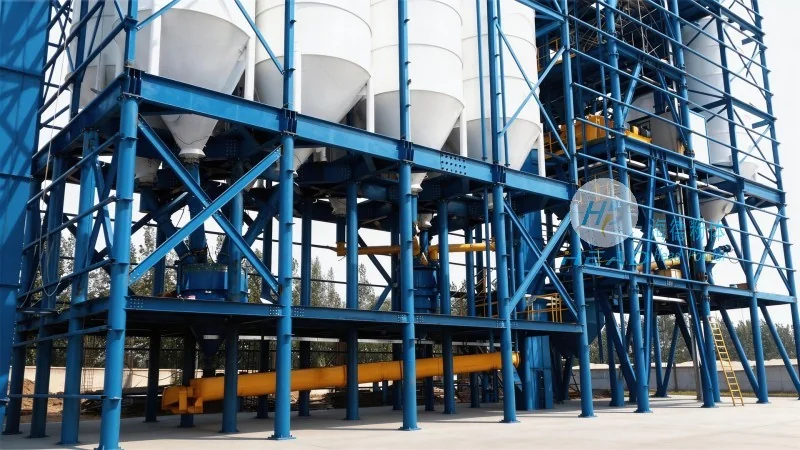
The operation process of a refractory material handling system begins with material intake. Materials are typically stored in bulk in storage silos or hoppers, often located at a strategic height to facilitate gravity feeding. A feeder, such as a rotary valve or a vibratory feeder, then takes the material from the silo and feeds it into a conveyor system. The conveyor transports the material to the processing or packaging area. In some systems, the material may undergo additional processing, such as mixing or blending, before being transported to the next stage. The entire process is controlled by a central control system that monitors and adjusts the flow rate and other parameters to ensure smooth operation. The system operates continuously, with materials being moved from one stage to the next until they are fully processed or packaged. This continuous operation minimizes downtime and maximizes productivity, which is essential for high-volume production environments.
Working Principle of Refractory Material Handling Systems
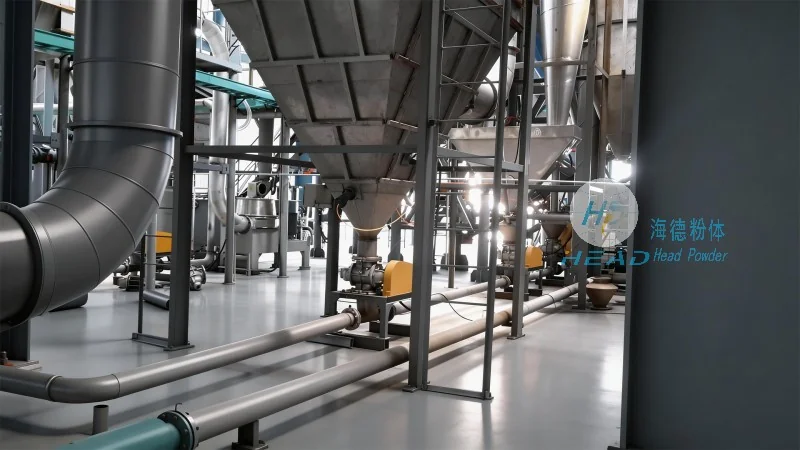
The working principle of refractory material handling systems is based on mechanical and pneumatic or hydraulic systems, depending on the specific design. The primary mechanism involves the movement of materials through a series of components. Feeders use gravity or mechanical force to move materials from the storage silo to the conveyor. Conveyors, such as belt conveyors or screw conveyors, use friction or rotation to transport materials horizontally or vertically. Storage silos are designed to hold large quantities of materials and maintain consistent pressure and flow. Control systems use sensors and feedback loops to adjust the operation of each component, ensuring that the system operates within safe and efficient parameters. For example, a pressure sensor in the silo can trigger the feeder to adjust its speed to prevent overfilling or underfilling. The overall principle is to create a seamless flow of materials from intake to processing or discharge, minimizing downtime and maximizing productivity. The integration of advanced control technology allows for real-time monitoring and adjustment, ensuring that the system adapts to changing production demands.
Applications and Benefits of Refractory Material Handling Systems
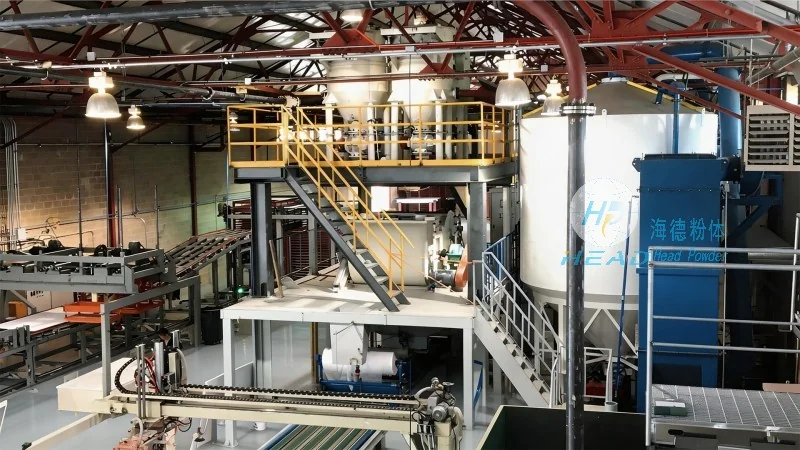
Refractory material handling systems are widely used in various industries, including steel, cement, and glass manufacturing. These systems are essential for handling materials that are heavy, abrasive, and require high-temperature resistance. The benefits of using such systems include improved safety, as manual handling of refractory materials is reduced, and increased efficiency, as materials are transported quickly and consistently. Additionally, these systems help maintain product quality by ensuring uniform material flow and processing. The use of automated control systems also reduces the risk of human error, leading to more reliable and consistent production outcomes. In the steel industry, for instance, refractory material handling systems are used to transport bricks and powders to kilns and furnaces, where they are used to line the high-temperature chambers. In the cement industry, these systems handle raw materials and clinker, ensuring that the production process is efficient and consistent. The adaptability of these systems to different materials and processes makes them a versatile solution for various industrial applications.