

Operation Process and Working Principle of Caustic Soda Material Handling Equipment
Caustic soda, also known as sodium hydroxide, is a widely used chemical in various industrial applications, including chemical manufacturing, water treatment, and textile processing. The efficient and safe handling of caustic soda is crucial for maintaining production efficiency and ensuring operational safety. This article provides a detailed overview of the operation process and working principle of caustic soda material handling equipment, highlighting the key components, operational steps, and technical aspects involved in the process. The equipment is manufactured by Shandong HeadPowder Engineering Co., Ltd., a leading provider of industrial material handling solutions based in China.
Introduction to Caustic Soda Material Handling Equipment
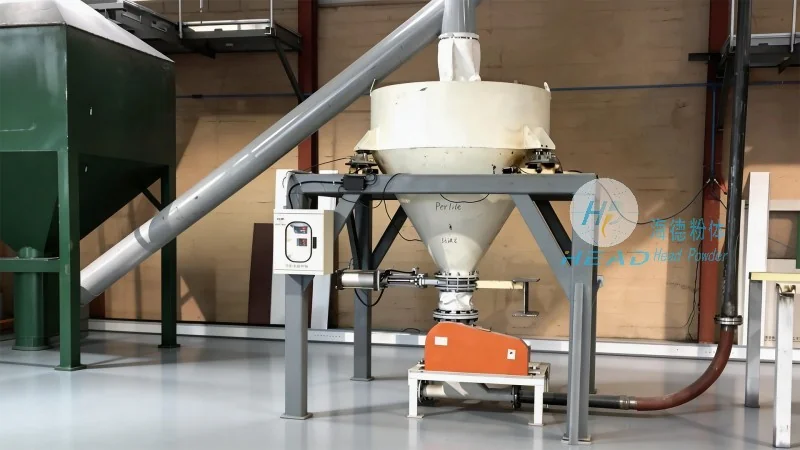
Caustic soda material handling equipment is designed to transport caustic soda from storage tanks or production units to processing areas or storage facilities. These systems are engineered to handle the corrosive and hazardous nature of caustic soda, ensuring minimal risk of leakage, spillage, or exposure to personnel. The equipment typically includes pumps, valves, pipelines, and specialized containers, all constructed from materials resistant to chemical attack, such as stainless steel or specialized alloys.
Key Components of the Material Handling System
The caustic soda material handling system consists of several critical components that work in tandem to ensure smooth and safe operation. The primary components include:
1. Storage Tanks: Large, insulated tanks are used to store caustic soda in bulk. These tanks are equipped with level indicators, temperature sensors, and pressure relief valves to monitor and control the storage conditions.
2. Transfer Pumps: Centrifugal or positive displacement pumps are employed to move caustic soda from storage tanks to the processing lines. These pumps are designed with corrosion-resistant materials and are equipped with seals to prevent leakage.
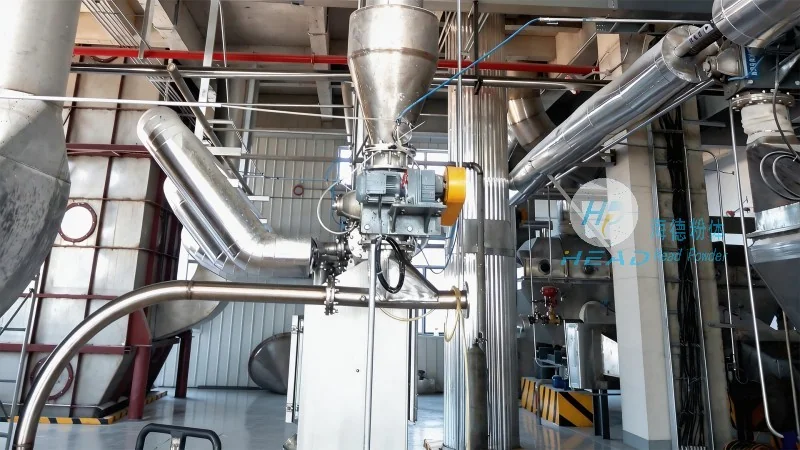
3. Piping and Valves: High-quality, corrosion-resistant pipes and valves are used to direct the flow of caustic soda. The piping system is often insulated to prevent heat loss or gain, and the valves are designed to control the flow rate and direction.
4. Control Systems: Automated control systems are integrated into the material handling process to monitor parameters such as flow rate, pressure, and temperature. These systems ensure that the operation is carried out within safe and optimal conditions.
Operation Process of Caustic Soda Material Handling Equipment
The operation process of caustic soda material handling equipment involves several sequential steps to ensure the safe and efficient transfer of the chemical. The process typically begins with the preparation of the storage tanks, followed by the activation of the transfer pumps and control systems.
Step 1: Preparation and Inspection - Before starting the transfer process, the storage tanks are inspected for any signs of damage or corrosion. The level of caustic soda in the tanks is checked, and the temperature is recorded to ensure it is within the safe operating range.
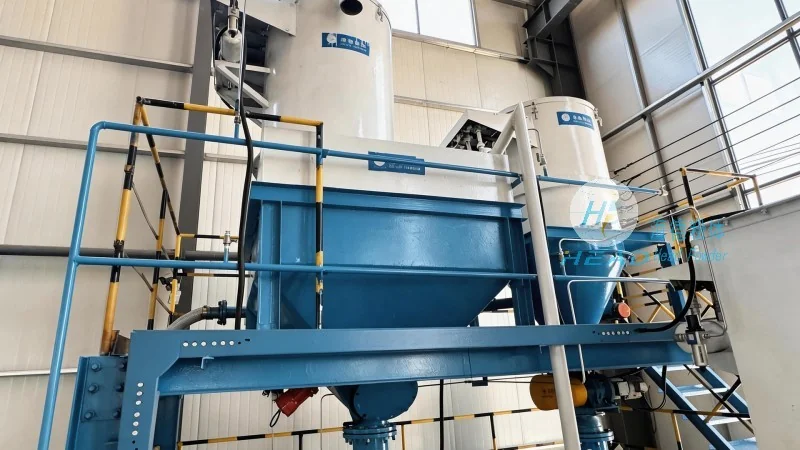
Step 2: Activation of Pumps and Valves - The transfer pumps are started, and the valves are opened to allow the caustic soda to flow from the storage tanks into the processing pipelines. The flow rate is controlled by the control system to prevent excessive pressure buildup.
Step 3: Monitoring and Adjustment - During the transfer, the control system continuously monitors the flow rate, pressure, and temperature. If any parameter deviates from the set points, the system automatically adjusts the pump speed or valve position to maintain stable operation.
Step 4: Completion and Shutdown - Once the required amount of caustic soda has been transferred, the pumps are shut down, and the valves are closed. The system is then inspected for any leaks or abnormalities before being placed in standby mode.
Working Principle of the Material Handling System
The working principle of caustic soda material handling equipment is based on the principles of fluid dynamics and chemical engineering. The system operates by creating a pressure differential between the storage tanks and the processing lines, which drives the flow of caustic soda through the piping system.
The transfer pumps play a crucial role in generating the necessary pressure to move the caustic soda. Centrifugal pumps use the centrifugal force generated by rotating impellers to increase the velocity and pressure of the fluid, while positive displacement pumps use mechanical action to displace the fluid in small increments.
The control systems in the material handling process ensure that the operation is carried out in a controlled manner. These systems use sensors to detect the level of caustic soda in the tanks, the flow rate through the pipelines, and the temperature of the fluid. The data collected by these sensors is processed by the control unit, which then adjusts the pump speed or valve position to maintain the desired operating conditions.
Safety Considerations in Caustic Soda Material Handling
Handling caustic soda requires strict adherence to safety protocols to prevent accidents and ensure the well-being of personnel. The material handling equipment is designed with multiple safety features, including:
1. Corrosion-Resistant Materials: All components in contact with caustic soda are made from materials that are resistant to chemical attack, such as stainless steel or specialized alloys.
2. Leak Detection Systems: Sensors are installed in the piping system to detect any leaks or spills of caustic soda. If a leak is detected, the system automatically shuts down the pumps and alerts personnel.
3. Personal Protective Equipment (PPE): Personnel operating the material handling equipment are required to wear appropriate PPE, including gloves, goggles, and protective clothing, to prevent exposure to caustic soda.
4. Emergency Procedures: The system is equipped with emergency shut-off valves and procedures to quickly stop the flow of caustic soda in case of an emergency.
Applications of Caustic Soda Material Handling Equipment
Caustic soda material handling equipment is used in a wide range of industrial applications where caustic soda is a key component. Some of the common applications include:
1. Chemical Manufacturing: Caustic soda is used in the production of various chemicals, including sodium carbonate, sodium chloride, and other industrial chemicals. The material handling equipment is used to transport caustic soda from storage to the production lines.
2. Water Treatment: Caustic soda is used in water treatment plants to adjust the pH of water and remove impurities. The material handling equipment is used to deliver caustic soda to the treatment facilities.
3. Textile Processing: Caustic soda is used in the textile industry for processes such as desizing and mercerization. The material handling equipment is used to transport caustic soda to the textile processing units.
4. Food Processing: Caustic soda is used in some food processing applications, such as the production of baking soda and other food additives. The material handling equipment is used to transport caustic soda to the food processing facilities.
Conclusion
Caustic soda material handling equipment is a critical component in the industrial processes that rely on caustic soda. The efficient operation of these systems ensures the safe and reliable transfer of caustic soda, which is essential for maintaining production efficiency and ensuring operational safety. The working principle and operation process of these systems are based on sound engineering principles and are designed to meet the stringent safety and performance requirements of modern industrial applications.