

Operation Process and Working Principle of Borax Material Conveying Lines
HeadPowder, a leading engineering company based in Shandong, China, specializes in the design, manufacturing, and installation of efficient borax material conveying systems. These systems are crucial for industries that handle borax, a key chemical compound used in various applications such as glass manufacturing, detergents, and pharmaceuticals. The following content outlines the operation process and working principle of these conveying lines, providing a comprehensive understanding of their functionality and benefits.
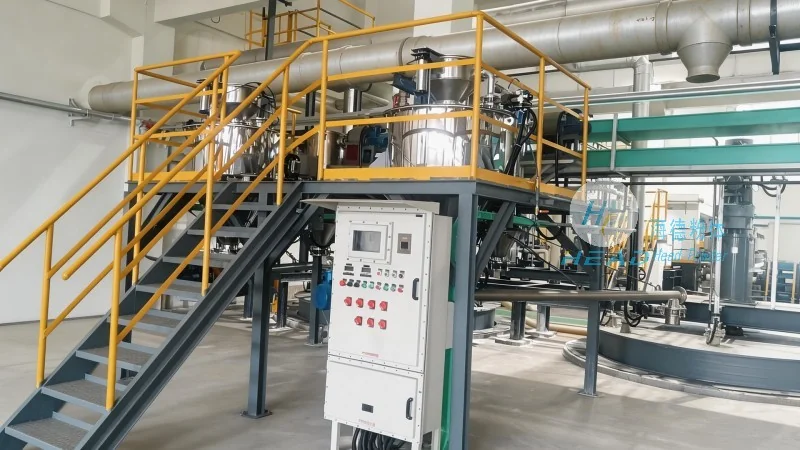
System Overview and Key Components
The borax material conveying line typically consists of several interconnected components designed to transport borax from storage to processing areas. Key components include feed hoppers, conveyor belts or screw conveyors, control panels, and discharge mechanisms. Each component plays a vital role in the overall functionality of the system, ensuring smooth and continuous material flow. The feed hopper is responsible for receiving raw borax, while the conveyor system transports it through the line. Control panels allow operators to monitor and adjust the system's operation, and discharge mechanisms ensure the material is delivered to the next stage of processing.
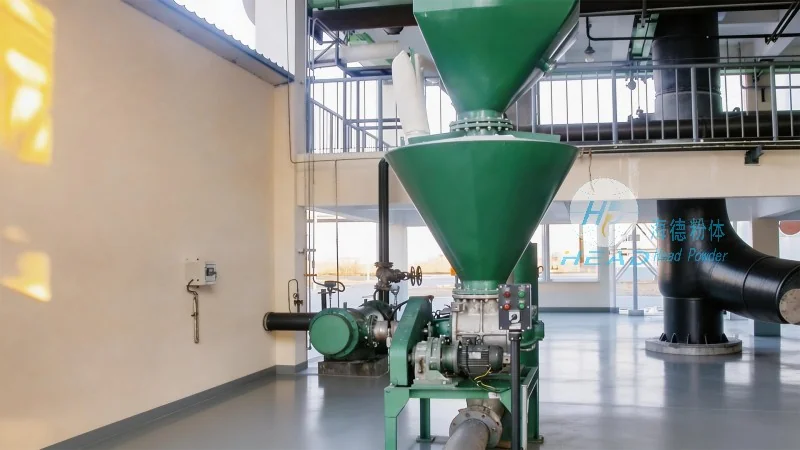
Operation Process: Step-by-Step Breakdown
The operation of a borax material conveying line involves a series of coordinated steps to ensure efficient material handling. The process begins with the loading of borax into the feed hopper. The hopper's design, often equipped with a level indicator, helps operators monitor the material level and prevent overfilling. Once the hopper is filled, the conveyor system, which may be a belt conveyor or a screw conveyor depending on the application, starts operating. The conveyor transports the borax through the line, moving it from the feed hopper to the discharge point. The control panel plays a crucial role here, as it allows operators to start, stop, or adjust the speed of the conveyor. This flexibility ensures that the system can adapt to varying production demands. The discharge mechanism then collects the transported borax and delivers it to the processing equipment, completing the material transfer process.
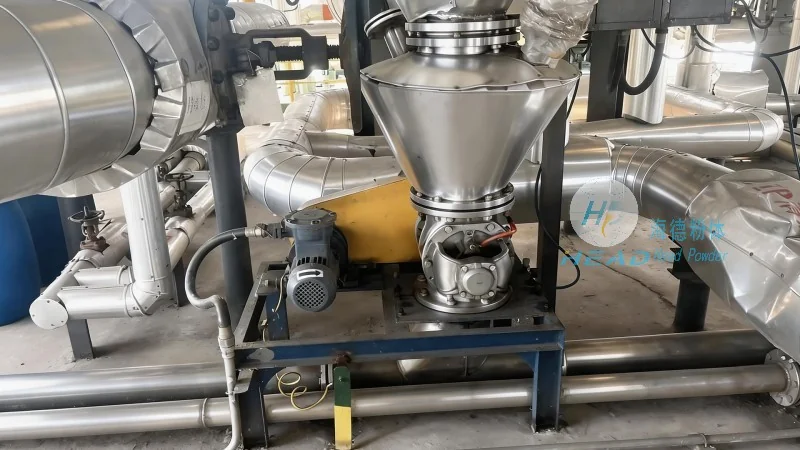
Working Principle: How the System Functions
The working principle of a borax material conveying line is based on mechanical energy to move the material. The feed hopper provides the initial storage and feeding mechanism, while the conveyor system utilizes either friction (in belt conveyors) or screw rotation (in screw conveyors) to move the material. The control panel manages the electrical and mechanical operations, ensuring that the system runs smoothly and safely. The discharge mechanism, such as a chute or a bucket elevator, collects the material from the conveyor and directs it to the next stage. This integrated approach ensures that the entire system operates as a cohesive unit, minimizing downtime and maximizing productivity. The design of the conveying line is tailored to the specific characteristics of borax, such as its particle size, density, and flowability, to ensure optimal performance.
Technical Advantages and Benefits
Borax material conveying lines from HeadPowder offer several technical advantages that enhance operational efficiency and reliability. One key benefit is the ability to handle large volumes of material with minimal labor. The automated control system reduces the need for manual intervention, lowering the risk of human error and improving safety. Additionally, the system's design minimizes material loss and contamination, which is critical for maintaining product quality. The use of durable materials, such as stainless steel or corrosion-resistant alloys, ensures that the conveying line can withstand the chemical properties of borax, extending its service life. The flexibility of the system allows for easy integration with existing industrial processes, making it a cost-effective solution for borax handling.
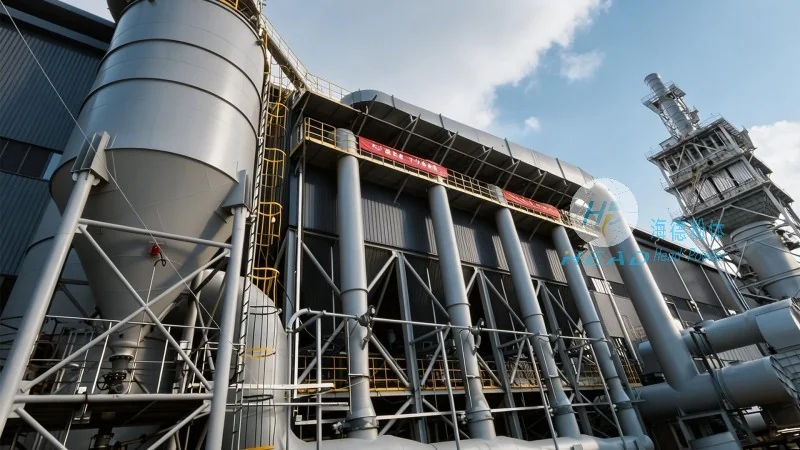
Application in Borax Industries
Borax material conveying lines are widely used in various industries that utilize borax as a raw material. In the glass manufacturing industry, these systems are essential for transporting borax to the melting furnaces, where it is used to adjust the refractive index of glass. In the detergent industry, the conveying lines deliver borax to mixing and packaging facilities, ensuring consistent product quality. The pharmaceutical industry also benefits from these systems, as they help in the precise handling of borax used in drug formulations. The reliability and efficiency of HeadPowder's conveying lines make them a preferred choice for companies operating in these sectors, as they help in maintaining production continuity and meeting quality standards.