

Operation Process and Working Principle of Fully Automatic Material Feeding and Conveying Line
Shandong HeadPowder Engineering Co., Ltd., a leading manufacturer based in Shandong, China, specializes in the design, development, and production of advanced material handling equipment. The company's product line includes fully automatic material feeding and conveying lines, which are engineered to enhance efficiency and precision in various industrial applications. This article provides an in-depth look at the operation process and working principle of such a system, highlighting its key components, functional mechanisms, and practical benefits.
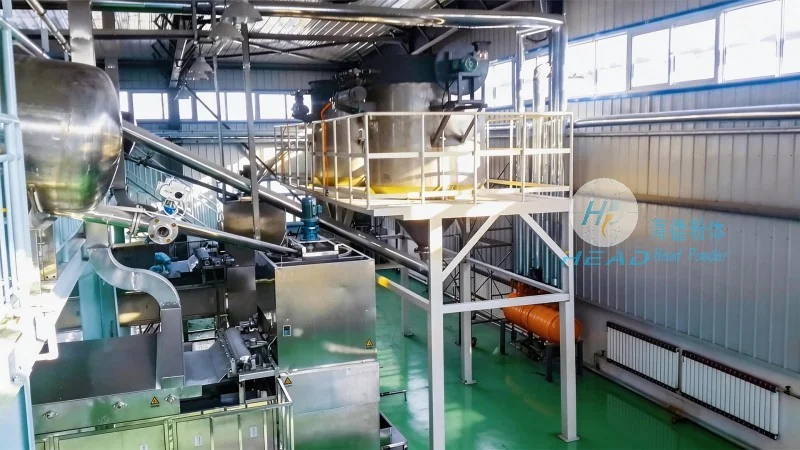
Overview of the Fully Automatic Material Feeding and Conveying Line
The fully automatic material feeding and conveying line is a sophisticated system designed to handle the intake, processing, and transportation of bulk materials in industrial settings. It integrates multiple components, including feeders, conveyors, control systems, and sensors, to ensure seamless and continuous material flow. This equipment is widely used in sectors such as pharmaceuticals, food processing, chemicals, and manufacturing, where consistent and reliable material handling is critical for operational success.
Key Components and Their Functions
The system comprises several essential components, each playing a vital role in the overall operation. The primary components include:
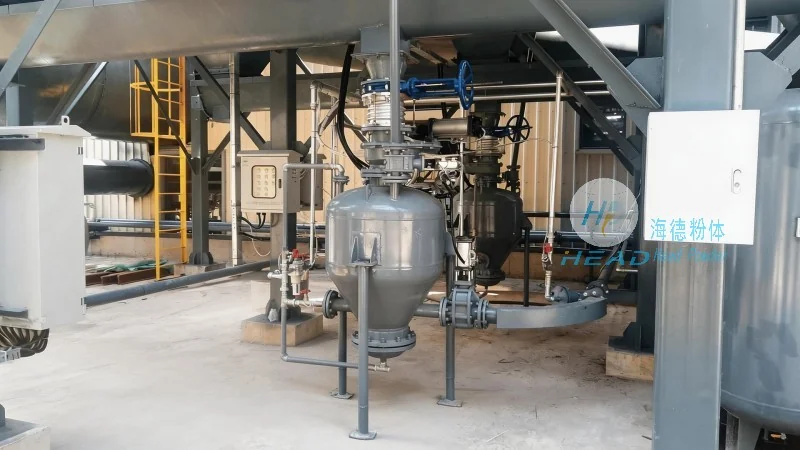
- Material Feeder: This component is responsible for uniformly feeding bulk materials into the system. It can be a screw feeder, vibratory feeder, or other types of feeders, depending on the material characteristics and processing requirements. The feeder ensures a steady and controlled flow of material, preventing blockages and maintaining consistent feed rates.
- Conveyor System: The conveyor, typically a belt or chain conveyor, transports the material from the feeder to the next processing stage. It may include sections for horizontal, inclined, or vertical movement, depending on the layout of the production line. The conveyor is equipped with adjustable speed controls to match the processing speed of downstream equipment.
- Control System: An advanced control system, often based on PLC (Programmable Logic Controller) technology, manages the operation of all components. It monitors sensor inputs, adjusts feeder speeds, and controls conveyor movements to maintain optimal material flow. The control system also includes safety features to prevent accidents and ensure compliance with operational standards.
- Sensors and Detection Devices: Various sensors, such as level sensors, position sensors, and proximity sensors, are integrated into the system to detect material levels, position, and presence. These sensors provide real-time data to the control system, enabling automatic adjustments and preventing issues like overfilling or underfeeding.
- Storage and Buffering Units: Some systems include storage hoppers or buffering tanks to temporarily hold material before it is processed. This helps to smooth out fluctuations in material supply and ensures a consistent feed to downstream equipment, even if the upstream process is temporarily interrupted.
Operation Process of the Fully Automatic Material Feeding and Conveying Line
The operation of the fully automatic material feeding and conveying line follows a systematic sequence of steps, ensuring efficient material handling from start to finish. The process typically begins with the loading of bulk material into the storage hopper or feeder. The control system then activates the feeder, which gradually releases the material into the conveyor system. The conveyor transports the material to the processing or packaging stage, where it is further handled by downstream equipment.
During the operation, the sensors continuously monitor the material levels and positions. If the material level in the feeder drops below a certain threshold, the control system automatically signals the feeder to increase the feed rate. Conversely, if the material level exceeds the maximum limit, the feeder slows down or stops to prevent overflow. The conveyor speed is also adjusted based on the processing requirements of the downstream equipment, ensuring that the material is delivered at the optimal rate.
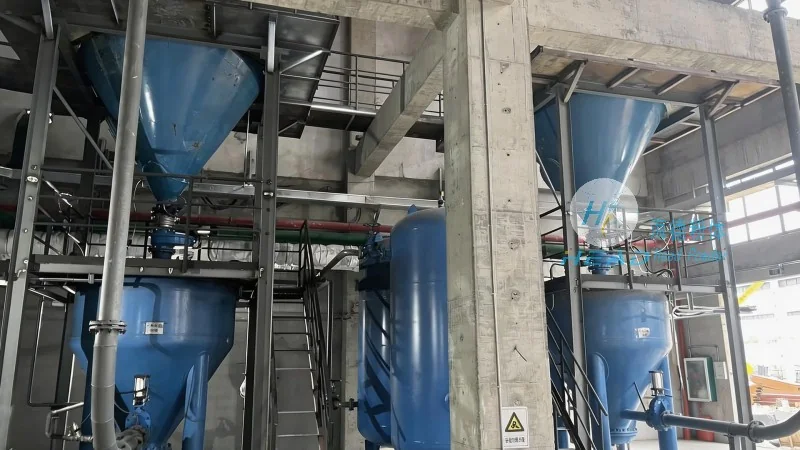
Working Principle of the System
The working principle of the fully automatic material feeding and conveying line is based on the integration of mechanical, electrical, and control technologies. The system operates by converting raw material input into a controlled and continuous flow of processed material. The key principles include:
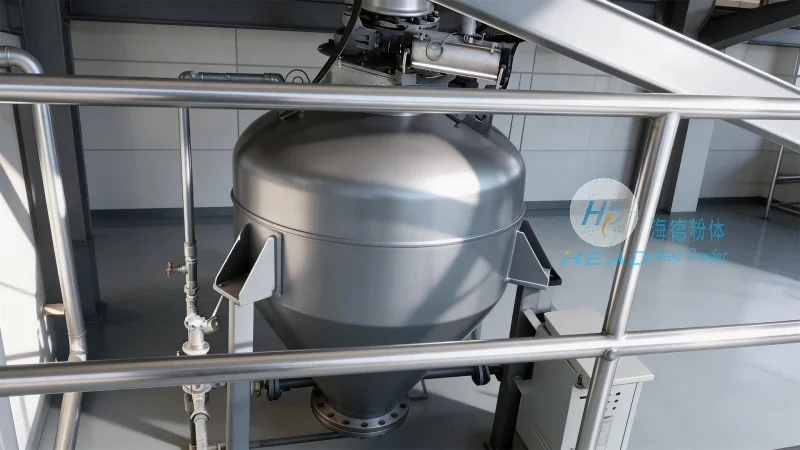
- Material Uniformity: The feeder ensures that the material is fed uniformly, preventing lumps or uneven distribution that could affect downstream processing. This uniformity is crucial for maintaining product quality and consistency.
- Continuous Flow: The conveyor system maintains a continuous flow of material, eliminating the need for manual intervention and reducing downtime. The system can operate 24/7, providing uninterrupted material handling.
- Real-Time Monitoring: The sensors and control system provide real-time feedback, allowing for immediate adjustments to maintain optimal performance. This dynamic control ensures that the system adapts to changes in material characteristics or processing demands.
- Automation and Integration: The entire system is automated, with all components working in harmony under the control of a central system. This integration minimizes human error and maximizes operational efficiency, making the system highly reliable and cost-effective.
Benefits and Applications
The fully automatic material feeding and conveying line offers numerous benefits to industrial operations. These include increased productivity, reduced labor costs, improved material handling accuracy, and enhanced safety. The system is particularly suitable for applications where consistent and reliable material flow is essential, such as in pharmaceutical manufacturing, where precision and hygiene are paramount. In food processing, the system ensures that raw materials are handled hygienically and efficiently, meeting strict quality standards. In chemical and manufacturing industries, the system improves process control and reduces waste, leading to higher overall efficiency.
Conclusion
Shandong HeadPowder Engineering Co., Ltd. provides high-quality fully automatic material feeding and conveying lines that are designed to meet the diverse needs of modern industrial applications. By integrating advanced technology and robust engineering, the company ensures that its products deliver superior performance, reliability, and efficiency. The operation process and working principle of these systems are meticulously designed to optimize material handling, making them an essential component of modern production lines. With a strong commitment to innovation and customer satisfaction, Shandong HeadPowder Engineering Co., Ltd. continues to be a leader in the material handling equipment industry.