

Operation Process and Working Principle of Carbon Additive Powder Material Conveying Line
Carbon additive powder material conveying lines are essential components in industrial settings, particularly in the manufacturing processes that involve the handling and transportation of carbon-based powders. These systems are designed to efficiently move bulk carbon additive powders from storage or processing areas to the points of use, ensuring consistent and reliable material flow. The operation of such lines is critical for maintaining production efficiency and product quality, as any disruptions in the conveying process can lead to bottlenecks or material loss.
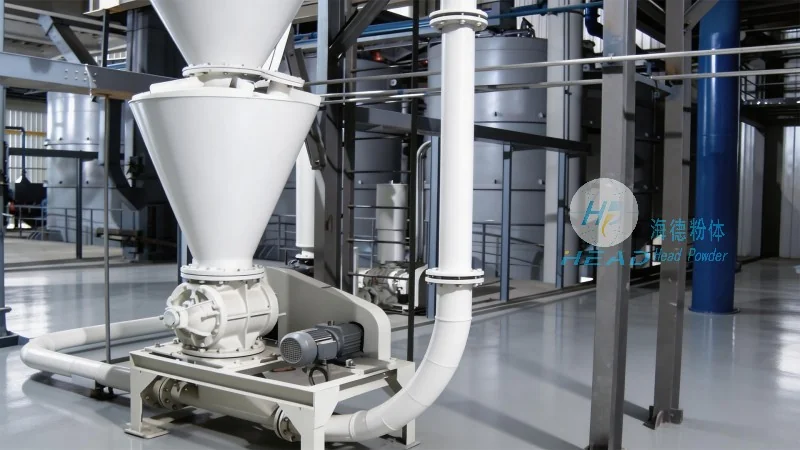
Overview of Carbon Additive Powder Conveying Systems
Carbon additive powder conveying lines typically consist of several key components, including hoppers, feeders, conveyor belts or pipes, control systems, and dust collection units. The system is engineered to handle fine powders like carbon additives, which require specialized equipment to prevent clogging and ensure smooth material transfer. Each component plays a vital role in the overall functionality of the line, working in tandem to achieve optimal performance.
Working Principle of the Conveying Line
The working principle of a carbon additive powder conveying line is based on the principles of material handling and pneumatic or mechanical transport. In many industrial applications, a combination of both methods is used to achieve the best results. The process begins with the material being loaded into a hopper, where it is stored until needed. A feeder then regulates the flow of the powder into the conveying system, ensuring a consistent feed rate. The conveyor mechanism—whether it is a belt conveyor, screw conveyor, or pneumatic pipeline—then transports the powder to the destination. Control systems monitor the entire process, adjusting parameters as needed to maintain optimal operation. Dust collection units are integrated to manage airborne particles, ensuring a safe and clean working environment.
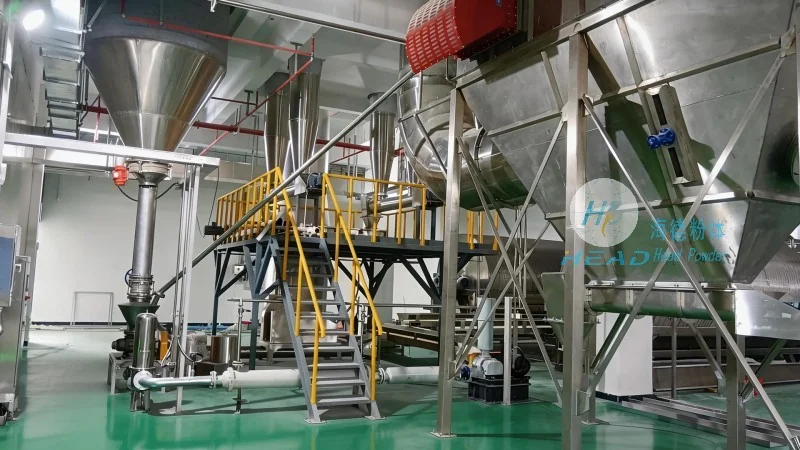
Operation Process Step-by-Step
The operation of a carbon additive powder conveying line follows a systematic process that ensures efficient material movement. First, the material is loaded into the hopper, which is designed to hold a sufficient quantity of powder to support continuous operation. The feeder then activates, controlling the rate at which the powder is released into the conveyor. The conveyor system then transports the powder to the discharge point, where it is collected in a container or directly fed into the next stage of the production process. Throughout this process, sensors and control panels monitor key parameters such as flow rate, pressure, and temperature, allowing for real-time adjustments to maintain performance. The dust collection system continuously captures any airborne particles, preventing contamination and ensuring compliance with safety regulations.
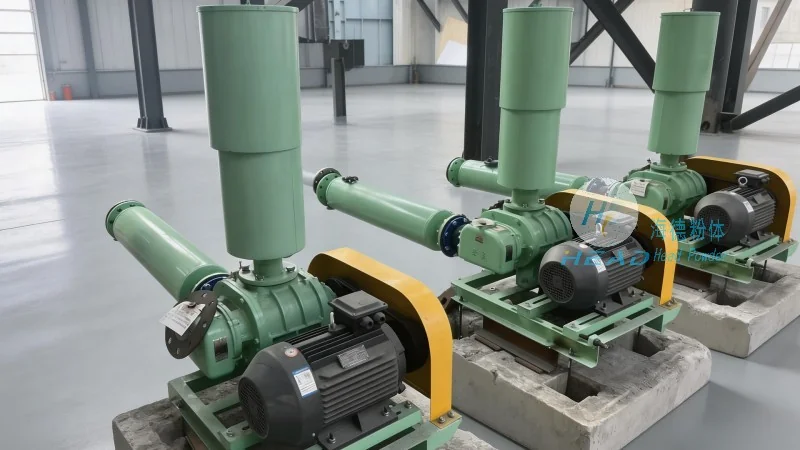
Key Components and Their Functions
Several critical components are integral to the operation of a carbon additive powder conveying line. The hopper serves as the storage vessel, providing a large capacity to accommodate bulk material. It is often equipped with a discharge valve to control the flow of material into the feeder. The feeder, typically a rotary valve or vibratory feeder, regulates the feed rate, preventing overloading or underloading of the conveyor. The conveyor itself—whether it is a belt conveyor with a hopper or a pneumatic pipeline—transports the powder. In pneumatic systems, compressed air is used to move the powder through the pipeline, while mechanical systems rely on belts or screws. The control system manages the entire operation, adjusting speed, pressure, and other parameters as needed. Finally, the dust collection system ensures a clean environment by capturing and filtering airborne particles.
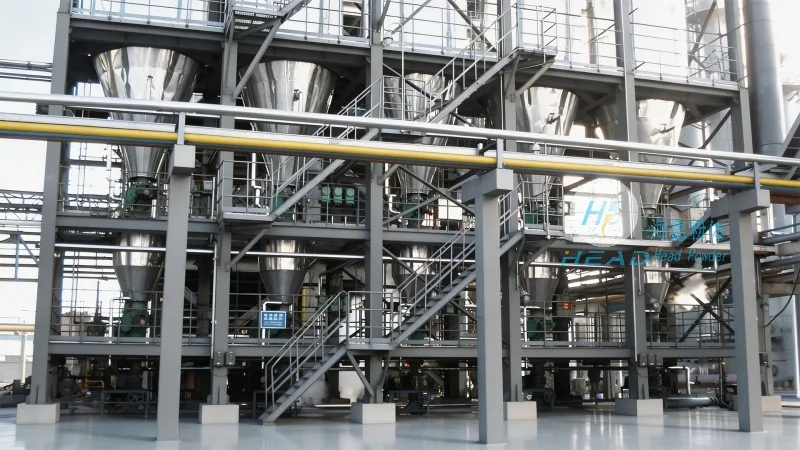
Benefits of Using Carbon Additive Powder Conveying Lines
Implementing a carbon additive powder conveying line offers numerous benefits for industrial operations. Firstly, it enhances efficiency by ensuring a continuous and consistent flow of material, reducing downtime caused by manual handling or material shortages. Secondly, it improves safety by minimizing the need for workers to handle bulk powders, thereby reducing the risk of dust explosions or respiratory issues. Thirdly, it enhances product quality by preventing contamination and ensuring uniform material distribution. Additionally, these systems are designed to be durable and low-maintenance, providing long-term cost savings for businesses. By integrating advanced control systems and dust collection technology, modern conveying lines can adapt to varying production demands, making them a versatile solution for diverse industrial applications.
About Shandong HeadPowder Engineering Co., Ltd.
Shandong HeadPowder Engineering Co., Ltd., commonly known as HeadPowder, is a leading manufacturer specializing in the design, fabrication, and installation of carbon additive powder conveying systems. With a strong focus on quality and innovation, HeadPowder has established itself as a trusted partner for industries requiring reliable material handling solutions. The company's expertise lies in understanding the unique challenges of carbon additive powders and developing customized solutions that meet the specific needs of each client. HeadPowder's products are engineered to meet international standards, ensuring durability, efficiency, and safety. The company's commitment to customer satisfaction and technical excellence has made it a preferred choice for businesses seeking to optimize their material handling processes. HeadPowder's facilities are located in Shandong, China, where the company leverages local resources and expertise to deliver high-quality products and services to clients worldwide.