

Operation Process and Working Principle of Positive Electrode Material Conveying Line
Positive electrode material conveying lines are critical components in the production facilities of lithium-ion battery manufacturers. These systems are designed to efficiently transport raw materials and finished products through various stages of the battery cell manufacturing process. The smooth operation of such lines directly impacts production efficiency, material handling accuracy, and overall product quality. Understanding the operation process and working principles of these systems is essential for optimizing battery production workflows.
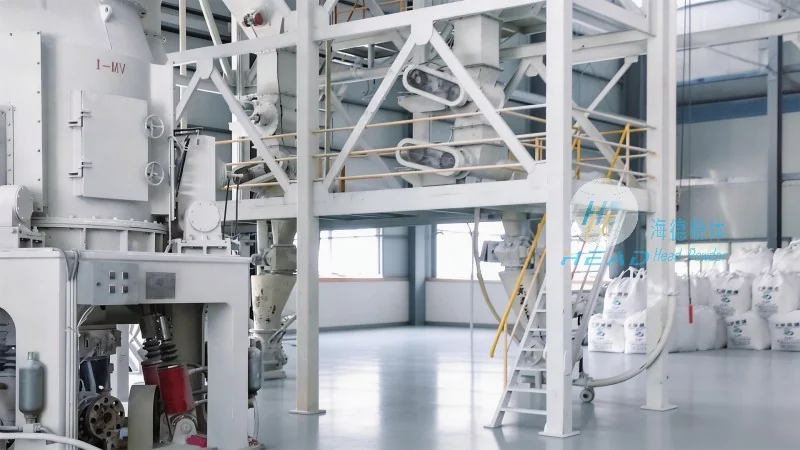
Overview of Positive Electrode Material Conveying Lines
Conveying lines for positive electrode materials typically consist of a series of interconnected equipment, including feeders, conveyors, storage hoppers, and control systems. The primary function is to move materials from raw material storage to the mixing and coating stages, and subsequently to the drying and packaging processes. Each component works in tandem to ensure a continuous and controlled flow of materials, minimizing downtime and maximizing throughput.
Key Components and Their Roles
The operation of a positive electrode material conveying line relies on several key components, each with specific functions to maintain the integrity and quality of the materials being transported. These components include:
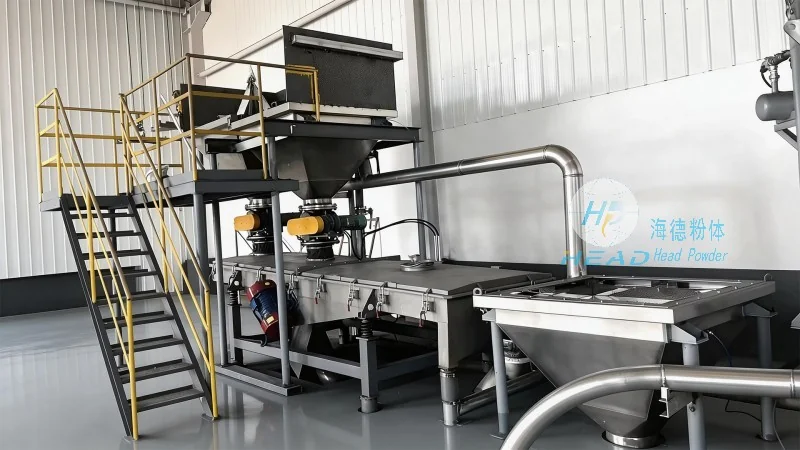
- Feeding Systems: These systems are responsible for accurately metering and feeding raw materials such as active materials, binders, and conductive agents into the conveying line. Precision feeding is crucial to maintain the correct material ratios, which directly affects the performance of the final battery cells.
- Conveyor Systems: Various types of conveyors, such as belt conveyors, screw conveyors, and pneumatic conveyors, are used to transport materials horizontally, vertically, or at different angles. These systems ensure that materials move smoothly and without degradation, preventing issues like material agglomeration or contamination.
- Storage Hoppers: Large storage hoppers are used to temporarily hold raw materials or intermediate products. These hoppers are equipped with level sensors and discharge mechanisms to regulate the flow of materials into the next stage of the process. Proper storage helps maintain material quality and prevents overloading of downstream equipment.
- Control Systems: Advanced control systems, often integrated with sensors and automation software, monitor the entire conveying process. These systems provide real-time data on material flow rates, equipment status, and potential issues, allowing for immediate adjustments to maintain optimal performance.
Operation Process Flow
The operation process of a positive electrode material conveying line follows a systematic sequence, starting from raw material input to final product output. The typical workflow includes the following steps:
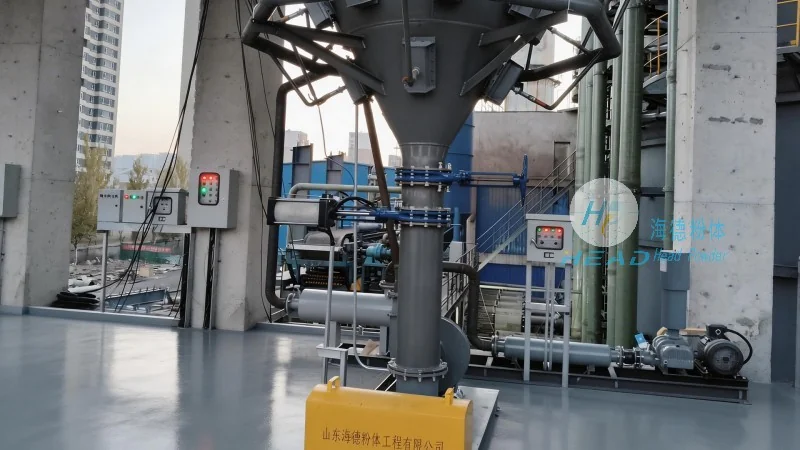
- Raw Material Preparation: Raw materials, including active materials, binders, and conductive agents, are prepared and stored in designated areas. This step involves quality checks to ensure that materials meet the required specifications.
- Material Feeding: The prepared materials are fed into the conveying line using feeding systems. The feeding rate is controlled based on the production schedule and the required material ratios for the battery cells being manufactured.
- Transportation: The materials are transported through the conveyor systems to the mixing and coating stations. The conveyors ensure that materials move at a consistent speed, minimizing variations that could affect the final product.
- Storage and Intermediate Processing: If necessary, materials may be stored in hoppers before being transferred to the next processing stage. This step allows for buffer storage and helps maintain a steady flow of materials to downstream equipment.
- Coating and Mixing: The materials are then mixed and coated to form the positive electrode slurry. The conveying line delivers the slurry to the coating machines, where it is applied to current collectors.
- Drying and Packaging: After coating, the electrode sheets are dried and packaged. The conveying line transports the dried sheets to the packaging area, where they are prepared for shipment or further processing.
Working Principles of the Conveying System
The working principles of a positive electrode material conveying line are based on mechanical and pneumatic systems that ensure efficient material handling. The core principles include:
- Continuous Flow: The system is designed to operate continuously, with minimal interruptions. This is achieved through automated feeding and conveyor systems that maintain a steady flow of materials.
- Material Separation and Prevention of Contamination: The design of the conveying line prevents cross-contamination between different materials. This is critical in battery manufacturing, where even small amounts of impurities can significantly impact battery performance and safety.
- Energy Efficiency: Modern conveying systems are optimized for energy efficiency, using low-power motors and efficient conveyor designs to reduce operational costs and environmental impact.
- Safety and Reliability: The system incorporates safety features such as emergency stop buttons, material overload protection, and regular maintenance schedules to ensure reliable operation and protect personnel.
About Shandong HeadPowder Engineering Co., Ltd.
Shandong HeadPowder Engineering Co., Ltd., commonly known as HeadPowder, is a leading manufacturer of specialized equipment for the battery industry. With a focus on innovation and quality, HeadPowder provides comprehensive solutions for material handling and processing in lithium-ion battery production. The company’s expertise in designing and manufacturing positive electrode material conveying lines has helped numerous clients improve their production efficiency and product quality. HeadPowder’s facilities are located in Shandong, China, where the company leverages advanced technology and skilled workforce to deliver high-performance equipment tailored to the specific needs of the battery manufacturing sector.