

Operation Process and Working Principle of Coal Powder Material Handling System Equipment
The operation process and working principle of coal powder material handling systems are crucial for ensuring efficient and reliable transportation of coal powder in industrial settings. As a leading provider in the field, Shandong HeadPowder Engineering Co., Ltd. specializes in designing and manufacturing advanced equipment tailored to meet the diverse needs of coal processing and power generation industries. This article delves into the detailed operation process and working principle of coal powder material handling systems, highlighting the key components and mechanisms that enable smooth and safe material transport.
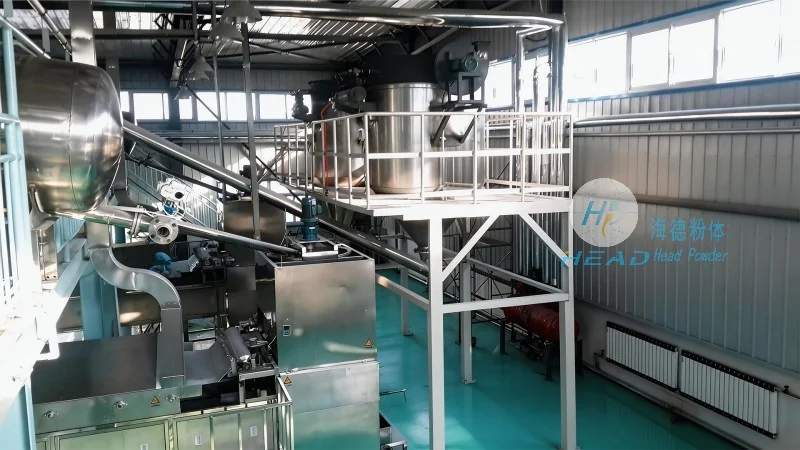
Introduction to Coal Powder Material Handling Systems
Coal powder material handling systems are essential in industries such as power generation, cement production, and chemical processing, where large quantities of coal powder need to be transported from storage to processing units. These systems are designed to handle the unique challenges of coal powder, including its fine particle size, low bulk density, and potential for dust generation. The efficient operation of these systems directly impacts the productivity and safety of industrial operations, making it imperative to understand their operation process and working principle.
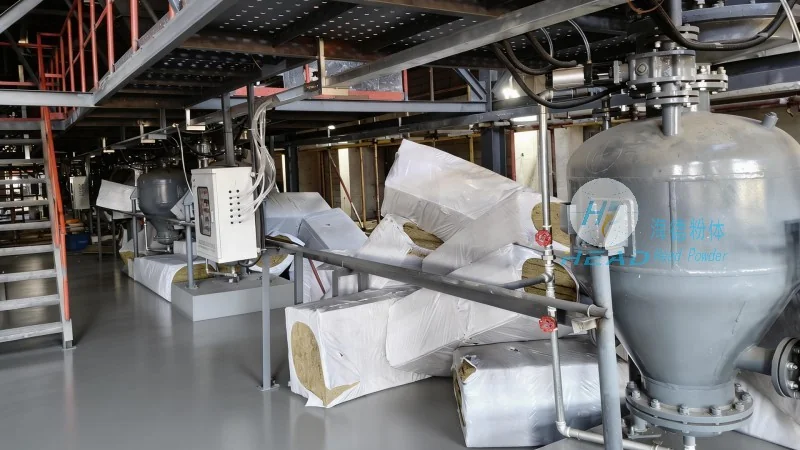
Operation Process of the System
The operation process of a coal powder material handling system typically involves several sequential steps. First, coal powder is fed into the system from storage silos or hoppers. Feeders, such as rotary or vibratory feeders, regulate the flow rate of the coal powder, ensuring a consistent and controlled supply to the conveyor. The coal powder is then transported through a series of conveyors, which may include belt conveyors, screw conveyors, or pneumatic pipelines. The conveyors move the coal powder from the feeding point to the processing or power generation units. Dust collectors are integrated into the system to capture and filter airborne particles, maintaining a clean and safe working environment. The control system monitors and adjusts the operation parameters in real-time, ensuring optimal performance and preventing potential issues such as blockages or overloading.
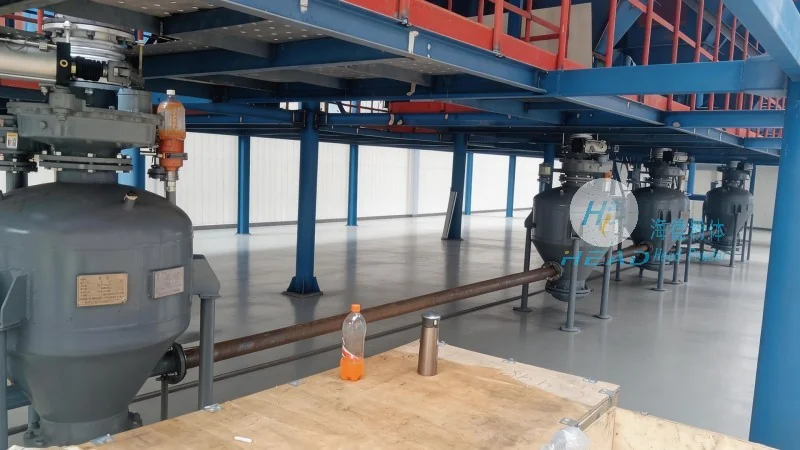
Working Principle of the Equipment
The working principle of coal powder material handling systems is based on mechanical and pneumatic mechanisms that work in tandem to transport the coal powder. Mechanical components, such as screw conveyors, utilize a rotating screw to push the coal powder forward along the conveyor path. The screw's rotation creates a pressure gradient that moves the material, while the design of the screw ensures minimal friction and wear. Belt conveyors, on the other hand, rely on a moving belt that transports the coal powder through rollers, which support the belt and guide its movement. Pneumatic systems may be employed for short-distance transport, where compressed air is used to move the coal powder through pipes. The air pressure creates a flow of the material, allowing for efficient and flexible transport. The integration of these mechanisms allows for continuous and reliable material transport, minimizing downtime and maximizing productivity.
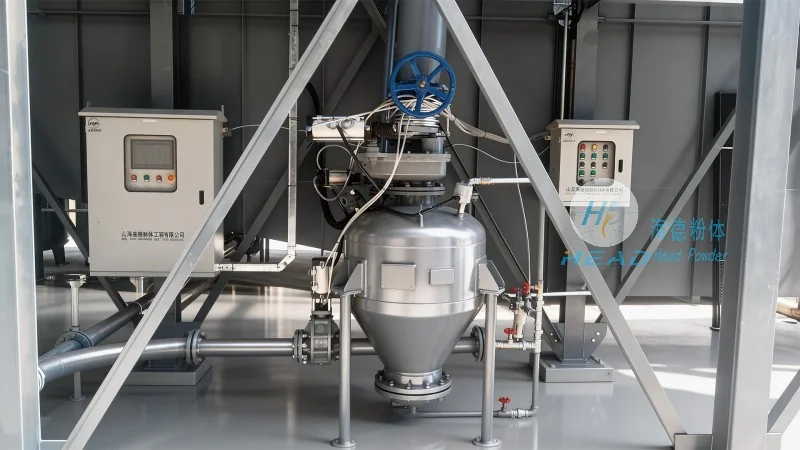
Technical Advantages and Application Scenarios
Shandong HeadPowder Engineering Co., Ltd. offers advanced coal powder material handling systems that combine efficiency, reliability, and durability. The systems are engineered to handle high volumes of coal powder while maintaining low energy consumption and minimal maintenance requirements. The use of high-quality materials, such as stainless steel and wear-resistant alloys, ensures long service life and consistent performance. These systems are widely used in coal-fired power plants, cement factories, and other industrial facilities where coal powder needs to be transported efficiently from storage to processing units. The adaptability of the systems allows them to be customized to meet specific customer requirements, ensuring optimal integration into existing industrial setups. By understanding the operation process and working principle of these systems, industrial operators can optimize their coal powder handling operations, leading to improved productivity and reduced operational costs.