

Operation Process and Working Principle of Latex Powder Material Handling System Equipment
Latex powder material handling systems are critical components in industrial production, designed to efficiently transport and manage latex powder from storage to processing areas. The operation process and working principle of such systems involve several key stages, each contributing to the smooth and safe handling of this material. This article will delve into the detailed operation process and working principles of latex powder material handling equipment, highlighting the technological advancements and operational strategies employed by Shandong HeadPowder Engineering Co., Ltd. to ensure optimal performance.
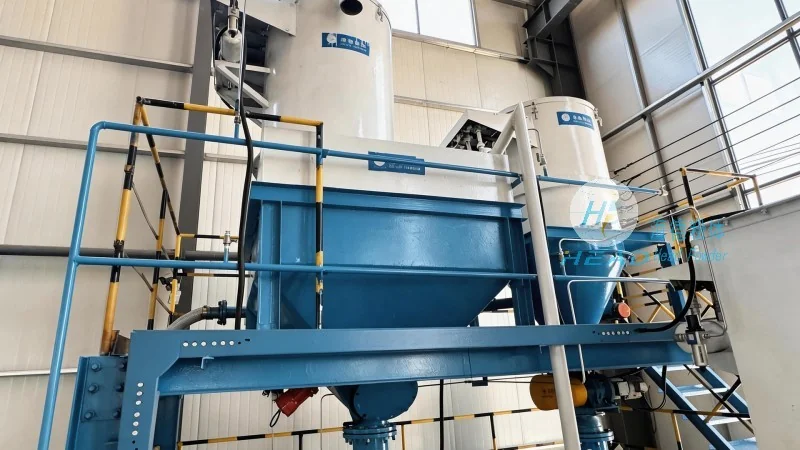
System Overview and Core Components
Before discussing the operation process, it is essential to understand the basic structure of a latex powder material handling system. Typically, these systems consist of several interconnected components, including hoppers, conveyors, dust collectors, and control panels. The hoppers are used to store the latex powder, providing a consistent feed to the conveyor system. The conveyors, often in the form of screw conveyors or pneumatic systems, transport the powder through the system. Dust collectors are integrated to capture and filter airborne particles, ensuring compliance with environmental regulations and maintaining a safe working environment. The control panels allow operators to monitor and adjust the system's parameters, such as speed and pressure, to optimize performance.
Operation Process: Step-by-Step Analysis
The operation process of a latex powder material handling system can be broken down into several sequential steps. The first step involves the loading of latex powder into the hopper. This is typically done manually or through automated feeding mechanisms, depending on the system's design and the scale of production. Once the hopper is filled, the system initiates the conveyor operation. The conveyor then transports the powder from the hopper to the processing area or storage location. During this transport, the system may incorporate features like agitators or vibrators to prevent material bridging or caking, which are common issues with fine powders like latex. The next stage involves the transfer of powder to the next processing unit or packaging equipment. This may involve additional conveyors or pneumatic transfer systems, depending on the specific application. Finally, the system's control panel provides real-time feedback on the material flow, allowing operators to adjust settings as needed to maintain consistent performance.
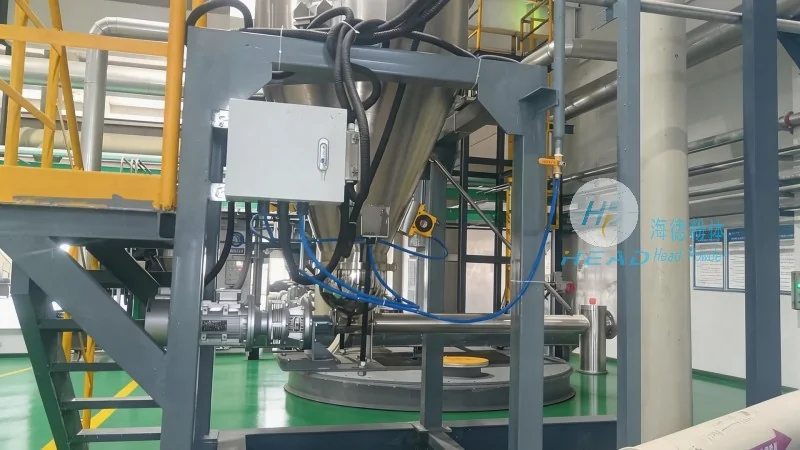
Working Principle: Mechanical and Pneumatic Systems
The working principle of latex powder material handling systems can be categorized into mechanical and pneumatic systems, each with distinct advantages and applications. Mechanical systems, such as screw conveyors and belt conveyors, rely on mechanical power to move the material. Screw conveyors use a rotating screw to push the powder forward, while belt conveyors use a moving belt to transport the material. These systems are generally more cost-effective and suitable for handling bulk quantities of powder. Pneumatic systems, on the other hand, use compressed air to transport the powder through pipes. This method is particularly effective for fine powders that are prone to dust and caking, as the air flow helps to keep the material suspended and prevents blockages. The working principle of pneumatic systems involves the creation of a pressure differential between the inlet and outlet of the system, which propels the powder through the pipes. Both mechanical and pneumatic systems are designed to handle the unique properties of latex powder, such as its fine particle size and potential for static electricity, to ensure efficient and safe operation.
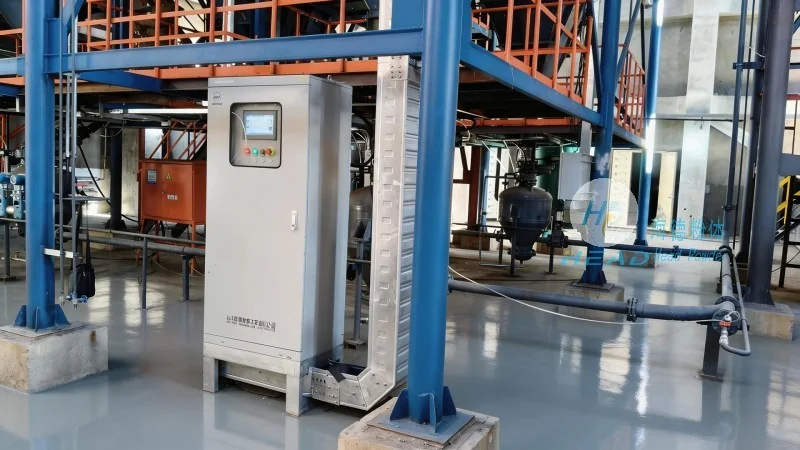
Key Operational Considerations and Safety Measures
When operating latex powder material handling systems, several key considerations and safety measures must be followed to ensure optimal performance and worker safety. First, regular maintenance is crucial to prevent system failures and ensure consistent performance. This includes checking the condition of conveyor belts, cleaning the dust collectors, and inspecting the control panels for any signs of wear or damage. Second, proper ventilation is essential to prevent the accumulation of dust and airborne particles, which can pose health risks to workers. The dust collectors in the system are designed to capture and filter these particles, but regular maintenance of these components is necessary to maintain their efficiency. Third, the system should be equipped with safety features, such as emergency stop buttons and overload protection, to prevent accidents and injuries. These features are particularly important when handling fine powders, as they can create a dust explosion hazard if not properly managed. By following these operational considerations and safety measures, Shandong HeadPowder Engineering Co., Ltd. ensures that their latex powder material handling systems operate efficiently and safely.
Application Examples and Industry Impact
Latex powder material handling systems are widely used in various industries, including the rubber industry, where latex is a key raw material for manufacturing products like tires, gloves, and adhesives. In these applications, the system is used to transport latex powder from storage to the mixing and processing stages. The efficiency of the material handling system directly impacts the overall production process, as delays or inefficiencies can lead to increased costs and reduced productivity. Shandong HeadPowder Engineering Co., Ltd. has developed specialized systems tailored to the needs of the rubber industry, incorporating features like high-capacity conveyors and advanced dust control systems to meet the demands of modern production. The company's commitment to quality and innovation has made their systems a preferred choice for many manufacturers in the industry.