

Operation Process and Working Principle of Lithium Oxalate Material Handling System Equipment
HeadPowder, a leading enterprise in the field of material handling technology, specializes in the design, manufacturing, and integration of advanced systems for lithium oxalate material transport. Based in Shandong, China, the company leverages its expertise to deliver reliable and efficient solutions tailored to the unique demands of the lithium battery industry. This article delves into the operational workflow and underlying principles of the lithium oxalate material handling system, highlighting key components, control mechanisms, and the systematic approach to ensuring seamless material movement from storage to processing stages.
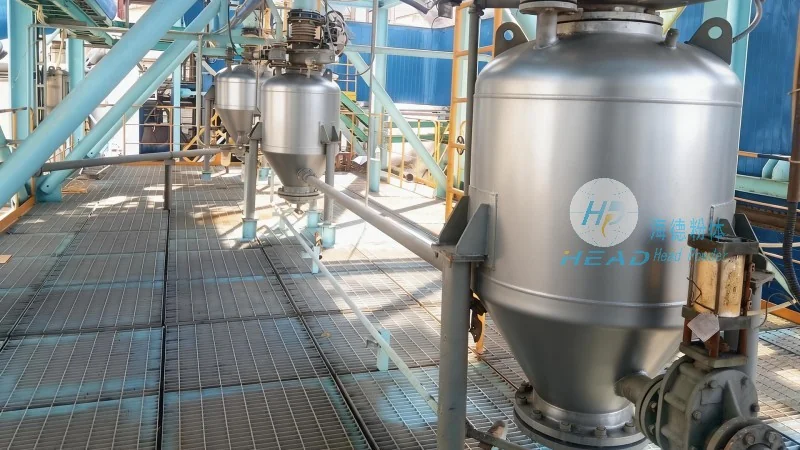
System Overview and Core Components
The lithium oxalate material handling system is engineered as a comprehensive solution that integrates multiple functional modules to achieve optimal material flow. At its core, the system comprises several critical components, each playing a pivotal role in the overall operation. These include bulk material storage silos, conveying equipment such as belt conveyors or screw conveyors, material feeding mechanisms, and automated control systems. The storage silos are designed to accommodate large volumes of lithium oxalate, ensuring stable supply for continuous production. The conveying equipment is selected based on the material's characteristics—such as bulk density, flowability, and potential for dust generation—to minimize degradation and ensure safe transport. Material feeding units, often equipped with adjustable speed drives and flow control valves, regulate the discharge rate from the silos, preventing overloading or underfeeding of downstream processes. The automated control system, typically based on programmable logic controllers (PLCs) or distributed control systems (DCS), coordinates the operation of all components, ensuring synchronization and adherence to pre-set parameters.
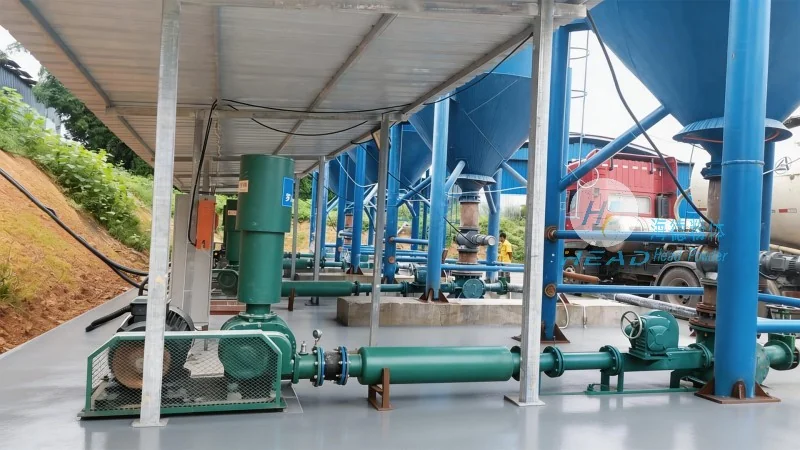
Working Principle: Step-by-Step Operational Flow
The operation of the lithium oxalate material handling system follows a structured sequence of steps, each designed to maximize efficiency and safety. The process begins with material storage in the silos, where raw lithium oxalate is stored under controlled conditions to maintain its quality. Once the system is activated, the control panel initiates the first stage: material transfer from the silo to the conveying line. This is achieved through the operation of the feeding mechanism, which opens the silo outlet and starts the conveyor. The material then travels along the conveyor, moving from the storage area to the processing or packaging zone. During transit, the conveyor may incorporate features such as vibration or air-assisted feeding to enhance flow, especially for materials with poor flowability. At the receiving end of the conveyor, the material is discharged into a hopper or feeder, which then directs it to the next stage of the production line. The control system continuously monitors key parameters, including flow rate, pressure, and temperature, to detect any deviations and trigger corrective actions. For example, if the flow rate drops below the set threshold, the system may increase the feeding speed or adjust the silo pressure to maintain consistent material supply. This closed-loop control ensures that the system operates within optimal parameters, minimizing downtime and maximizing throughput.
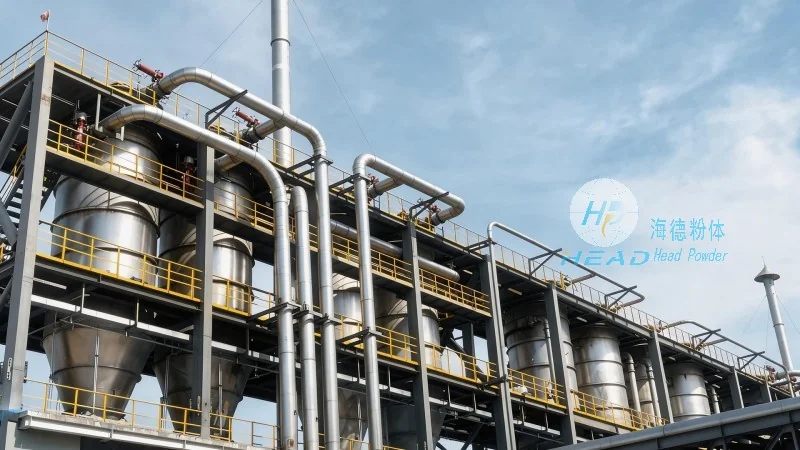
Key Control Mechanisms and Safety Features
Effective operation of the lithium oxalate material handling system relies on robust control mechanisms and comprehensive safety features. The automated control system employs sensors and transmitters to gather real-time data from various points in the process. These sensors monitor parameters such as material level in the silos, conveyor speed, and pressure in the conveying line. The data is processed by the PLC or DCS, which then generates control signals to adjust the operation of the feeding and conveying equipment. For instance, if the material level in the silo drops below a certain threshold, the system automatically signals the material handling team to refill the silo, preventing production interruptions. Safety features are integrated throughout the system to protect operators and equipment from potential hazards. These include emergency stop buttons, interlocks that prevent the conveyor from operating when the hopper is open, and dust suppression systems to mitigate the risk of dust explosions. The system also includes alarms and indicators that alert operators to abnormal conditions, such as high temperature or excessive pressure, allowing for immediate intervention. Additionally, regular maintenance schedules are programmed into the control system to ensure that all components are serviced at appropriate intervals, reducing the risk of equipment failure and extending the system's lifespan.
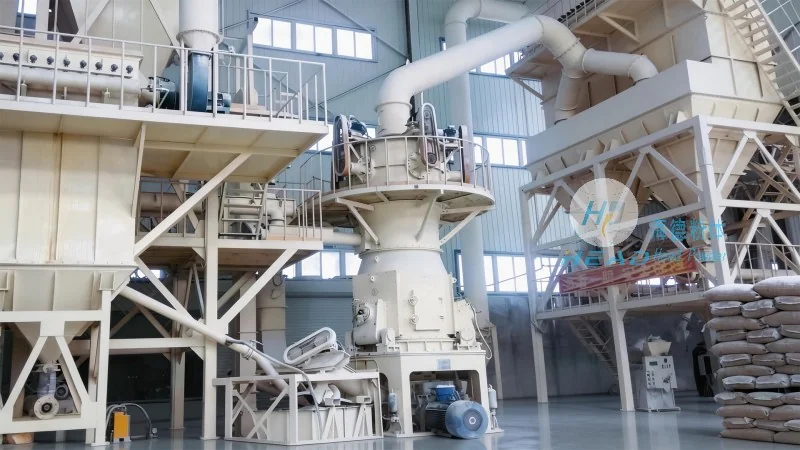
Advantages and Applications in the Lithium Battery Industry
The lithium oxalate material handling system offers several advantages that make it an ideal solution for the lithium battery manufacturing sector. Its design prioritizes efficiency, reliability, and safety, which are critical for high-volume production environments. The system's ability to handle large volumes of material with minimal human intervention reduces labor costs and improves operational consistency. The closed-loop control system ensures that material flow is consistent, which is essential for maintaining product quality and preventing defects in downstream processes. Additionally, the system's modular design allows for easy integration with existing production lines, making it a flexible solution for manufacturers looking to upgrade or expand their operations. The lithium oxalate material handling system is widely used in the production of lithium iron phosphate (LFP) batteries, where lithium oxalate is a key raw material. The system's ability to handle the material's specific characteristics, such as its low flowability and potential for dust generation, ensures that the material is transported safely and efficiently. In addition to LFP batteries, the system can also be adapted for use in other lithium battery chemistries, such as lithium nickel manganese cobalt oxide (NMC) and lithium cobalt oxide (LCO), where similar material handling requirements exist.