

Operation Process and Working Principle of Buckwheat Hull Powder Pneumatic Conveying System
HeadPowder, a leading provider in the field, specializes in advanced pneumatic conveying solutions for handling fine powders such as buckwheat hulls. This system is designed to efficiently transport bulk materials through an air-driven process, ensuring minimal product degradation and optimal operational performance.
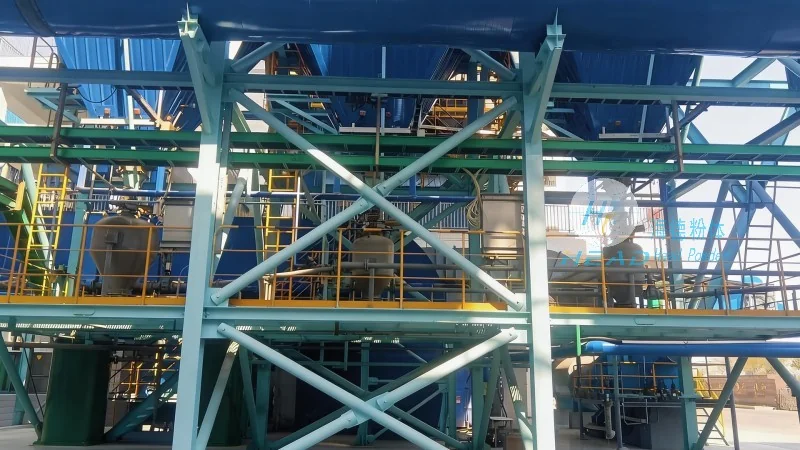
About HeadPowder Engineering Co., Ltd.
HeadPowder is a professional enterprise based in Shandong, China, dedicated to the research, development, and manufacturing of high-quality pneumatic conveying equipment. With years of experience in the industry, the company has established itself as a reliable partner for clients seeking efficient and reliable powder handling solutions.
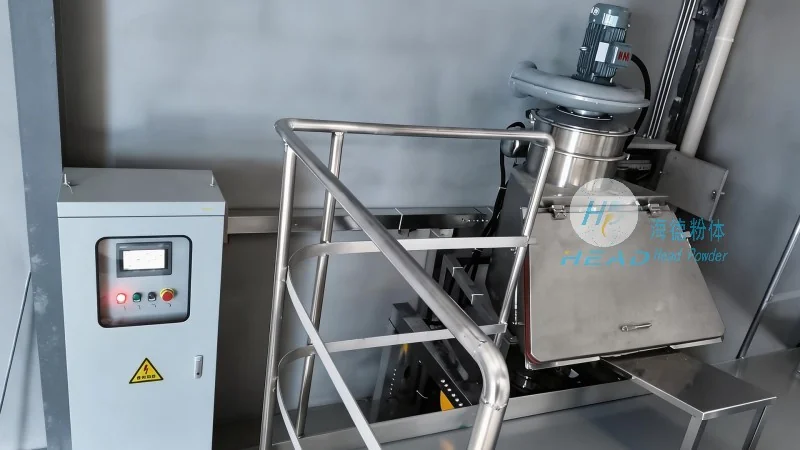
Operation Process of the Pneumatic Conveying System
The operation of the buckwheat hull powder pneumatic conveying system involves several key steps. First, the buckwheat hull powder is fed into the hopper, where it is stored and prepared for transport. The system then uses a blower or compressor to generate a high-pressure air stream, which is directed into the conveying line. As the air flows through the pipeline, it carries the powder particles along, moving them from the source to the destination. The system is equipped with control valves and sensors to regulate the flow rate and pressure, ensuring smooth and consistent operation. At the receiving end, the powder is deposited into a storage tank or processing unit, completing the transport cycle.
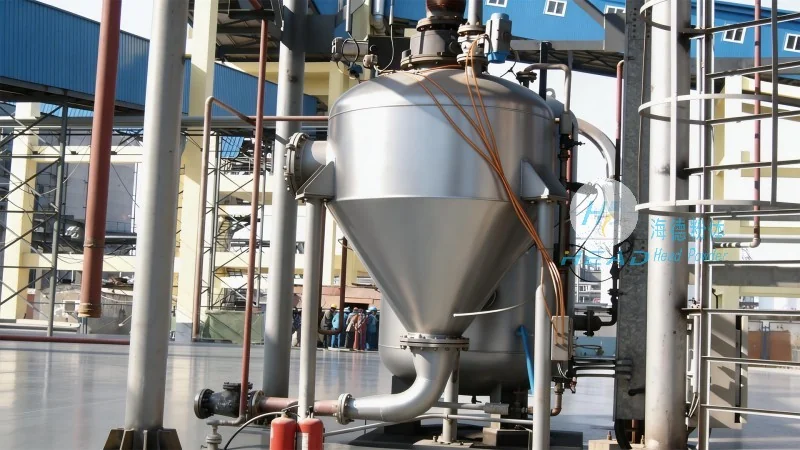
Working Principle of the Pneumatic Conveying System
The working principle of this system is based on the principle of pneumatic transport, where air is used as the medium to move solid particles. The system operates by creating a pressure differential between the source and destination. The blower generates a high-pressure air flow, which entrains the powder particles and propels them through the pipeline. The design of the system, including the use of appropriate pipe diameters, bends, and filters, minimizes pressure losses and ensures efficient transport. The system also incorporates features such as airlocks and cyclones to separate the powder from the air stream at the receiving end, allowing for clean and dry material handling.