

Operation Process and Working Principle of Desulfurization Gypsum Powder Pneumatic Conveying Machine
Desulfurization gypsum, a byproduct of flue gas desulfurization in power plants, is a valuable material widely used in construction, agriculture, and other industries. The efficient handling and transportation of this fine powder are crucial for maximizing its utilization and ensuring operational efficiency. Pneumatic conveying systems, particularly those designed for gypsum powder, offer a reliable solution to meet these demands. This article explores the operation process and working principle of a desulfurization gypsum powder pneumatic conveying machine, highlighting its key components, operational procedures, and the underlying technology that enables smooth material transport.
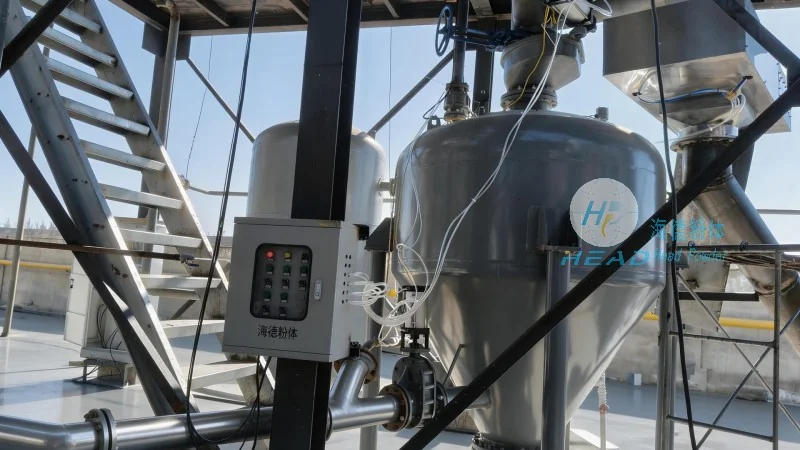
Key Components of the Pneumatic Conveying Machine
The desulfurization gypsum powder pneumatic conveying machine consists of several essential components that work in tandem to achieve effective material transport. The primary components include a hopper for material storage, a feeder to control the flow rate, a conveying pipeline system, a blower or air compressor to generate the necessary air pressure, and a receiver for collecting the conveyed material. Each component plays a critical role in the overall system performance. The hopper ensures a consistent supply of gypsum powder, while the feeder regulates the feed rate to maintain stable conveying conditions. The conveying pipeline, typically made of stainless steel or other corrosion-resistant materials, is designed to handle the fine, dusty nature of gypsum powder. The blower or air compressor provides the motive force, creating a pressure differential that propels the powder particles through the pipeline. The receiver collects the material at the destination, completing the transport cycle.
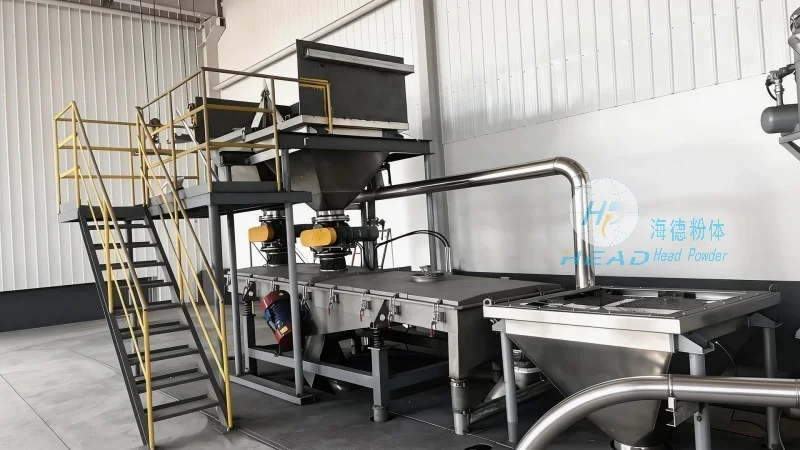
Working Principle of the Pneumatic Conveying Process
The operation of the desulfurization gypsum powder pneumatic conveying machine is based on the principle of pneumatic transport, where material is conveyed through a pipeline using a stream of air. The process begins with the gypsum powder being fed from the hopper into the conveying pipeline. The feeder controls the feed rate, ensuring a steady flow of material. Simultaneously, the blower generates a high-pressure air stream that moves through the pipeline. As the air flows, it entrains the gypsum powder particles, forming a slurry-like mixture known as a "conveying stream." This stream travels through the pipeline to the receiver, where the air and powder are separated. The air is typically filtered and discharged, while the gypsum powder is collected in the receiver. The separation process is crucial to prevent dust accumulation and maintain system efficiency. The working principle relies on the balance between air velocity and particle size, ensuring that the powder is carried without excessive pressure loss or particle degradation.
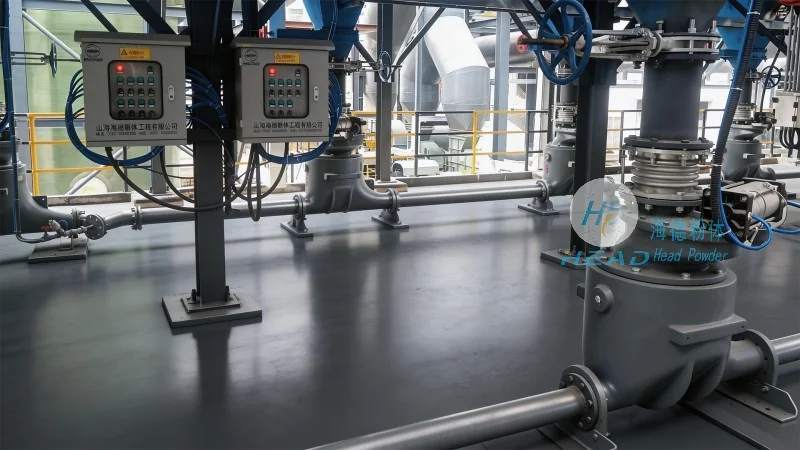
Operation Process: Step-by-Step Guide
The operation of the desulfurization gypsum powder pneumatic conveying machine follows a systematic process to ensure safe and efficient material transport. The steps involved are as follows: First, the system is prepared by checking all components for proper operation, including the hopper, feeder, blower, and receiver. The hopper is filled with desulfurization gypsum powder, and the feeder is adjusted to the desired feed rate. Next, the blower is started, and the air flow is monitored to ensure it reaches the required pressure. As the air flows, the gypsum powder is fed into the pipeline, and the conveying process begins. The material is transported from the source to the destination, with the receiver collecting the powder at the end of the pipeline. The system continues to operate until the hopper is empty or the feed rate is adjusted. Finally, the system is shut down by stopping the blower and allowing the air pressure to dissipate. Proper maintenance and monitoring are essential to ensure the system operates efficiently and reliably over time.
Advantages of Using Pneumatic Conveying for Gypsum Powder
Compared to traditional conveying methods such as belt conveyors or bucket elevators, pneumatic conveying offers several advantages for handling desulfurization gypsum powder. One of the key benefits is the ability to transport the material in a closed system, which minimizes dust emissions and improves environmental safety. This is particularly important for gypsum powder, which can be a source of airborne particles that may affect air quality and worker health. Additionally, pneumatic conveying systems are flexible and can be easily adapted to different layouts and distances, making them suitable for various industrial applications. The system can handle both short and long conveying distances, and the pipeline can be configured to follow the existing plant layout. Another advantage is the reduced risk of material degradation, as the conveying process is gentle and does not involve mechanical contact with the powder. This helps maintain the quality of the gypsum powder, which is critical for its end-use applications. Furthermore, pneumatic conveying systems are relatively compact and can be installed in limited spaces, making them ideal for power plants and other industrial facilities where space is at a premium.
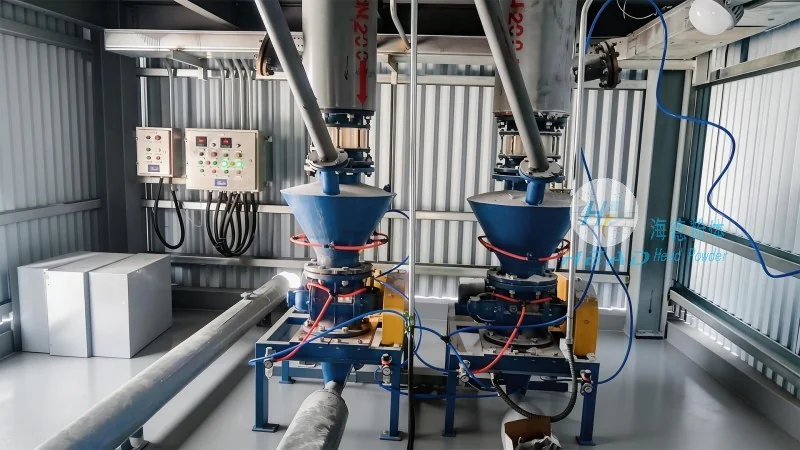
Applications and Industry Impact
The desulfurization gypsum powder pneumatic conveying machine is widely used in power plants and other industrial facilities that generate desulfurization gypsum as a byproduct. The material is commonly used in the production of gypsum boards, cement, and soil conditioners, among other applications. The efficient transport of gypsum powder is essential for the smooth operation of these processes, as it ensures a consistent supply of material to the production lines. The use of pneumatic conveying systems has significantly improved the efficiency and reliability of gypsum powder handling, reducing downtime and operational costs. In addition, the closed system design helps to minimize environmental impact, aligning with the growing emphasis on sustainable industrial practices. The technology has contributed to the optimization of material flow in industrial settings, supporting the overall productivity and sustainability of the facilities.