

Operation Process and Working Principle of Fully Automatic Bulk Material Pneumatic Conveying Systems
For industrial applications requiring efficient and reliable bulk material handling, fully automatic pneumatic conveying systems offer a sophisticated solution. These systems are designed to transport powders, granules, and other dry materials with precision and minimal human intervention. This article explores the operation process and working principles of such systems, highlighting their key components and operational flow.
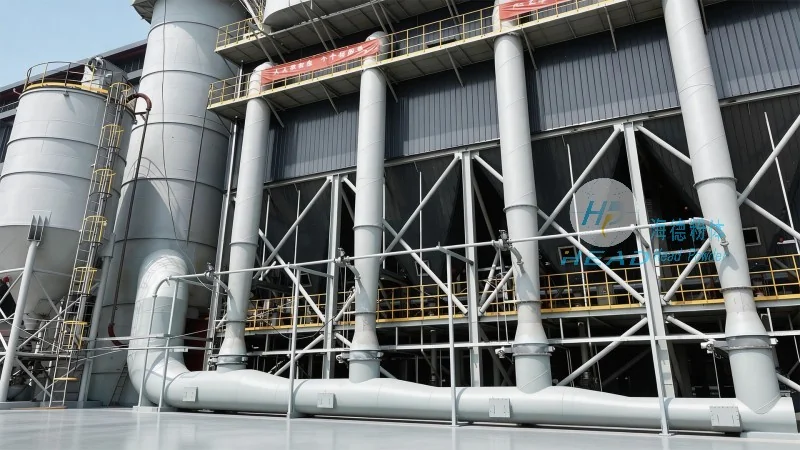
Introduction to Fully Automatic Pneumatic Conveying Systems
HeadPowder, a leading manufacturer based in Shandong, China, specializes in developing advanced pneumatic conveying solutions tailored to diverse industrial needs. The fully automatic systems from HeadPowder are engineered to ensure seamless material transfer, enhanced safety, and operational efficiency. By integrating state-of-the-art technology, these systems address common challenges in material handling, such as dust control, material degradation, and labor-intensive processes.
Key Components of the System
The fully automatic pneumatic conveying system consists of several critical components that work in harmony to achieve efficient material transport. These include the material feed hopper, which stores and feeds the bulk material; the air compressor or blower, which generates the necessary air pressure for conveying; the conveying line, which transports the material; and the receiving hopper or storage tank, where the material is deposited. Additional components may include filters, cyclones, and control panels to manage air quality and system operation.
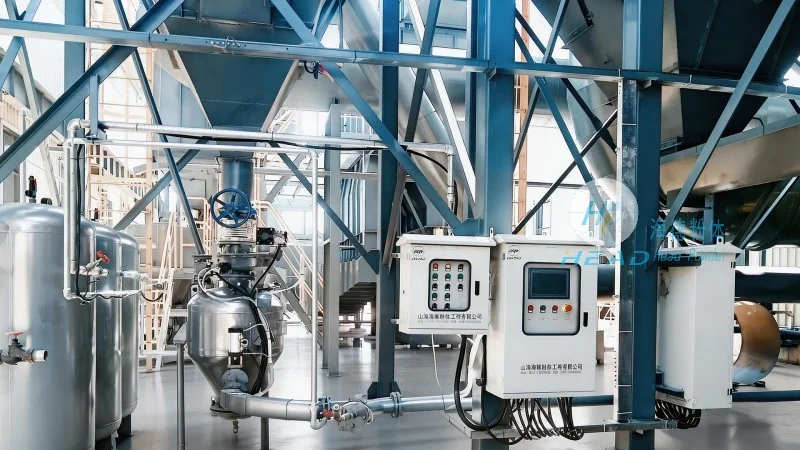
Operation Process: Step-by-Step Overview
The operation of a fully automatic pneumatic conveying system follows a systematic sequence to ensure consistent and reliable material transfer. The process typically begins with the material being loaded into the feed hopper. Once the hopper is filled, the system automatically initiates the air compression phase. The air compressor then generates the required pressure, which is directed through the conveying line. As the air flows, it entrains the material particles, forming a slurry-like mixture that travels through the pipeline. The conveying line may include bends, expansions, or other features to guide the material to the destination. Upon reaching the receiving hopper, the material is deposited, and the system automatically adjusts its operation based on the material level or flow rate.
Working Principle: How It Transports Materials
The core working principle of pneumatic conveying relies on the interaction between air and material particles. In a positive pressure system, the air compressor forces air into the conveying line, creating a pressure differential that propels the material forward. The air velocity is carefully controlled to ensure that the material is suspended and transported without causing excessive wear or degradation. The system may use different conveying modes, such as dilute phase or dense phase, depending on the material characteristics and application requirements. Dilute phase conveying involves low air velocity and high material concentration, suitable for short distances and low-density materials. Dense phase conveying, on the other hand, uses higher air pressure and lower material concentration, ideal for long-distance transport and sensitive materials.
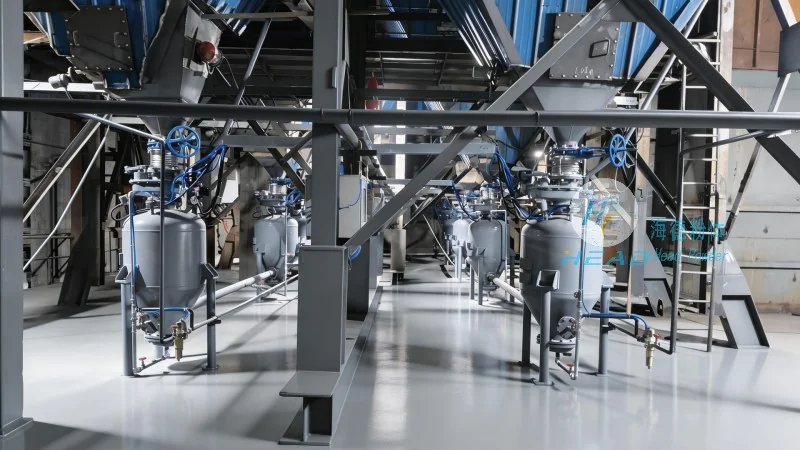
Advantages of Fully Automatic Pneumatic Conveying
Implementing a fully automatic pneumatic conveying system offers numerous benefits for industrial operations. These systems enhance productivity by reducing downtime and labor requirements, as they operate with minimal human intervention. They also improve material handling efficiency by ensuring consistent flow rates and reducing material loss or contamination. Additionally, the automated control systems provide real-time monitoring and adjustment, allowing for better process control and maintenance scheduling. The systems are also designed to minimize environmental impact, with features like dust collection and air filtration to comply with regulatory standards.
Applications and Industries
Fully automatic pneumatic conveying systems are widely used across various industries, including pharmaceuticals, food processing, chemicals, and mining. In the pharmaceutical industry, these systems ensure the safe and hygienic transfer of powders, maintaining compliance with GMP (Good Manufacturing Practice) standards. In food processing, they handle ingredients like flour, sugar, and spices, preserving product quality and preventing cross-contamination. The chemical industry utilizes these systems for transporting raw materials and finished products, while the mining sector employs them for ore and mineral handling. The versatility of these systems makes them suitable for a wide range of applications, from small-scale operations to large-scale industrial facilities.
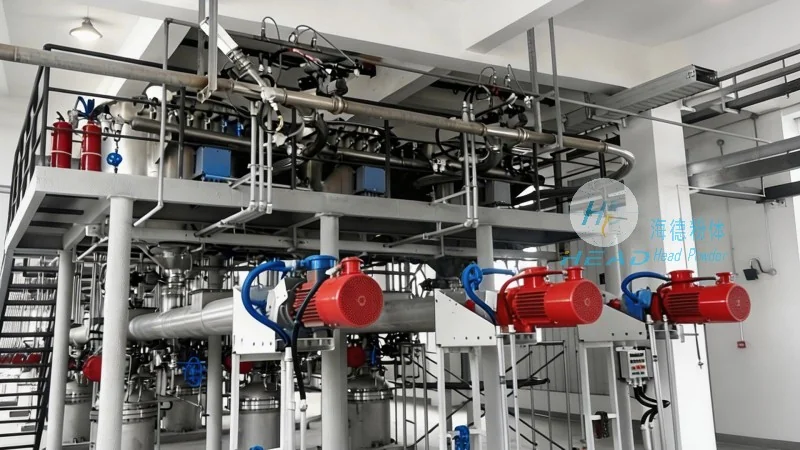
Maintenance and Operational Considerations
To ensure the longevity and optimal performance of a fully automatic pneumatic conveying system, regular maintenance is essential. HeadPowder recommends routine checks of the air compressor, conveying line, and control systems to identify and address potential issues early. Filters and cyclones should be inspected and cleaned regularly to prevent clogging and maintain air quality. The system's control panel should be monitored for any abnormal readings or alerts, which may indicate a need for maintenance or adjustment. Proper training of operators on the system's operation and safety protocols is also crucial to prevent accidents and ensure smooth operation. By adhering to a maintenance schedule and operational guidelines, users can maximize the system's lifespan and performance.
Conclusion
Fully automatic pneumatic conveying systems represent a significant advancement in bulk material handling technology. By integrating advanced components and automated control systems, these solutions offer efficient, reliable, and safe material transport for diverse industrial applications. HeadPowder's expertise in designing and manufacturing such systems ensures that clients receive tailored solutions that meet their specific needs. As industries continue to demand higher efficiency and productivity, fully automatic pneumatic conveying systems remain a critical component in modern material handling operations.