

Operation Process and Working Principle of Pneumatic Conveying for Carboxymethyl Cellulose Materials
Carboxymethyl cellulose (CMC) is a widely used chemical additive in various industries, including food, pharmaceuticals, and construction. Efficient material handling is crucial for the production and distribution of CMC, and pneumatic conveying systems offer a reliable solution for transporting CMC materials. This article explores the operation process and working principle of pneumatic conveying for CMC materials, highlighting the key components and mechanisms involved.
Introduction to Pneumatic Conveying Systems
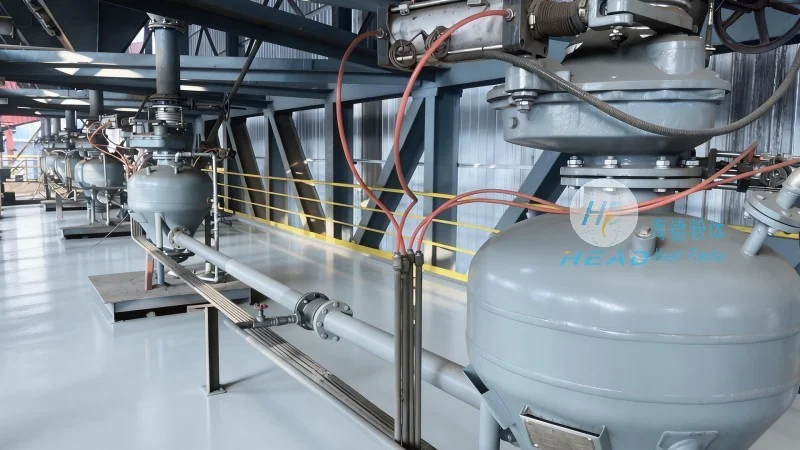
Pneumatic conveying, also known as air conveying, is a method of transporting bulk materials through a pipeline using air or other gases. It is particularly suitable for fine powders like CMC, which can be prone to dust and clogging in traditional mechanical systems. The system typically consists of a material hopper, a feeder, a conveyor line, and a receiver, all connected by a network of pipes. The primary goal is to move CMC from its storage location to the processing or packaging area with minimal loss and maximum efficiency.
Key Components of a Pneumatic Conveying System for CMC
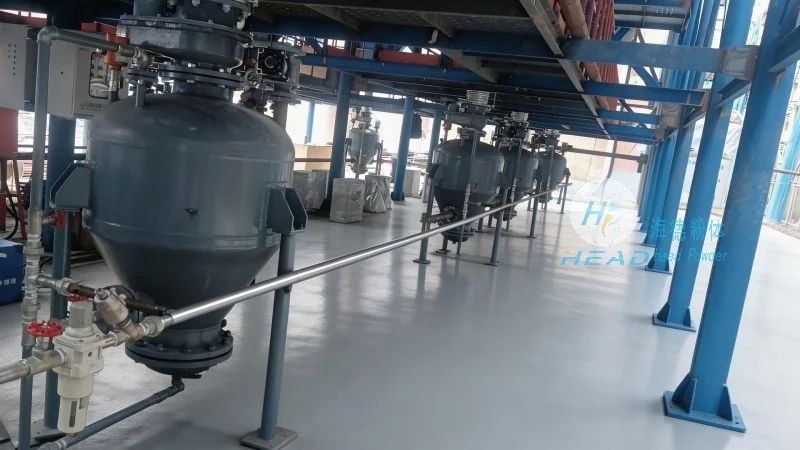
The effectiveness of a pneumatic conveying system for CMC depends on several critical components. The material hopper is designed to store the CMC powder and maintain a consistent feed. It often includes a level indicator to monitor the material volume. The feeder, such as a rotary valve or a screw feeder, regulates the flow of CMC into the conveyor line, ensuring a steady and controlled discharge. The conveyor line, usually made of stainless steel or other corrosion-resistant materials, is the main pathway for the material and air mixture. The receiver, at the end of the line, collects the CMC and may include a dust collection system to prevent environmental contamination.
Working Principle of Pneumatic Conveying for CMC
The working principle of pneumatic conveying for CMC involves creating a pressure differential between the hopper and the receiver. In a positive pressure system, air is blown into the hopper, lifting the CMC particles and pushing them through the pipeline. The air velocity must be sufficient to keep the CMC particles in suspension and prevent settling or blockages. The pressure is maintained by a blower or a compressor, which supplies the necessary air volume and pressure. In a negative pressure system, air is drawn from the receiver, creating a vacuum that pulls the CMC particles from the hopper. Both systems are used depending on the distance and layout of the conveying line, with positive pressure being more common for longer distances and higher material flow rates.
Operation Process of Pneumatic Conveying for CMC
The operation process of a pneumatic conveying system for CMC typically follows a sequence of steps. First, the CMC is loaded into the material hopper. The feeder is then activated to start the flow of material into the conveyor line. The blower or compressor is turned on, establishing the pressure or vacuum as required. The CMC particles are then conveyed through the pipeline to the receiver. The receiver may include a filter or cyclone to separate any remaining air from the CMC powder, ensuring a clean and dry product. The system is monitored continuously for pressure, flow rate, and material level to maintain optimal performance. Any adjustments to the feeder speed or air pressure are made as needed to prevent overloading or under-conveying.
Advantages of Pneumatic Conveying for CMC Handling
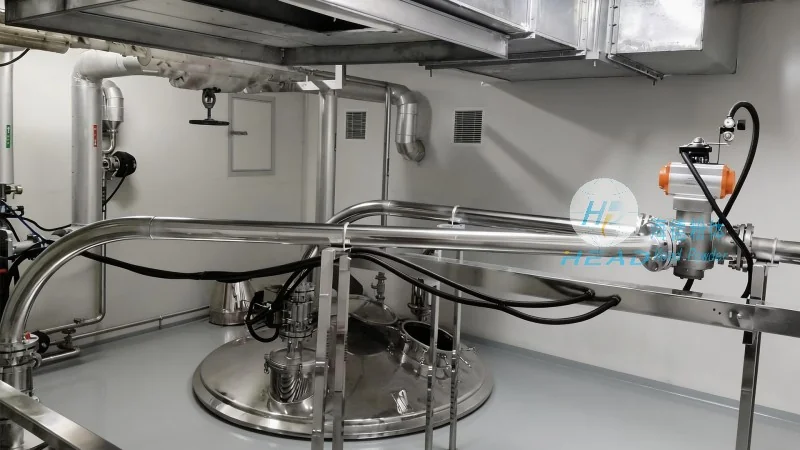
Pneumatic conveying offers several advantages for handling CMC materials. It is a closed system, which helps to contain dust and prevent contamination, making it suitable for food and pharmaceutical applications. The system is also flexible, allowing for changes in the conveying route or capacity without major modifications. Additionally, it can handle CMC with varying moisture content and particle sizes, providing a versatile solution for different production needs. The lack of moving parts in the pipeline reduces maintenance requirements and extends the system's lifespan. Overall, pneumatic conveying enhances the efficiency and safety of CMC material handling, contributing to higher productivity and lower operational costs.
Applications and Industries Using Pneumatic Conveying for CMC
Pneumatic conveying systems for CMC are widely used in various industries. In the food industry, CMC is used as a thickener and stabilizer in beverages and sauces, and pneumatic conveying ensures that the powder is transported without contamination or degradation. In the pharmaceutical industry, CMC is used as a binder and filler in tablets and capsules, and the closed system maintains the product's sterility and purity. The construction industry uses CMC as a binder in concrete and mortar, and pneumatic conveying facilitates the transport of the powder to the job site. Other applications include the paper and textile industries, where CMC is used as a sizing agent and a fiber modifier. The versatility of pneumatic conveying makes it an essential technology for industries that rely on CMC as a key component in their products.
Conclusion
In conclusion, pneumatic conveying is an effective and efficient method for transporting carboxymethyl cellulose materials. The operation process involves a series of steps, from material loading to receiving, with careful control of pressure, flow rate, and material level. The working principle relies on creating a pressure differential to move the CMC particles through the pipeline, ensuring a consistent and reliable delivery. The advantages of this system, including its closed design, flexibility, and low maintenance, make it a preferred choice for industries handling CMC. As a leading provider in this field, Shandong HeadPowder Engineering Co., Ltd. specializes in designing and manufacturing pneumatic conveying systems tailored to the specific needs of CMC handling, ensuring optimal performance and safety for various applications.