

Operation Process and Working Principle of Pneumatic Conveying for Chlorinated Polyethylene Material
Chlorinated polyethylene (CPE) is a widely used polymer material in various industrial applications, and efficient material handling is crucial for its processing and transportation. Pneumatic conveying offers a reliable and effective method for moving CPE materials, ensuring safety, efficiency, and minimal product degradation. This article provides an overview of the operation process and working principle of pneumatic conveying systems specifically designed for chlorinated polyethylene materials, highlighting key components, operational steps, and the benefits of such systems. At Shandong HeadPowder Engineering Co., Ltd., we specialize in the design and implementation of these systems to meet the diverse needs of our clients in industrial processing.
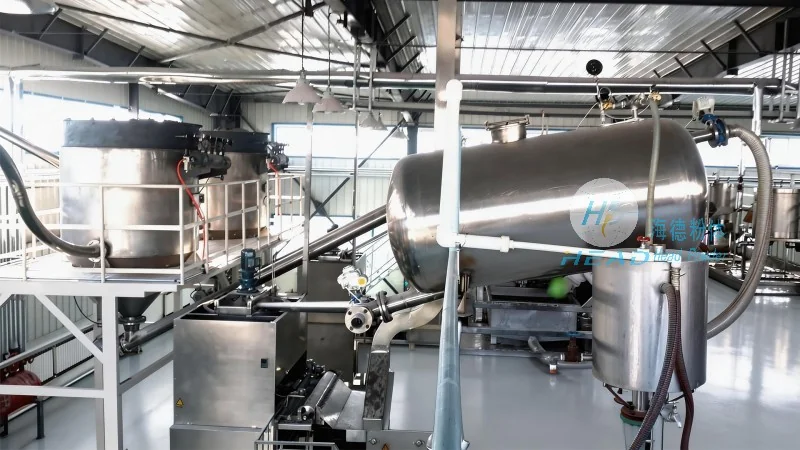
Key Components of Pneumatic Conveying Systems
The pneumatic conveying system for chlorinated polyethylene typically consists of several essential components that work in coordination to transport the material. The primary components include a material hopper or storage silo, a feeder (such as a rotary valve or screw feeder), a conveying line (usually made of stainless steel or other corrosion-resistant materials), a pressure vessel or receiver, and a dust collector or filter system. Each component plays a vital role in the overall operation, ensuring that the CPE material is conveyed smoothly and safely from the source to the destination. The material hopper stores the CPE, while the feeder controls the flow rate, preventing overloading or underfeeding. The conveying line, often equipped with bends and elbows, directs the material along the path, and the receiver collects the material at the end of the line. The dust collector ensures that any fine particles are captured, maintaining air quality and product purity.
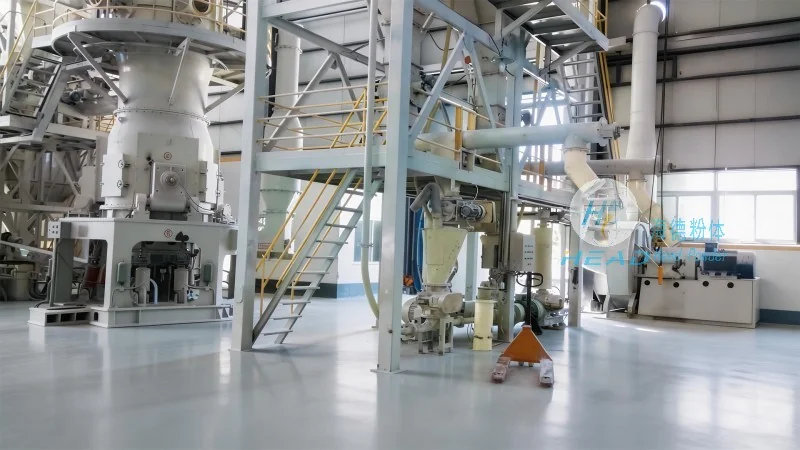
Working Principle of Pneumatic Conveying
The working principle of pneumatic conveying for chlorinated polyethylene involves the use of air or gas to create a flow that transports the material particles through the conveying line. There are two main types of pneumatic conveying systems: pressure systems and vacuum systems. In a pressure system, compressed air is introduced into the material hopper, creating a pressure differential that pushes the material through the conveying line. The material is then collected in a receiver or silo at the destination. In a vacuum system, a vacuum pump creates a negative pressure that draws the material from the source into the conveying line. Both systems are suitable for CPE materials, but the choice depends on factors such as the distance of transportation, the quantity of material, and the specific application requirements. For CPE, which can be sensitive to friction and heat, the vacuum system is often preferred as it minimizes material degradation and maintains product quality.
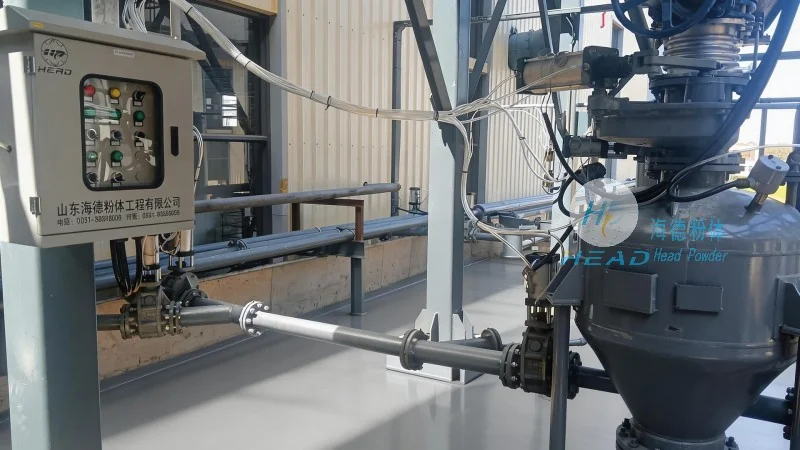
Operation Process of Pneumatic Conveying for CPE
The operation process of a pneumatic conveying system for chlorinated polyethylene involves several sequential steps to ensure efficient and safe material handling. First, the CPE material is stored in a hopper or silo, from which it is fed into the system via a rotary valve or screw feeder. The feeder controls the flow rate of the material, ensuring a consistent and controlled supply to the conveying line. Next, the compressed air or vacuum is activated, creating the necessary pressure or suction to move the material. The material is then carried by the air stream through the conveying line, which may include bends, elbows, or other components to direct the flow. The material is collected in a receiver or storage tank at the destination, where it is discharged and prepared for further processing. The system also includes a dust collector or filter to capture any fine particles or dust generated during the conveying process, ensuring environmental compliance and product purity. Proper monitoring of the system parameters, such as air pressure and flow rate, is essential to maintain optimal performance and prevent issues like blockages or material loss.
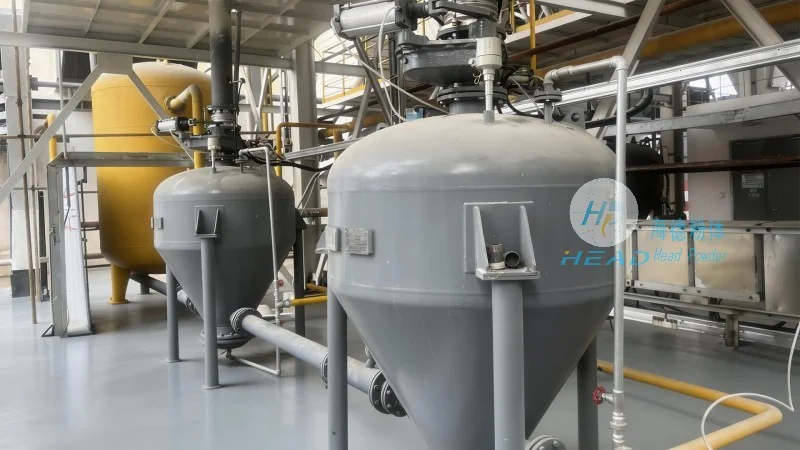
Benefits and Considerations for CPE Pneumatic Conveying
Pneumatic conveying systems for chlorinated polyethylene offer several advantages over traditional material handling methods. These include reduced risk of product contamination, minimal material degradation due to low friction and gentle handling, and the ability to transport materials over long distances without the need for multiple transfer points. Additionally, the system is compact and can be integrated into existing processing lines, saving space and reducing installation costs. The use of stainless steel in the conveying line also helps prevent corrosion, which is particularly important for CPE materials that may contain additives or be exposed to moisture. However, there are also considerations to keep in mind, such as the need for proper maintenance of the system components, especially the feeder and filter, to ensure consistent performance. The choice of air pressure or vacuum level is critical to avoid material blockages or excessive wear on the conveying line. Proper sizing of the conveying line and the use of appropriate materials for the components are also essential to ensure the system operates efficiently and safely. At Shandong HeadPowder Engineering Co., Ltd., we provide comprehensive support, including system design, installation, and maintenance services, to help clients optimize their CPE material handling processes.