

Operation Process and Working Principle of Pneumatic Conveying for Sawdust and Husk Materials
Shandong HeadPowder Engineering Co., Ltd., a leading provider of industrial material handling solutions, specializes in the design, manufacturing, and implementation of advanced pneumatic conveying systems tailored for sawdust and husk materials. Based in Shandong, China, the company leverages decades of expertise to deliver efficient, reliable, and cost-effective solutions for various industrial applications. This article delves into the operational process and working principle of such systems, highlighting their importance in modern material handling.
Introduction to Pneumatic Conveying Systems for Sawdust and Husk Materials
Pneumatic conveying, also known as pneumatic transport, is a method of transporting bulk materials through a pipeline using air or gas as the conveying medium. For sawdust and husk materials—common byproducts in the woodworking, agricultural, and biomass industries—this technology offers a highly efficient alternative to traditional mechanical conveyors. The systems developed by Shandong HeadPowder Engineering Co., Ltd. are specifically engineered to handle the unique characteristics of these materials, such as their light weight, irregular shapes, and potential for dust generation. By integrating advanced engineering principles and robust construction, the company’s systems ensure optimal performance while minimizing operational costs and environmental impact.
The Operational Process of Pneumatic Conveying
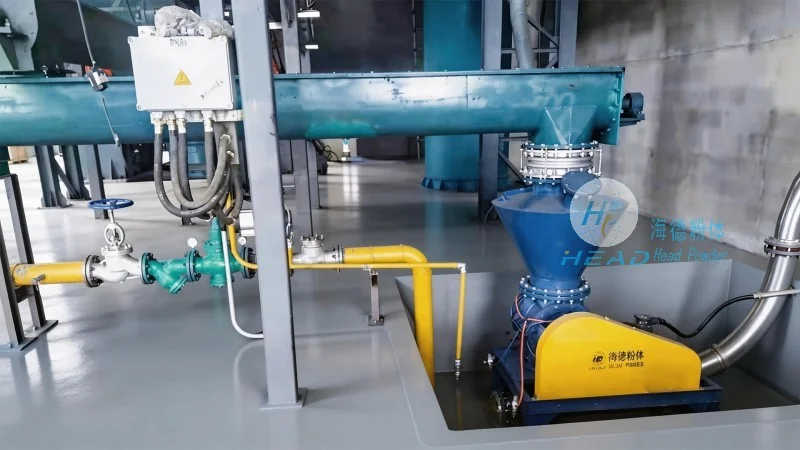
The operational process of a pneumatic conveying system for sawdust and husk materials typically involves several key steps. First, the material is fed into a hopper or silo, where it is stored and prepared for transport. From there, the material is drawn into a conveyor line using a vacuum or pressure system, depending on the specific design. The conveying medium—usually compressed air or a combination of air and gas—is introduced into the pipeline, creating a flow that propels the material forward. The system may include multiple sections, such as a primary conveying line, a transfer station, and a discharge point, allowing for flexible routing and material distribution. Throughout the process, the system maintains consistent air pressure and flow rates to ensure smooth material movement and prevent blockages or clogging. The end of the conveyor line typically features a discharge valve or hopper, where the material is collected for further processing or storage.
Working Principle of the Pneumatic Conveying System
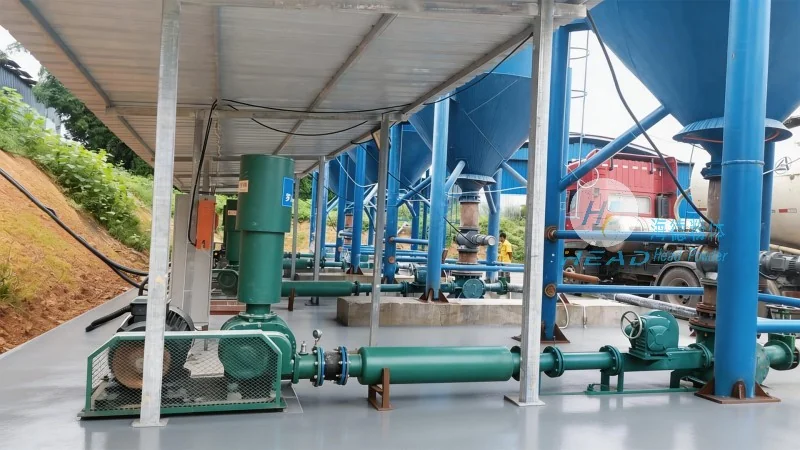
The working principle of the pneumatic conveying system for sawdust and husk materials is based on the fundamental physics of fluid dynamics and particle movement. In a pressure system, compressed air is forced through the pipeline, creating a high-pressure environment that pushes the material along. The air flow is carefully controlled to maintain a stable velocity, ensuring that the material particles are suspended and transported without excessive wear or degradation. In a vacuum system, a vacuum pump creates a low-pressure zone at the discharge end, drawing the material and air mixture through the pipeline. The system’s design, including the size of the pipeline, the air velocity, and the material feed rate, is optimized to achieve the desired conveying efficiency and minimize energy consumption. The use of specialized components, such as rotary valves, airlocks, and filters, further enhances the system’s performance and reliability.
Key Features and Benefits of the System
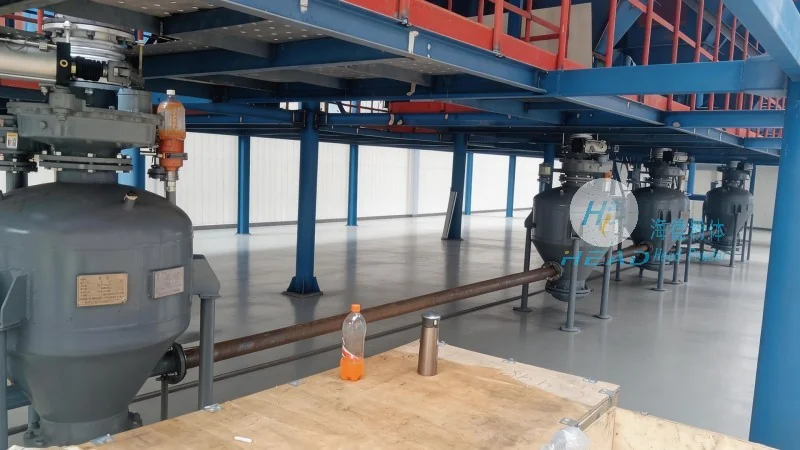
The pneumatic conveying systems offered by Shandong HeadPowder Engineering Co., Ltd. are equipped with several key features that set them apart in the industry. These include adjustable air pressure and flow controls, which allow for precise regulation of material movement and adaptability to varying material characteristics. The systems also feature robust construction with corrosion-resistant materials, ensuring long-term durability and minimal maintenance. Additionally, the company’s solutions incorporate advanced monitoring and control systems, enabling real-time tracking of system performance and early detection of potential issues. The benefits of these systems are significant, including reduced labor costs, increased operational efficiency, and improved safety by eliminating the need for manual handling of bulk materials. Furthermore, the systems are designed to minimize dust emissions and environmental impact, aligning with modern sustainability standards.
Application Scenarios and Industry Impact
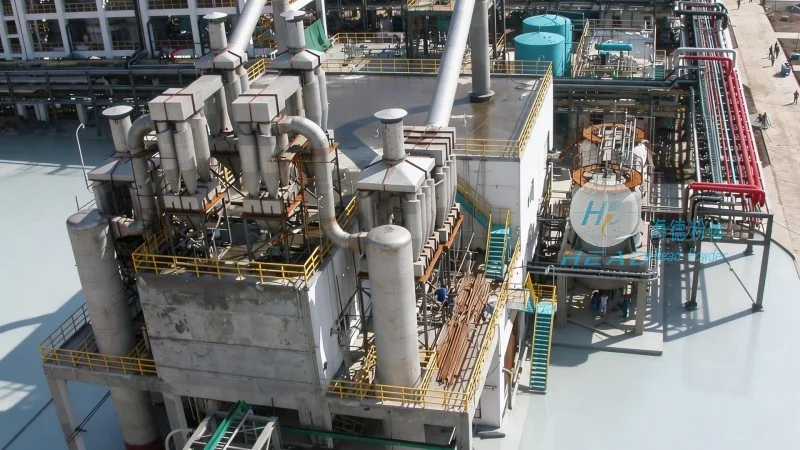
The pneumatic conveying systems for sawdust and husk materials are widely used in various industrial sectors, including the woodworking industry, agricultural processing, and biomass energy production. In the woodworking sector, these systems efficiently transport sawdust from sawmills to storage facilities or processing plants, where it can be used as a raw material for particleboard or other wood products. In agricultural applications, the systems handle husk materials from grain processing facilities, facilitating their transport to storage or further processing units. For biomass energy producers, the systems play a critical role in transporting biomass feedstock to combustion or gasification plants, ensuring a steady supply of fuel. The adoption of these systems has had a positive impact on the efficiency and sustainability of these industries, reducing transportation costs and improving overall operational performance.
Conclusion
Shandong HeadPowder Engineering Co., Ltd. continues to innovate in the field of pneumatic conveying technology, providing tailored solutions for the unique needs of sawdust and husk materials. By combining advanced engineering, robust construction, and efficient operation, the company’s systems offer a reliable and cost-effective approach to material handling. As industries increasingly prioritize sustainability and operational efficiency, the importance of such systems will only grow, making them a vital component of modern industrial processes.