

Operation Process and Working Principle of Air-Driven Transport for Lithium Iron Carbonate Material
HeadPowder, a leading provider in material handling solutions, specializes in air-driven transport systems designed for the efficient and reliable movement of lithium iron carbonate material. This technology is crucial in modern industrial applications where precise material transport is essential for maintaining production efficiency and safety standards. The air-driven transport system, also known as pneumatic conveying, utilizes compressed air to move bulk materials through a network of pipes, offering a flexible and effective solution for handling lithium iron carbonate, a key component in lithium-ion batteries.
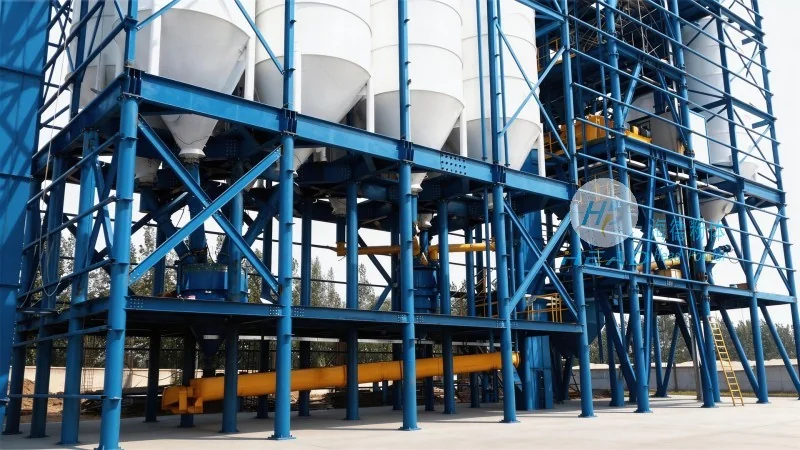
Working Principle of the Air-Driven Transport System
The core mechanism of the air-driven transport system involves the use of differential pressure to move material through a closed pipeline system. In this process, a compressor generates high-pressure air, which is then introduced into the conveying line. The material, typically in powder or granular form, is introduced into the system at a loading point, often through a hopper or feeder. As the compressed air flows through the pipe, it creates a flow that carries the material particles along with it. The velocity of the air and the size of the particles determine the type of conveying system used—such as dilute phase or dense phase transport. For lithium iron carbonate, which is a fine powder, a dilute phase system is commonly employed, where the material is suspended in the air stream, ensuring consistent and smooth transport without clogging the pipes.
Key Components and Their Functions
The air-driven transport system for lithium iron carbonate material consists of several critical components that work in tandem to ensure optimal performance. The primary components include the air compressor, which supplies the necessary pressure and volume of air; the material feed system, such as a hopper or rotary valve, which controls the flow rate of the lithium iron carbonate into the conveying line; the conveying pipes, which form the main pathway for material transport; and the control valves and regulators, which manage the air pressure and flow to maintain consistent material movement. Additionally, the system may include filters and cyclones to separate the material from the air at the discharge end, ensuring that the material is deposited accurately and the air is cleaned before release. Each component plays a vital role in maintaining the efficiency and reliability of the transport process, minimizing downtime and ensuring consistent material delivery to the processing or storage areas.
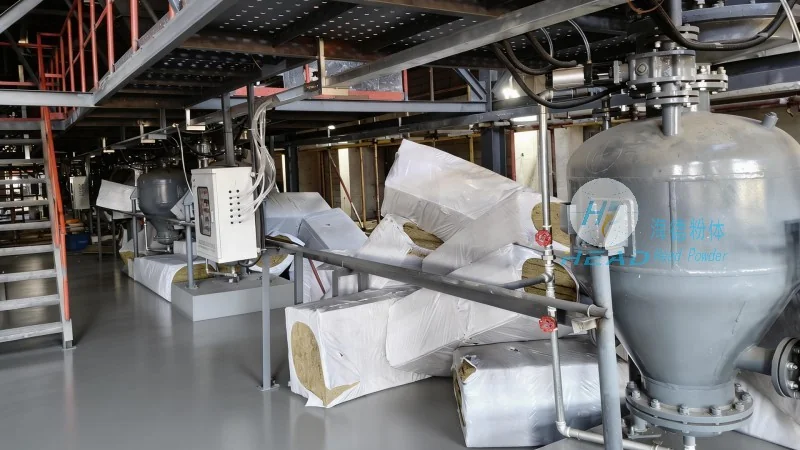
Operation Process of the Air-Driven Transport System
The operation of the air-driven transport system for lithium iron carbonate material follows a systematic process that begins with material preparation and ends with precise discharge. Initially, the lithium iron carbonate is stored in a bulk container or hopper, where it is kept in a dry and stable condition to prevent agglomeration or moisture absorption. The material is then fed into the system through a rotary valve or feeder, which regulates the flow rate based on the production requirements. The compressed air from the air compressor is introduced into the conveying line at the loading point, creating a high-velocity air stream that picks up the material particles. As the air and material mixture travels through the pipes, it moves towards the discharge point, which is typically equipped with a cyclone or filter to separate the material from the air. The material is then deposited into a receiving container or processing unit, while the cleaned air is either recycled back into the system or released into the environment. The entire process is controlled by a programmable logic controller (PLC) or a dedicated control system, which monitors the pressure, flow rate, and material level to ensure smooth operation and prevent overloading or underflow. This systematic approach ensures that the air-driven transport system operates efficiently, delivering the lithium iron carbonate material to its destination with minimal loss and maximum reliability.
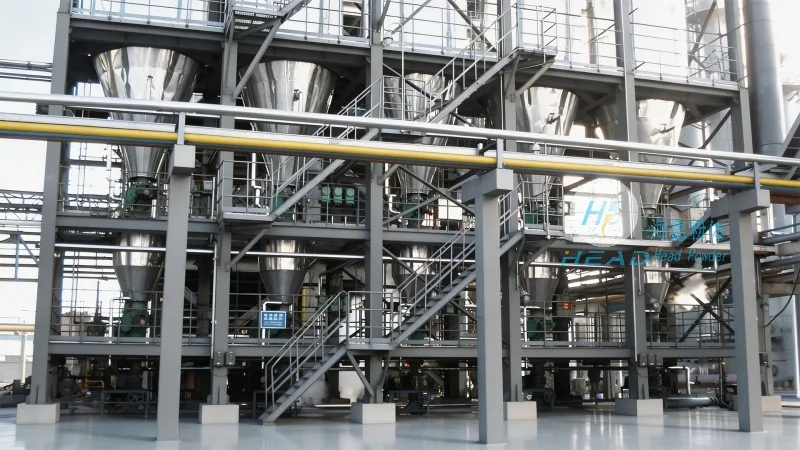
Advantages of Air-Driven Transport for Lithium Iron Carbonate
Implementing an air-driven transport system for lithium iron carbonate material offers several significant advantages over traditional methods such as belt conveyors or bucket elevators. One of the primary benefits is the ability to transport material in a closed system, which minimizes dust emissions and improves workplace safety. This is particularly important for lithium iron carbonate, as it is a fine powder that can cause respiratory issues if inhaled. The closed system also helps maintain the purity of the material, preventing contamination from external sources. Another advantage is the flexibility of the system, which allows for easy reconfiguration of the conveying lines to accommodate changes in production processes or facility layouts. The air-driven transport system can handle varying material flow rates and particle sizes, making it suitable for different stages of lithium iron carbonate processing, from raw material handling to intermediate storage. Additionally, the system is relatively low maintenance compared to other bulk material handling equipment, as it has fewer moving parts and requires less frequent cleaning. The energy efficiency of the system, especially when using energy-saving compressors and optimized pipe designs, also contributes to lower operational costs over time. Overall, the air-driven transport system provides a reliable, safe, and efficient solution for handling lithium iron carbonate material, enhancing productivity and reducing operational risks in industrial settings.
Applications and Industry Impact
The air-driven transport system for lithium iron carbonate material is widely used in various industrial applications, particularly in the battery manufacturing industry. Lithium iron phosphate (LiFePO₄) batteries, which use lithium iron carbonate as a key component, are increasingly popular due to their long cycle life and safety features. The efficient transport of lithium iron carbonate is critical in the production of these batteries, as it ensures a consistent supply of raw material to the processing lines. In addition to battery manufacturing, the system is also used in material processing plants where lithium iron carbonate is used as a catalyst or additive in other chemical processes. The ability to handle fine powders with precision and minimal loss makes the air-driven transport system ideal for these applications. The adoption of this technology has significantly improved the efficiency of material handling in the lithium battery industry, reducing production time and costs while maintaining high quality standards. As the demand for lithium-ion batteries continues to grow, the importance of reliable material transport systems like the air-driven transport for lithium iron carbonate will only increase, supporting the expansion of the battery manufacturing sector and contributing to the development of sustainable energy solutions.