

Operation Process and Working Principle of Magnesium Oxide Powder Material Pneumatic Conveying
At Shandong HeadPowder Engineering Co., Ltd., we specialize in the design and implementation of pneumatic conveying systems tailored for handling magnesium oxide powder. The fundamental principle of pneumatic conveying involves transporting bulk materials like magnesium oxide powder through a pipeline using a stream of pressurized air or gas. This method eliminates the need for mechanical components such as buckets, belts, or screws, offering a more efficient and flexible solution for material transport. The system typically comprises a hopper, a feeder, a pipeline, a conveying air source (like a blower or compressor), and a receiver. The magnesium oxide powder is fed into the hopper, and then metered into the pipeline by the feeder. The conveying air, generated by the air source, creates a flow that carries the powder particles through the pipeline to the destination receiver. The velocity of the air and the particle size distribution of the magnesium oxide powder are critical factors that determine the efficiency and stability of the conveying process. Proper design ensures that the air velocity is sufficient to keep the powder suspended and prevent blockages or degradation of the material.
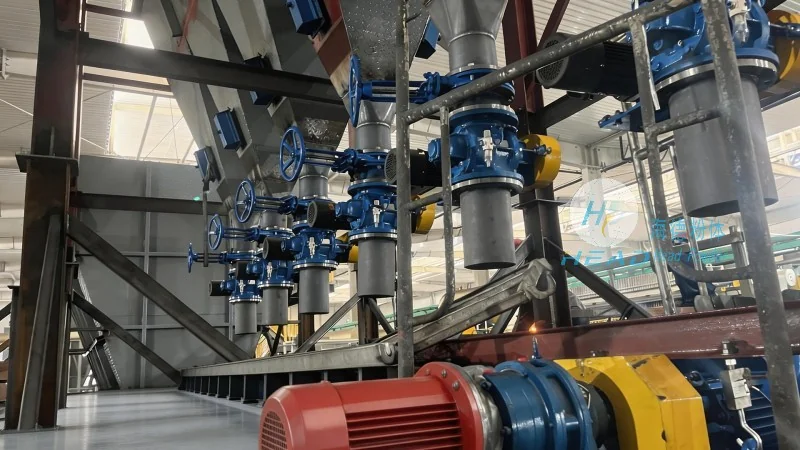
Operation Process of Magnesium Oxide Powder Pneumatic Conveying
The operation process of pneumatic conveying for magnesium oxide powder involves several key steps that ensure smooth and reliable material transport. First, the magnesium oxide powder is stored in a bulk storage silo or hopper. The powder is then fed into the pneumatic conveying system using a rotary valve or a screw feeder, which controls the flow rate to maintain a consistent material feed. The feeder connects to the conveying pipeline, which is usually made of stainless steel or other corrosion-resistant materials to accommodate the chemical properties of magnesium oxide. The conveying air is supplied by a high-pressure blower or compressor, which generates the necessary air flow to move the powder. The air and powder mixture travels through the pipeline, with the air velocity maintained above the minimum conveying velocity to keep the powder in suspension. At the receiving end, the powder is separated from the air using a cyclone separator or a filter, and the air is either recirculated or released. The entire process is automated and monitored to ensure optimal performance, with sensors and controls adjusting the air pressure, flow rate, and material feed as needed. This automated operation minimizes human intervention and reduces the risk of material loss or contamination.
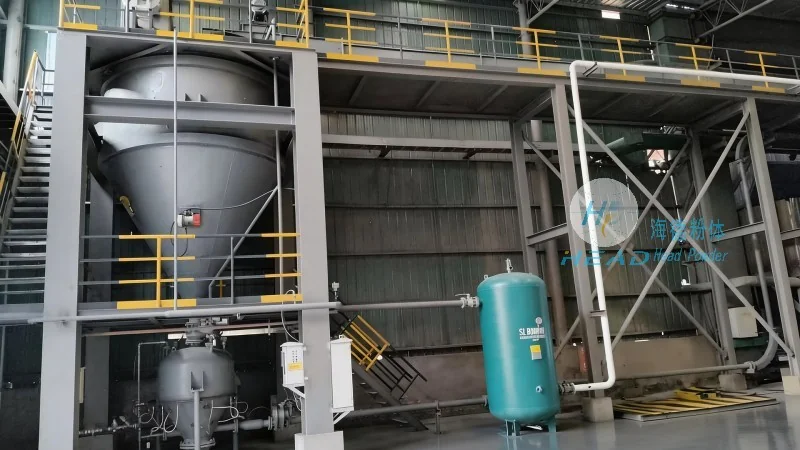
Key Components and Their Roles in Magnesium Oxide Powder Pneumatic Conveying Systems
Several critical components are integral to the effective operation of pneumatic conveying systems for magnesium oxide powder. The hopper serves as the storage and feeding vessel, providing a controlled environment for the powder to be introduced into the system. The feeder, typically a rotary valve or a metering screw, regulates the flow rate of the magnesium oxide powder, ensuring a consistent and steady feed to the pipeline. The conveying pipeline is designed with appropriate diameter and length to accommodate the material's characteristics, with bends and fittings that minimize pressure loss and prevent particle accumulation. The air source, such as a positive displacement blower or a centrifugal compressor, generates the required air pressure and flow rate. The receiver or discharge hopper collects the conveyed magnesium oxide powder, and the air separation system, including cyclones or filters, separates the powder from the air stream. Each component must be selected based on the specific properties of the magnesium oxide powder, including particle size, density, and moisture content, to ensure the system operates efficiently and without issues like blockages or material degradation.
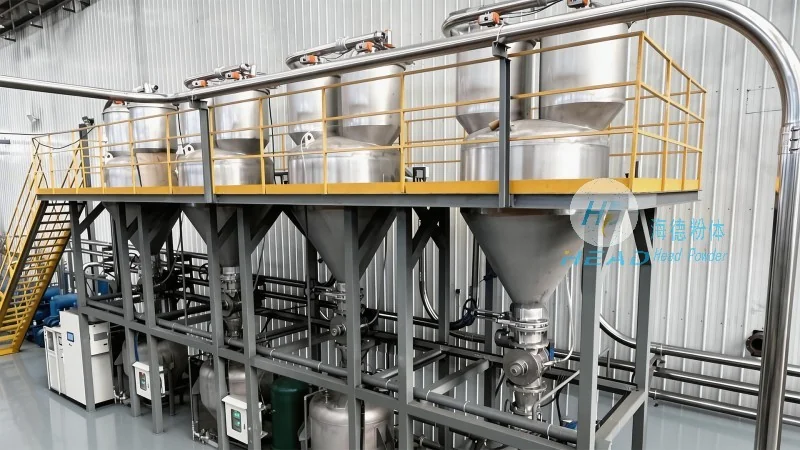
Advantages of Pneumatic Conveying for Magnesium Oxide Powder Handling
Pneumatic conveying offers several advantages over traditional mechanical conveying methods for handling magnesium oxide powder. One of the primary benefits is the elimination of mechanical components, which reduces maintenance requirements and the risk of equipment failure. The system is also highly flexible, allowing for changes in material flow rates and destinations without significant modifications. Pneumatic conveying is also suitable for transporting materials in a closed system, which minimizes dust emissions and environmental contamination, a critical consideration for magnesium oxide powder due to its potential health effects. Additionally, the system can handle varying particle sizes and moisture contents, making it versatile for different applications. The automated nature of the process enhances safety and consistency, ensuring that the magnesium oxide powder is transported in a controlled manner, free from external contaminants. These advantages make pneumatic conveying an ideal solution for industrial applications where efficiency, safety, and material integrity are paramount.