

Operation Process and Working Principle of Air-Driven Buckwheat Hull Material Handling
Understanding the operation process and working principle of air-driven buckwheat hull material handling is crucial for optimizing material handling efficiency in industrial applications. This article provides a detailed overview of the system, focusing on the key components, operational steps, and technical aspects that contribute to effective material transport.
Introduction to Air-Driven Material Handling Systems
HeadPowder, a leading provider of engineering solutions based in Shandong, China, specializes in the design and implementation of advanced material handling systems. The air-driven system for buckwheat hull material handling represents a sophisticated approach to transporting bulk materials efficiently and reliably. This technology is particularly valuable in industries where traditional methods may be less effective or more costly.
Key Components of the Air-Driven System
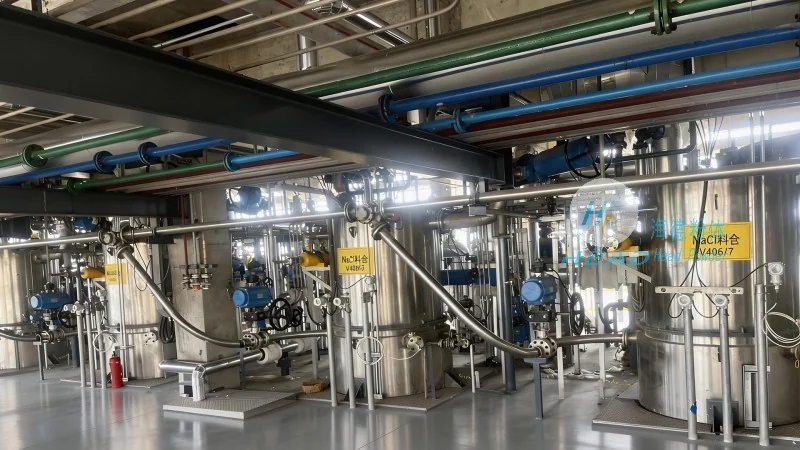
The air-driven buckwheat hull material handling system consists of several critical components that work in tandem to ensure smooth operation. These include the air supply unit, material feed hopper, conveying pipeline, and discharge mechanism. Each component plays a vital role in the overall functionality of the system.
Working Principle of the Air-Driven System
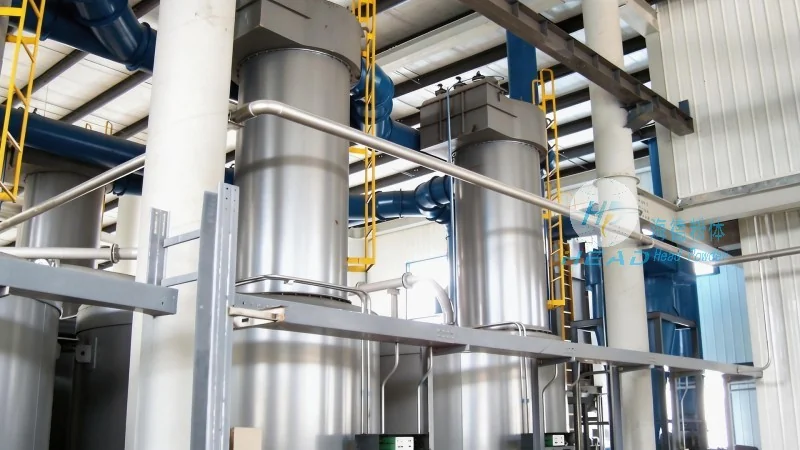
The core working principle of the air-driven system involves the use of compressed air to create a flow of air within the conveying pipeline. As compressed air is introduced into the pipeline, it generates a negative pressure or positive pressure environment that propels the buckwheat hull particles forward. The system leverages the principles of fluid dynamics to move the material efficiently from the feed point to the discharge point.
Operation Process: Step-by-Step Breakdown
The operation process of the air-driven buckwheat hull material handling system can be broken down into several sequential steps. First, the buckwheat hulls are fed into the material hopper from the source. The hopper then delivers the material into the conveying pipeline as the air flow is activated. The compressed air creates a consistent flow that carries the material through the pipeline. At the discharge end, the material is released into the receiving container, completing the transport cycle.
Advantages of Air-Driven Material Handling for Buckwheat Hulls
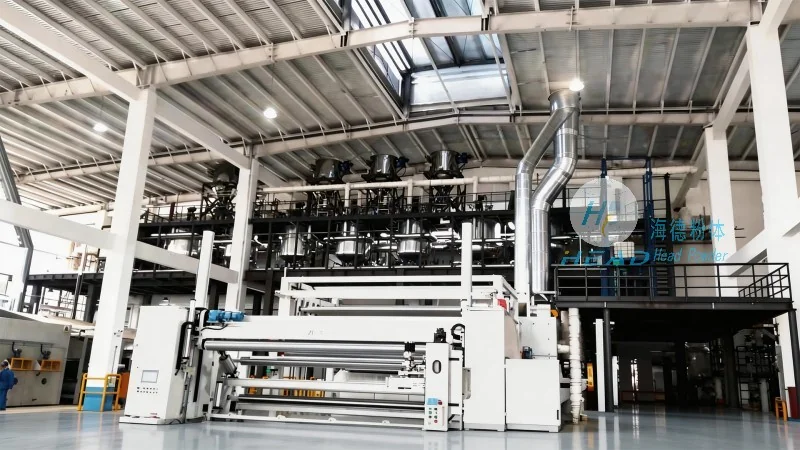
Compared to traditional mechanical conveying methods, air-driven systems offer several advantages for handling buckwheat hulls. These include reduced mechanical wear, lower energy consumption, and the ability to handle materials with varying particle sizes. The system also minimizes material degradation and contamination, which is essential for maintaining product quality in processing applications.
Applications and Industrial Use Cases
The air-driven buckwheat hull material handling system is widely used in various industrial applications, particularly in the food processing and agricultural sectors. It is commonly employed in the processing of buckwheat hulls for use as animal feed, biofuel, or in the production of other value-added products. The system's adaptability and efficiency make it a preferred choice for businesses seeking to streamline their material handling operations.
Maintenance and Operational Considerations
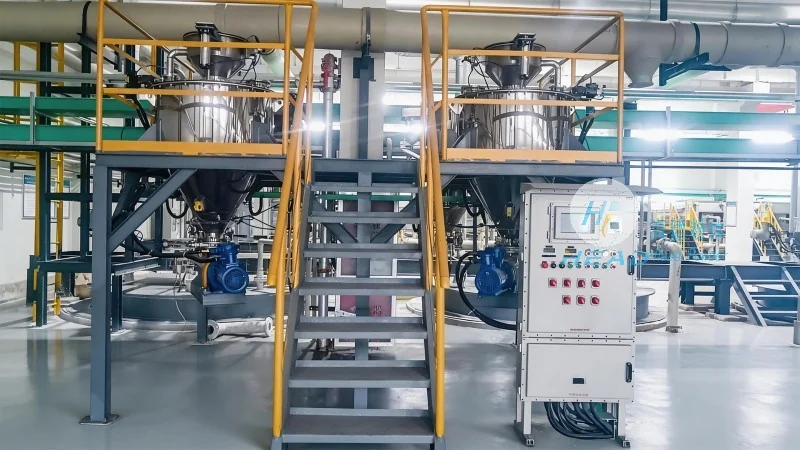
To ensure optimal performance and longevity of the air-driven buckwheat hull material handling system, regular maintenance is essential. This includes checking air pressure levels, inspecting pipeline integrity, and cleaning the hopper and discharge mechanisms. Proper operational considerations, such as monitoring material flow rates and adjusting air pressure as needed, also contribute to the system's reliability and efficiency.
Conclusion
In conclusion, the air-driven buckwheat hull material handling system, developed by Shandong HeadPowder Engineering Co., Ltd., offers a highly effective solution for transporting bulk materials. By understanding the operation process and working principles, industries can leverage this technology to improve their material handling efficiency, reduce costs, and enhance overall operational performance. The system's design and functionality make it a valuable asset for businesses operating in the buckwheat processing and related industries.