

Operation Process and Working Principle of Pneumatic Conveying for Inorganic Salt Materials
HeadPowder, a leading provider of pneumatic conveying solutions, specializes in the efficient and reliable transport of inorganic salt materials. This article explores the operation process and working principle of our pneumatic conveying systems, designed to meet the demands of industrial applications.
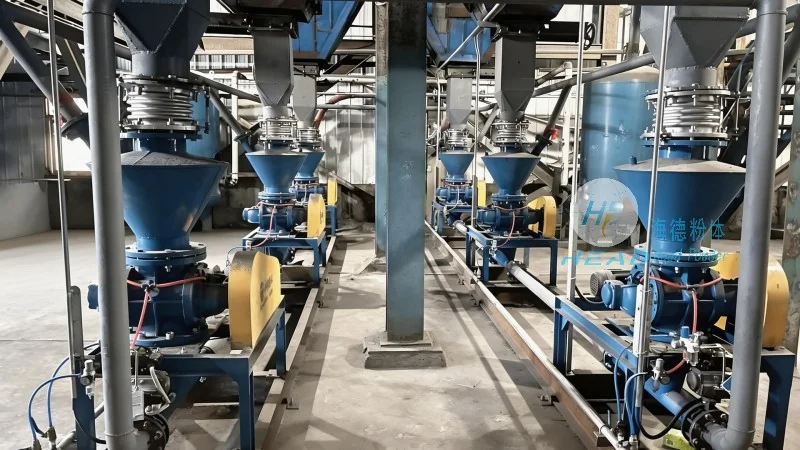
Understanding Pneumatic Conveying Systems for Inorganic Salts
At Shandong HeadPowder Engineering Co., Ltd., we focus on delivering robust pneumatic conveying technologies tailored for inorganic salt materials. These systems utilize air or gas as the conveying medium to transport bulk materials like salts, powders, and granules. The core advantage lies in the ability to handle materials with minimal wear and tear on equipment, ensuring consistent performance and product integrity.
The Operation Process of Inorganic Salt Pneumatic Conveying
Our pneumatic conveying systems for inorganic salts follow a systematic operation process. The process begins with the material being fed into a hopper or storage silo. From there, the material is drawn into the conveying line using a vacuum or pressure system. The air or gas is then introduced to create a flow that propels the material through the pipeline. The system includes components such as feeders, conveyors, and separation units that work in tandem to ensure smooth material transfer. Each step is engineered to maintain the quality and consistency of the inorganic salt, preventing clogging or degradation during transport.
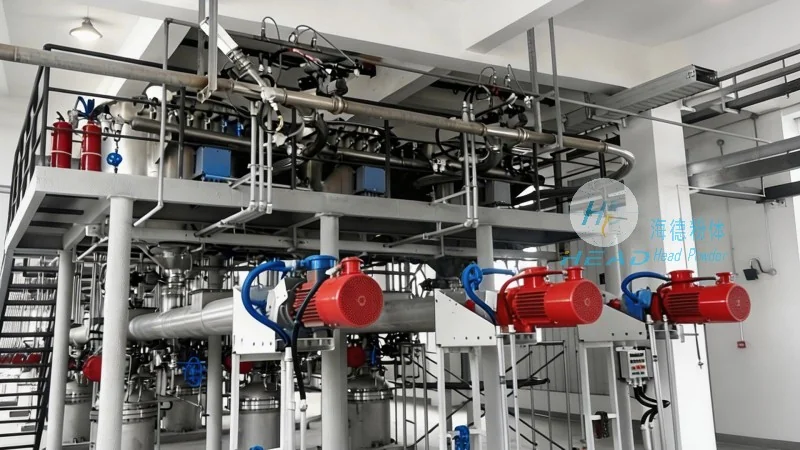
Working Principle of Pneumatic Conveying for Inorganic Salts
The working principle of our pneumatic conveying systems relies on the principles of fluid dynamics and material handling. In a pressure system, compressed air is used to push the material through the pipeline, while a vacuum system uses suction to draw the material. The design of the conveying line, including the size of the pipe and the velocity of the air, is critical to achieving optimal performance. For inorganic salts, the system is optimized to handle materials with varying particle sizes and moisture content, ensuring efficient transport without compromising product quality. The separation units at the end of the line help to filter out any air or debris, delivering a clean and uniform product to the destination.
Key Components and Their Roles in the System
Several key components are integral to the operation of our pneumatic conveying systems for inorganic salts. The feeders, typically screw or rotary types, regulate the flow of material into the system, ensuring a consistent feed rate. The conveying line, made of durable materials like stainless steel or plastic, is designed to withstand the corrosive nature of inorganic salts. The separation units, such as cyclones or filters, are crucial for removing air and separating the material from the conveying medium. These components work together to create a seamless operation, minimizing downtime and maximizing efficiency.
Benefits of Using Pneumatic Conveying for Inorganic Salts
Implementing pneumatic conveying systems for inorganic salts offers numerous benefits. The primary advantage is the ability to transport materials over long distances without the need for mechanical components like belts or buckets. This reduces maintenance costs and increases operational reliability. Additionally, the system is hygienic and easy to clean, making it suitable for food-grade applications. The compact design of the equipment saves space in industrial facilities, while the energy efficiency of the system lowers operational costs. For inorganic salts, the system also helps to maintain the purity of the material by preventing contamination from external sources.
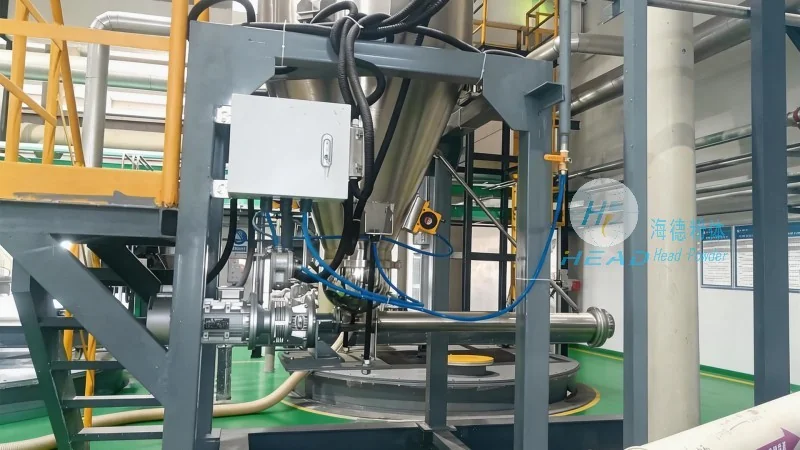
Application Examples and Industrial Use Cases
Our pneumatic conveying systems for inorganic salts are widely used in various industrial sectors. In the chemical industry, they are used to transport raw materials like sodium chloride, potassium chloride, and calcium carbonate. In the food industry, they are employed to handle salt products for processing and packaging. The mining industry also utilizes these systems to transport salt from mines to processing facilities. Each application is tailored to the specific requirements of the industry, ensuring that the system meets the standards and regulations of the sector.
Conclusion and Company Overview
Shandong HeadPowder Engineering Co., Ltd. is committed to providing advanced pneumatic conveying solutions for inorganic salt materials. Our systems are designed to enhance operational efficiency, reduce costs, and maintain product quality. With a focus on innovation and customer satisfaction, we continue to develop cutting-edge technologies that meet the evolving needs of the industry. Based in Shandong, China, HeadPowder serves clients globally, delivering reliable and efficient pneumatic conveying systems that stand the test of time.