

Operation Process and Working Principle of Abrasive Material Pneumatic Conveying
HeadPowder, a leading engineering firm based in Shandong, China, specializes in the design, manufacturing, and installation of pneumatic conveying systems for abrasive materials like garnet sand. This article delves into the operational process and underlying principles of such systems, providing a comprehensive understanding for industry professionals and potential clients.
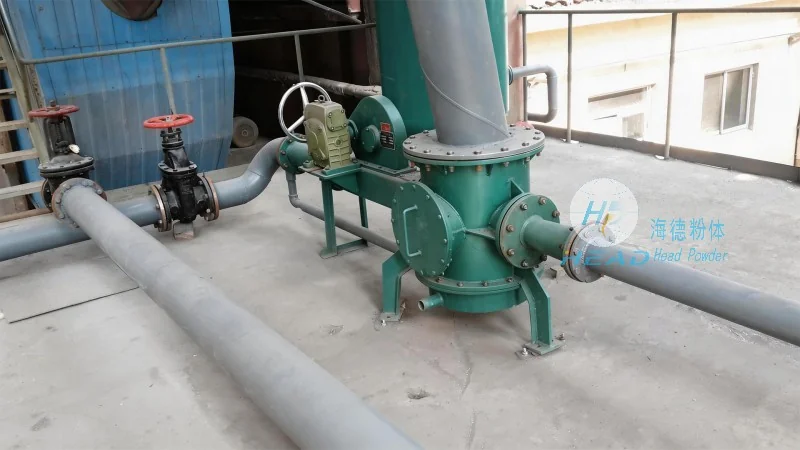
Understanding Pneumatic Conveying Systems for Abrasive Materials
Pneumatic conveying, also known as pneumatic transport, is a method of transporting bulk materials through a pipeline using air or gas as the conveying medium. For abrasive materials such as garnet sand, which are commonly used in waterjet cutting, sandblasting, and other industrial applications, specialized systems are required to ensure efficient and safe operation. The systems must be designed to handle the high wear and tear associated with these materials while maintaining optimal performance.
The Core Components of a Pneumatic Conveying System
At the heart of any pneumatic conveying system for abrasive materials are several key components that work in tandem to achieve the desired transport. These components include the material feed hopper, the air supply system (typically a blower or compressor), the conveying pipeline, and the discharge unit. Each component plays a critical role in the overall operation, and their design and integration are crucial for the system's effectiveness.
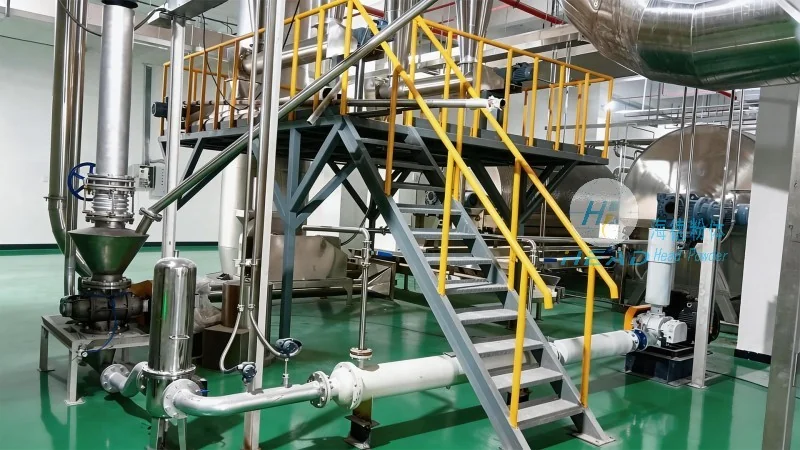
Operation Process: From Material Loading to Discharge
The operation of a pneumatic conveying system for garnet sand begins with the loading of the material into the feed hopper. The hopper is equipped with a feeding mechanism, such as a rotary valve or a screw feeder, which controls the flow of the abrasive material into the system. As the material is fed, the air supply system generates a high-pressure air stream that is introduced into the pipeline. The air stream creates a vacuum or pressure differential that propels the material through the pipeline to the discharge point.
During the conveying process, the material is suspended in the air stream and transported along the pipeline. The speed and pressure of the air, as well as the diameter and length of the pipeline, are carefully controlled to ensure that the material is conveyed efficiently without excessive wear on the system components. The discharge unit, which may be a rotary valve or a pressure vessel, collects the material at the end of the pipeline and discharges it into the target container or processing equipment.
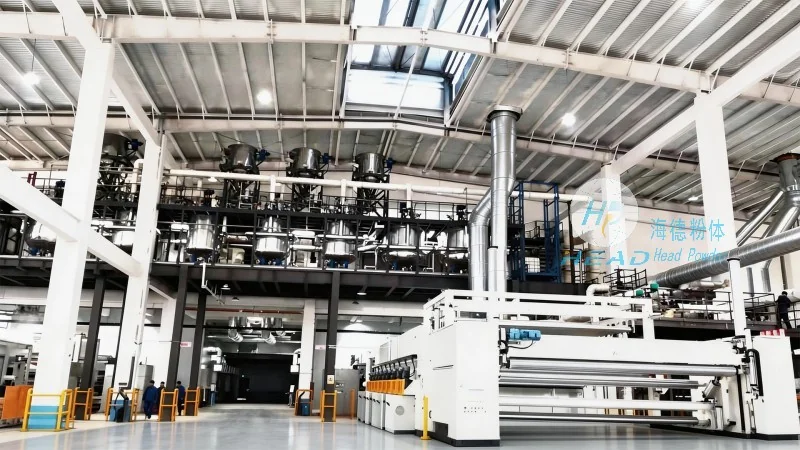
Working Principle: Air-Driven Material Transport
The working principle of pneumatic conveying for abrasive materials is based on the interaction between the air flow and the material particles. The system operates on the principle of fluidization, where the air stream creates a fluid-like environment that allows the material to be moved through the pipeline. The key factors influencing the conveying process include the air velocity, the particle size and density of the material, and the system pressure. Proper design of the system ensures that these factors are optimized to achieve the desired conveying rate and efficiency.
Key Considerations for System Design and Maintenance
Designing a pneumatic conveying system for abrasive materials requires careful consideration of several factors to ensure long-term performance and minimal downtime. The system must be constructed from materials that can withstand the abrasive nature of the material, such as stainless steel or high-grade alloys. The pipeline diameter and length must be optimized to minimize pressure drop and energy consumption. Regular maintenance, including inspection of wear parts and cleaning of the system, is essential to prevent system failure and maintain optimal performance.
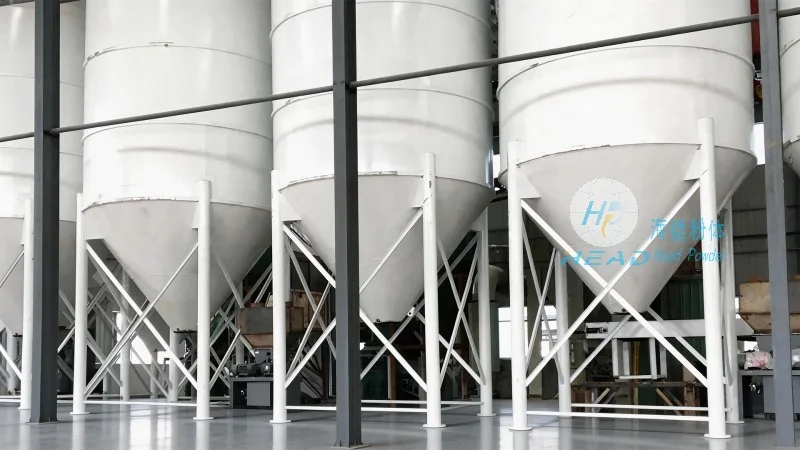
Applications and Benefits of Pneumatic Conveying for Abrasive Materials
Pneumatic conveying systems for garnet sand and other abrasive materials offer several advantages over traditional methods like belt conveyors or bucket elevators. These systems are highly flexible, allowing for easy changes in material flow direction and destination. They also provide a dust-free and enclosed transport environment, which is crucial for maintaining product quality and safety in industrial settings. Additionally, pneumatic conveying systems can be integrated with other processing equipment, such as waterjet cutting machines or sandblasting units, to create a seamless production line.
Conclusion: The Role of HeadPowder in Pneumatic Conveying Solutions
HeadPowder Engineering Co., Ltd., with its headquarters in Shandong, China, is a trusted provider of pneumatic conveying systems for abrasive materials. By leveraging advanced engineering and manufacturing capabilities, the company designs and installs systems that meet the specific needs of its clients, ensuring efficient and reliable transport of garnet sand and other abrasive materials. The company's expertise in system design, material selection, and maintenance services makes it a valuable partner for businesses seeking to optimize their material handling processes.