

Operation Process and Working Principle of Clay Sand Material Pneumatic Conveying
Shandong HeadPowder Engineering Co., Ltd., located in Shandong, China, specializes in the design, manufacturing, and implementation of advanced pneumatic conveying systems for various industrial materials, including clay sand. This article provides a detailed overview of the operational process and working principles of pneumatic conveying systems specifically tailored for clay sand materials.
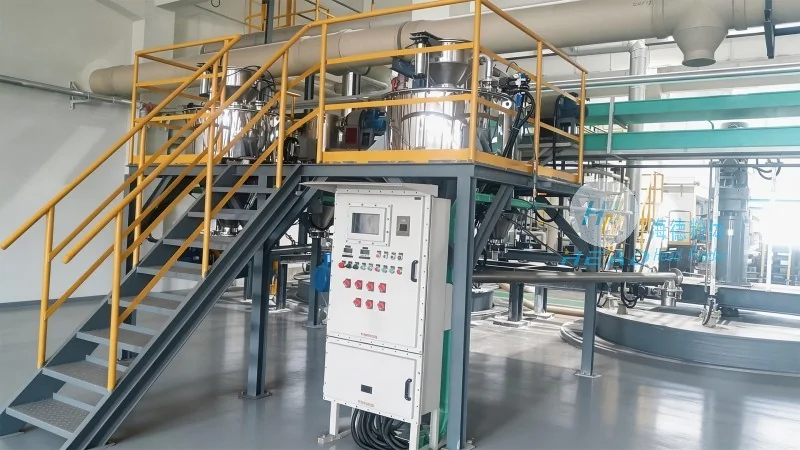
Introduction to Pneumatic Conveying for Clay Sand
Clay sand is a common material used in industries such as foundry, construction, and ceramics. Its handling requires efficient and reliable methods to ensure consistent quality and minimize material loss. Pneumatic conveying offers a solution by transporting dry powders and granular materials through a closed system using air or gas as the conveying medium. This method is particularly effective for clay sand due to its ability to handle fine particles and maintain material integrity during transport.
Key Components of a Pneumatic Conveying System
A typical pneumatic conveying system for clay sand consists of several essential components that work in tandem to achieve efficient material transport. These components include:
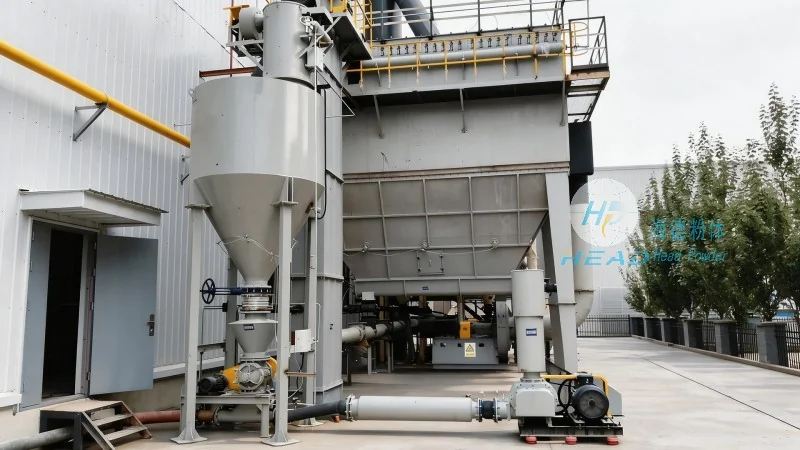
- Feed Hopper: A container that holds the clay sand and regulates the flow of material into the system.
- Air Supply Unit: Compressors or blowers that generate the necessary air pressure to move the material through the pipeline.
- Conveying Pipeline: A network of pipes designed to transport the clay sand from the feed point to the discharge point.
- Separation and Collection Equipment: Devices such as cyclones or filters that separate the material from the air stream and collect it in a designated container.
- Control System: Sensors and controllers that monitor and regulate the operation of the system to ensure optimal performance.
Working Principle of Pneumatic Conveying for Clay Sand
The working principle of a pneumatic conveying system for clay sand involves the creation of a flow of air within the pipeline that lifts and transports the material. When the air supply unit generates sufficient pressure, it draws the clay sand from the feed hopper and propels it through the conveying pipeline. The air and material mixture travels at high velocity, allowing the clay sand particles to be suspended and moved efficiently. At the discharge point, the separation equipment uses centrifugal force or filtration to separate the material from the air, collecting the clay sand in a container while releasing the air back into the system or to the atmosphere.
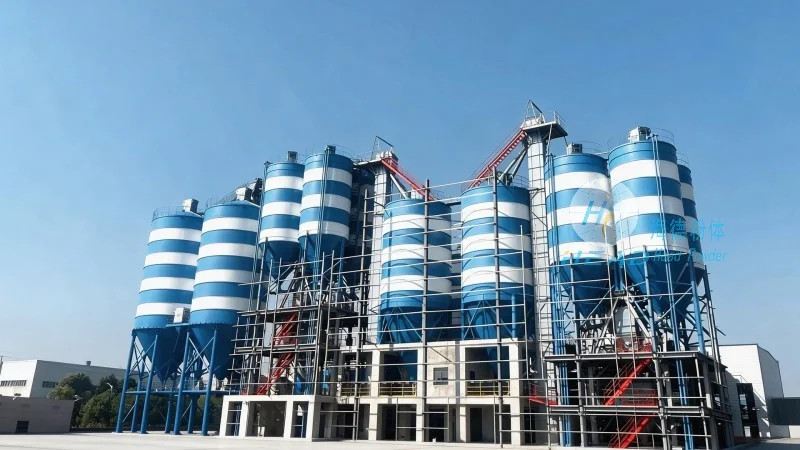
Operation Process of the Pneumatic Conveying System
The operational process of a pneumatic conveying system for clay sand involves several steps to ensure smooth and continuous material transport. The following is a step-by-step overview of the process:
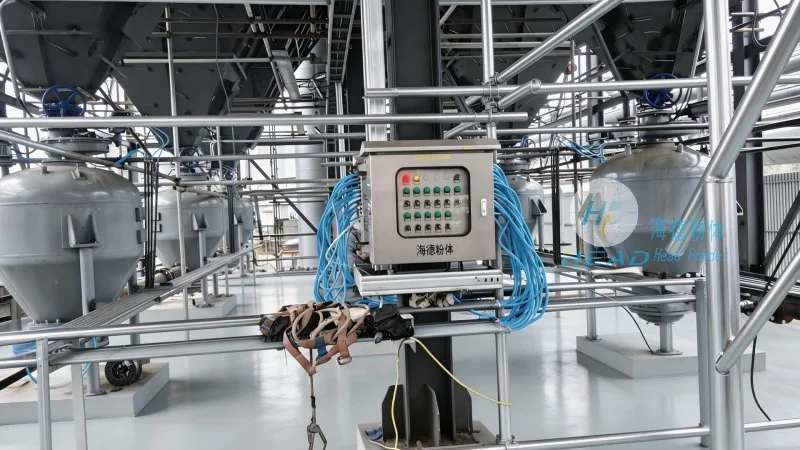
- Preparation and Startup: Before starting the system, the feed hopper is filled with clay sand, and the air supply unit is activated to generate the required air pressure. The control system is then set to the appropriate parameters for the material being conveyed.
- Material Feeding: The clay sand is released from the feed hopper into the conveying pipeline as the air flow begins. The feed rate is controlled to match the system's capacity and ensure stable operation.
- Conveying Phase: The air and clay sand mixture travels through the pipeline at a high velocity, maintaining the material in suspension. The pipeline design, including bends and fittings, is optimized to minimize pressure drop and prevent material deposition.
- Separation and Collection: At the discharge end, the mixture enters the separation equipment. The air stream is directed through a cyclone or filter, where the clay sand particles are separated and collected in a container. The clean air is then discharged or recirculated back into the system.
- Shutdown and Maintenance: When the conveying operation is complete, the system is shut down in a controlled manner. The air supply is turned off, and the material in the pipeline is cleared. Regular maintenance, such as cleaning the separation equipment and checking for wear in the pipeline, is performed to ensure long-term reliability.
Advantages of Pneumatic Conveying for Clay Sand
Pneumatic conveying systems offer several advantages when handling clay sand, making them a preferred choice in many industrial applications:
- Efficiency and Speed: The system can transport clay sand quickly and efficiently over long distances, reducing handling time and labor costs.
- Material Integrity: The enclosed system prevents contamination and loss of material, maintaining the quality of the clay sand.
- Flexibility: Pneumatic conveying systems can be easily adjusted to handle different flow rates and material types, providing flexibility in production processes.
- Environmental Benefits: The system reduces dust emissions compared to traditional methods, contributing to a cleaner and safer working environment.
Conclusion
Shandong HeadPowder Engineering Co., Ltd. specializes in providing customized pneumatic conveying solutions for clay sand materials. By understanding the unique properties of clay sand and designing efficient systems, the company ensures reliable and effective material transport for its clients. The operation process and working principles of these systems are critical to achieving optimal performance and maintaining material quality throughout the conveying process.