

Operation Process and Working Principle of Grain Material Pneumatic Conveying Systems
Grain material pneumatic conveying systems are critical in modern bulk material handling, offering efficient and reliable methods for transporting grain and similar agricultural products. This article provides a detailed overview of the operation process and working principles of such systems, highlighting key components and steps involved in their functionality.
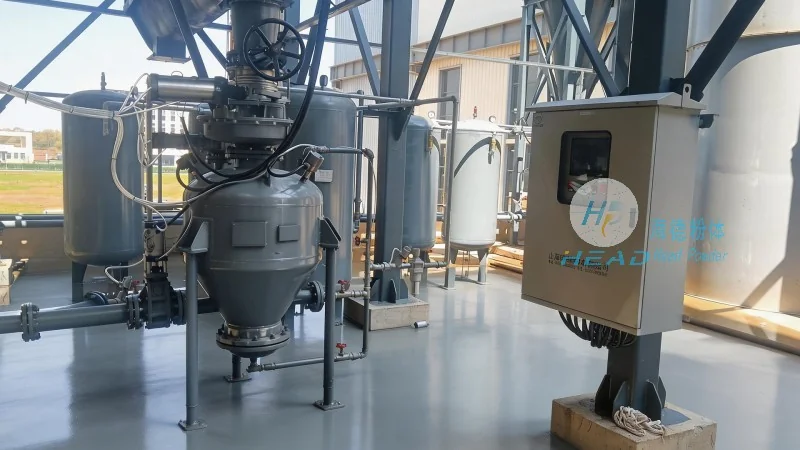
Introduction to Pneumatic Conveying Systems for Grain Materials
Pneumatic conveying systems utilize air or gas to transport bulk materials like grain, flour, and other similar substances through a network of pipes. These systems are widely used in industries including food processing, agriculture, and manufacturing due to their ability to handle materials with minimal degradation and high efficiency. The technology has evolved significantly over the years, with advancements in system design and control mechanisms enhancing performance and safety.
Key Components of a Grain Material Pneumatic Conveying System
The core components of a typical grain material pneumatic conveying system include the material feed hopper, the air supply system (usually a blower or compressor), the conveying pipeline, and the discharge outlet. Each component plays a critical role in the overall operation. The feed hopper ensures a consistent supply of material, while the air supply system generates the necessary pressure or vacuum to move the material through the pipeline. The pipeline network connects the feed point to the discharge point, and the discharge outlet allows the material to be released at the desired location. Additionally, systems may include filters, cyclones, and dust collection units to maintain air quality and prevent material loss.
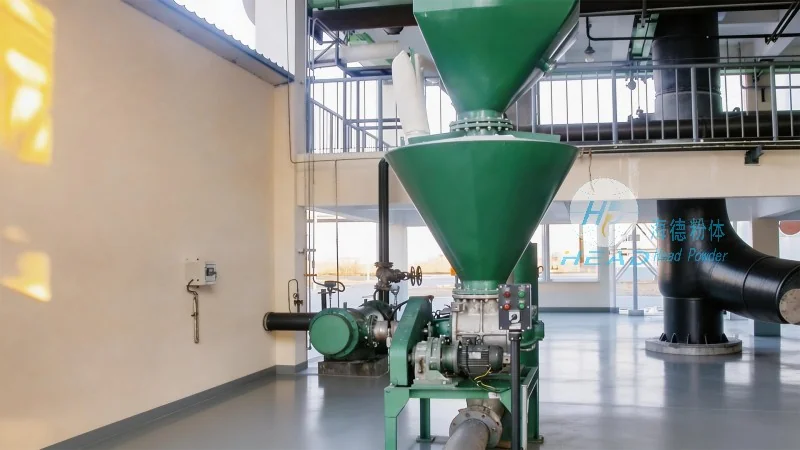
Operation Process of Grain Material Pneumatic Conveying Systems
The operation of a grain material pneumatic conveying system involves sequential steps. First, the grain material is fed into the hopper from a storage silo or other source. The material then falls into the conveying pipeline as the system is activated. The air supply system generates a flow of air, either by creating positive pressure (pressure system) or negative pressure (vacuum system), which propels the material through the pipeline. In a pressure system, the blower pushes air and material together, while in a vacuum system, the vacuum pump draws material and air into the pipeline. The material is carried along the pipeline by the air flow, and the velocity and pressure within the system are carefully controlled to ensure efficient transport without causing material degradation or blockages.
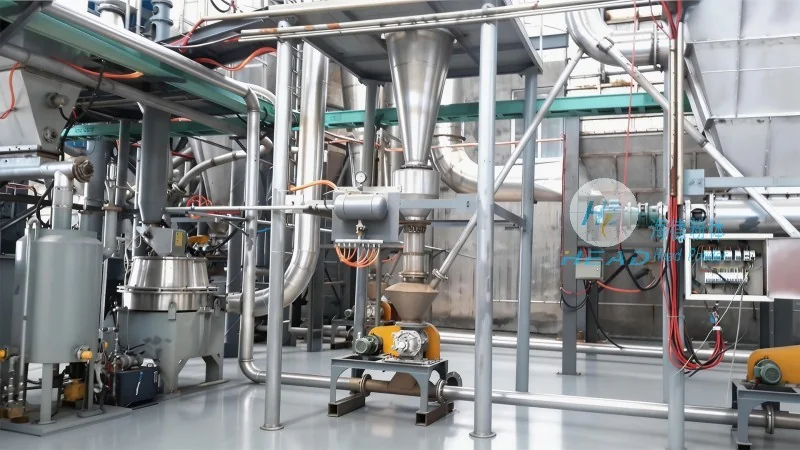
Working Principle of Grain Material Pneumatic Conveying Systems
The working principle of pneumatic conveying systems is based on the interaction between material particles and the air flow. In a pressure system, the air and material are mixed and transported as a slurry, with the air providing the necessary force to move the material. The velocity of the air must be sufficient to overcome gravitational force acting on material particles and maintain them in suspension. In a vacuum system, the air flow draws material into the pipeline, creating a suction effect that pulls the material along. The system's design, including pipe diameter, length, and air flow type (e.g., dilute or dense phase), significantly affects conveying efficiency and material handling capacity.
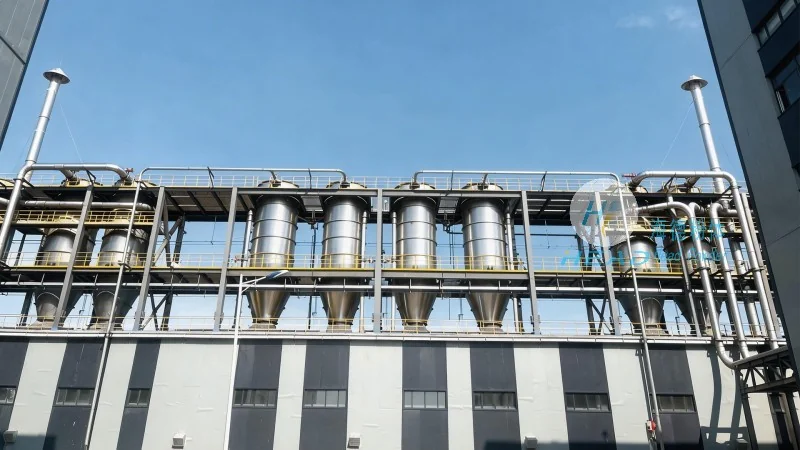
Advantages and Considerations in Grain Material Pneumatic Conveying
Pneumatic conveying systems offer advantages for grain material handling, including high efficiency, minimal material degradation, and the ability to transport materials over long distances. These systems are also relatively compact and can be integrated into existing facilities. However, considerations include proper maintenance of air filters and pumps, potential for material buildup in pipelines, and the need for consistent material quality to avoid blockages. Additionally, system performance can be affected by temperature, humidity, and the type of grain being conveyed.
About Shandong HeadPowder Engineering Co., Ltd.
Shandong HeadPowder Engineering Co., Ltd., commonly known as headpowder, is a leading manufacturer and supplier of pneumatic conveying systems and related equipment. With a focus on innovation and quality, the company has established itself as a trusted partner in the bulk material handling industry. Headpowder's systems are designed to meet specific client needs, ensuring reliable and efficient operation for grain and other material transport. The company's headquarters is located in Shandong, China, where it operates a state-of-the-art manufacturing facility and provides technical support and after-sales services to customers worldwide.