

Operation Process and Working Principle of Rare Earth Powder Material Pneumatic Conveying Equipment
HeadPowder, a leading manufacturer based in Shandong, China, specializes in the design, development, and production of advanced pneumatic conveying systems tailored for the handling of rare earth powder materials. This article provides a detailed overview of the operational process and underlying working principles of such equipment, highlighting the key components, functional stages, and technical considerations that ensure efficient and reliable material transport.
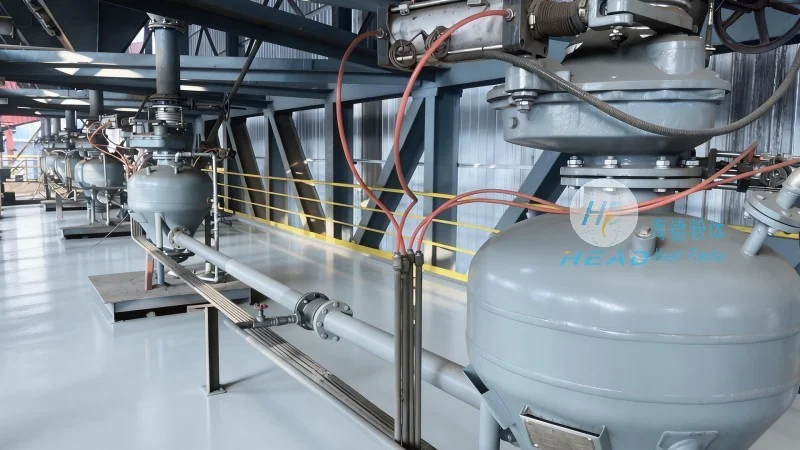
Overview of Rare Earth Powder Pneumatic Conveying Systems
Rare earth powder pneumatic conveying equipment is engineered to transport fine, abrasive, or sensitive powder materials like rare earth oxides, metals, or compounds through a closed pipeline system using air or gas as the conveying medium. The primary goal is to achieve seamless, dust-free, and low-loss material transfer from the source to the destination, which is critical in industrial applications such as rare earth processing, chemical manufacturing, and material handling.
Key Components of the Pneumatic Conveying System
The system typically comprises several core components that work in concert to facilitate material transport. These include a material feeder, a conveying pipeline network, a blower or compressor for air supply, a separation and filtration system, and a discharge or collection unit. Each component plays a vital role in maintaining the integrity of the rare earth powder and ensuring the efficiency of the conveying process.
Operational Process of Rare Earth Powder Pneumatic Conveying
The operation of rare earth powder pneumatic conveying equipment follows a systematic sequence of steps, each designed to optimize material flow and minimize operational risks. The process begins with the feeding of the rare earth powder into the system. The feeder, often a rotary valve or a screw feeder, ensures a consistent and controlled flow of material into the conveying pipeline. This controlled feeding is crucial to prevent blockages and maintain uniform air-powder ratios.
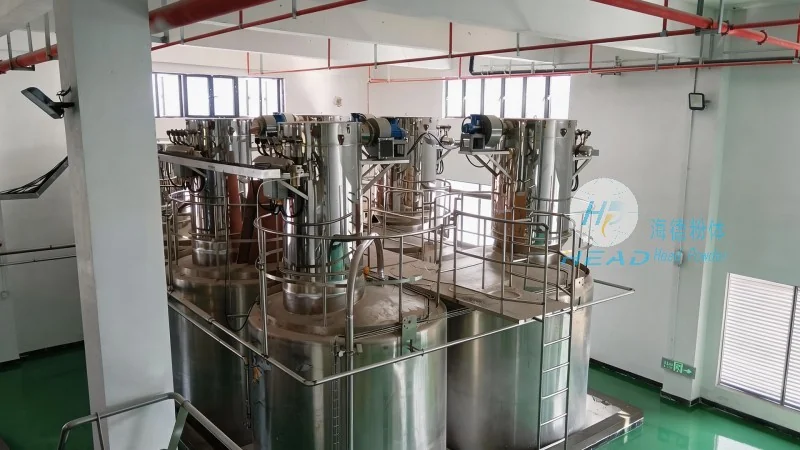
Once the powder is introduced into the pipeline, the blower or compressor generates a high-pressure air stream. This air stream, combined with the powder, forms a dense or dilute phase flow depending on the system design. The air-powder mixture travels through the pipeline network, which may include bends, expansions, or contractions, to reach the destination point. The pipeline design is carefully engineered to minimize pressure losses and ensure smooth material transport.
At the receiving end, the system employs a separation and filtration system to separate the air from the powder. This is typically achieved through a cyclone separator or a bag filter, which captures the fine powder and returns it to the process while releasing the clean air back into the environment. The separated powder is then discharged into a collection bin or directly into the next processing stage.
Working Principle of Pneumatic Conveying for Rare Earth Powders
The fundamental working principle of rare earth powder pneumatic conveying relies on the interaction between the powder particles and the air stream. In a positive pressure system, the blower supplies compressed air that pushes the powder through the pipeline. The air velocity is maintained above the minimum fluidization velocity of the powder to prevent settling or clogging. Conversely, in a negative pressure (or suction) system, the blower creates a vacuum that draws the powder into the pipeline. Both systems are designed to handle the unique properties of rare earth powders, such as their fine particle size, high density, and potential for static charge accumulation.
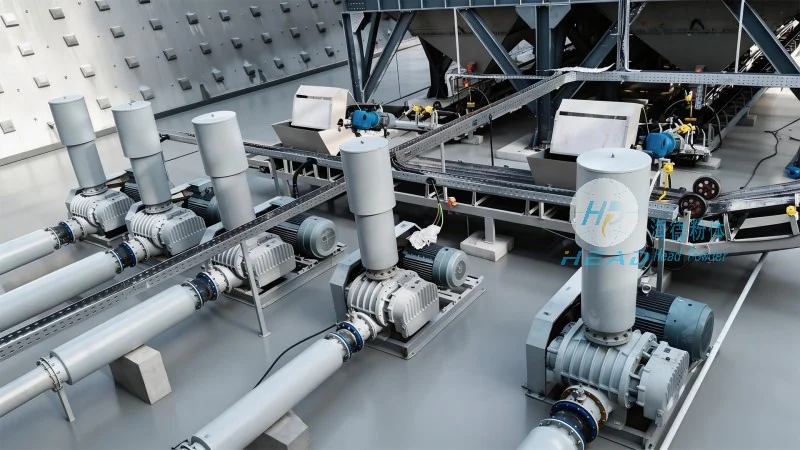
The system's efficiency is influenced by several factors, including the air velocity, the air-powder ratio, the pipeline diameter, and the length of the conveying line. Proper selection of these parameters is essential to avoid material degradation, equipment wear, or excessive energy consumption. For rare earth powders, which are often sensitive to moisture or contamination, the system is equipped with sealed components and filtration to maintain material purity.
Advantages and Technical Considerations
Using pneumatic conveying for rare earth powder handling offers several advantages over traditional methods like belt conveyors or bucket elevators. These include the ability to transport materials in a dust-free environment, reduced risk of product contamination, and the flexibility to handle materials in various forms (e.g., powders, granules, or slurries). However, the system requires careful consideration of factors such as air pressure, flow rates, and material properties to ensure optimal performance.
Shandong HeadPowder Engineering Co., Ltd. leverages advanced engineering and manufacturing capabilities to design customized pneumatic conveying solutions that meet the specific needs of rare earth processing industries. By integrating robust components, efficient control systems, and adherence to industry standards, the company ensures that its equipment delivers reliable, high-performance material transport for rare earth powder applications.