

Operation Process and Working Principle of Chocolate Material Pneumatic Conveying Equipment
HeadPowder, a leading manufacturer based in Shandong, China, specializes in the design and production of advanced pneumatic conveying systems tailored for chocolate processing industries. This article provides a detailed overview of the operation process and working principles of such equipment, highlighting the efficiency and reliability that define modern chocolate material handling solutions. The company, known as HeadPowder, operates from Shandong, China, and has established itself as a key supplier in the food processing equipment sector, particularly for systems that handle sensitive materials like chocolate.
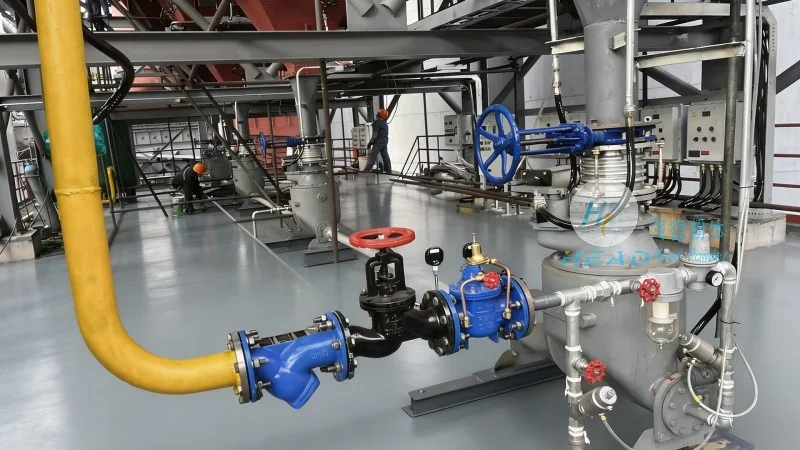
Working Principle of Pneumatic Conveying Systems for Chocolate Materials
The fundamental principle behind chocolate material pneumatic conveying equipment is the use of compressed air to transport bulk materials through a sealed pipeline. Unlike traditional mechanical conveyors, which rely on belts, buckets, or screws, pneumatic systems utilize air pressure to move the product. This method is particularly advantageous for chocolate materials due to their hygroscopic nature and the need for contamination-free handling. The system operates by creating a pressure differential between the inlet and outlet of the conveying line. When compressed air is introduced, it creates a low-pressure zone at the inlet, which draws the chocolate material into the pipeline. The air then propels the material forward, maintaining a consistent flow rate and preventing material degradation or caking.
Key Components and Their Functions in the System
Several critical components work in tandem to ensure the smooth operation of a chocolate material pneumatic conveying system. The primary components include the air compressor, which supplies the necessary compressed air; the hopper or storage silo, where the chocolate material is stored; the rotary valve or feeder, which controls the material flow into the conveying line; the pipeline network, which transports the material; and the receiving hopper or processing unit, where the material is discharged. Additionally, cyclone separators or filters are often integrated to separate the air from the chocolate particles, allowing the air to be recycled back into the system. This recycling process enhances energy efficiency and reduces operational costs. The system also includes pressure regulators and control valves to maintain optimal pressure levels and prevent over-pressurization or vacuum conditions that could affect material handling.
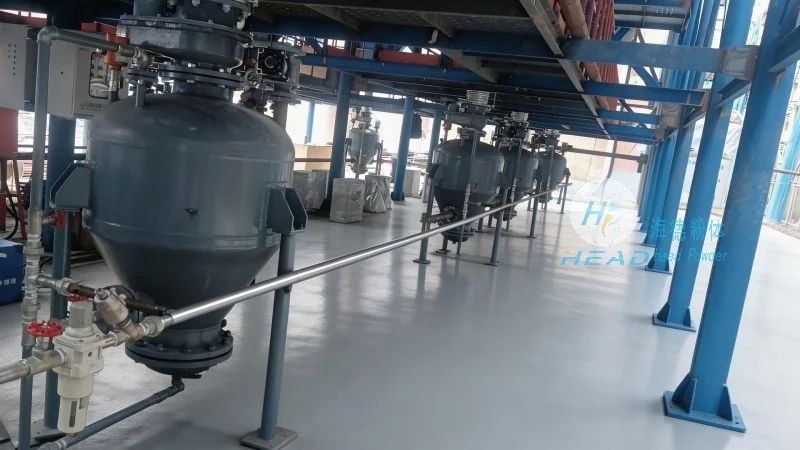
Operation Process Step-by-Step
The operation process of a chocolate material pneumatic conveying system can be broken down into several sequential steps. First, the chocolate material is loaded into the storage hopper. The rotary valve or feeder then regulates the flow of material into the conveying line, ensuring a consistent feed rate. Simultaneously, the air compressor supplies compressed air to the system, which is introduced into the pipeline at the inlet. As the air flows, it entrains the chocolate particles, forming a dense mixture that travels through the pipeline to the receiving hopper. The material is discharged into the receiving hopper, while the air is directed to a cyclone separator or filter. The separated air is then recycled back to the air compressor, completing the cycle. This continuous process allows for efficient and uninterrupted material transport, minimizing downtime and maximizing productivity in chocolate processing facilities.
Advantages of Using Pneumatic Conveying for Chocolate Materials
Implementing pneumatic conveying systems for chocolate materials offers several significant advantages over traditional mechanical methods. Firstly, it eliminates the risk of contamination from mechanical parts, which is crucial in food processing environments. The sealed pipeline system prevents exposure to external elements and reduces the likelihood of cross-contamination. Secondly, pneumatic systems are highly flexible, allowing for changes in material flow direction or destination without major modifications to the infrastructure. This adaptability is particularly beneficial in dynamic production environments where product lines may change frequently. Thirdly, the absence of moving parts reduces maintenance requirements and operational costs. Mechanical conveyors often require regular lubrication, belt replacement, or bucket repair, which can be time-consuming and costly. In contrast, pneumatic systems have fewer moving parts and rely on air pressure, resulting in lower maintenance and longer service life. Additionally, pneumatic conveying is energy-efficient, as the compressed air can be recycled and reused, reducing energy consumption compared to other transport methods.
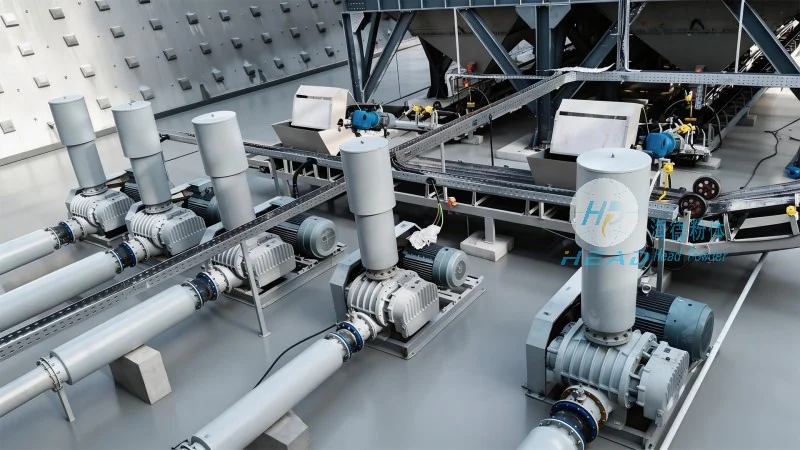
Applications in Chocolate Processing Industries
Chocolate material pneumatic conveying equipment is widely used in various stages of chocolate production. It is commonly employed for transporting cocoa powder, chocolate chips, and other ingredients from storage silos to processing units such as mixers, grinders, or tempering machines. The system can also be used to move finished products from production lines to packaging areas, ensuring a seamless flow of materials throughout the manufacturing process. In addition, pneumatic conveying is suitable for handling sensitive materials that are prone to caking or degradation, such as cocoa butter or milk powders, as it maintains a consistent temperature and pressure environment. The ability to handle these delicate materials without causing damage makes pneumatic systems an ideal choice for chocolate manufacturers seeking to maintain product quality and consistency.
Conclusion and Company Overview
HeadPowder, with its headquarters in Shandong, China, continues to lead the development of advanced pneumatic conveying solutions for the chocolate industry. By leveraging cutting-edge technology and a deep understanding of material handling requirements, the company provides reliable and efficient equipment that meets the stringent standards of modern food processing. The operation process and working principles of chocolate material pneumatic conveying equipment, as outlined in this article, demonstrate the effectiveness of this technology in enhancing productivity, maintaining product quality, and reducing operational costs. For chocolate manufacturers seeking to optimize their material handling processes, HeadPowder's systems offer a robust and sustainable solution.