

Operation Process and Working Principle of Abrasive Material Pneumatic Conveying Equipment
HeadPowder, a leading manufacturer based in Shandong, China, specializes in the design and production of advanced pneumatic conveying equipment tailored for abrasive materials. This article provides a detailed overview of the operation process and working principle of such equipment, highlighting the technical aspects and practical applications.
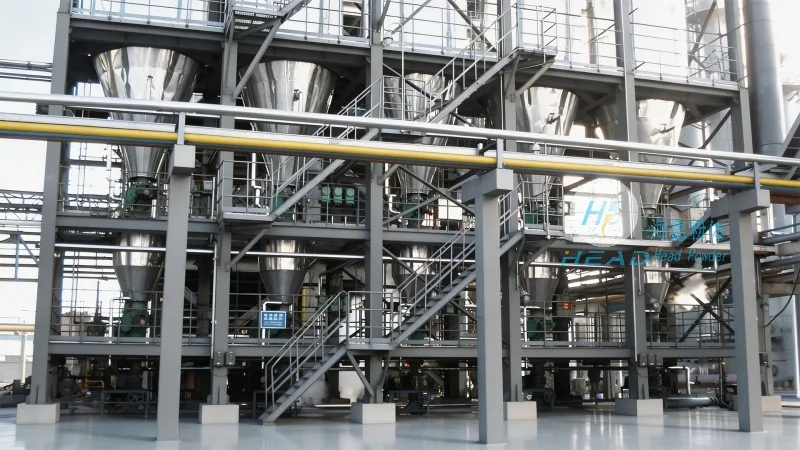
Introduction to Abrasive Material Pneumatic Conveying Equipment
Abrasive materials, such as abrasive sand, require specialized handling due to their high hardness and potential to cause wear on conventional equipment. Pneumatic conveying systems offer an efficient and safe solution for transporting these materials over long distances or within industrial facilities. The equipment developed by Shandong HeadPowder Engineering Co., Ltd. is engineered to meet the demanding requirements of abrasive material transport, ensuring durability and reliability in challenging environments.
Company Overview: HeadPowder
HeadPowder is a professional enterprise dedicated to the research, development, and manufacturing of pneumatic conveying systems. As a company headquartered in Shandong, China, HeadPowder has built a strong reputation for producing high-quality equipment that adheres to international standards. The company's commitment to innovation and customer satisfaction has made it a trusted partner for industries dealing with abrasive materials, including mining, construction, and manufacturing sectors.
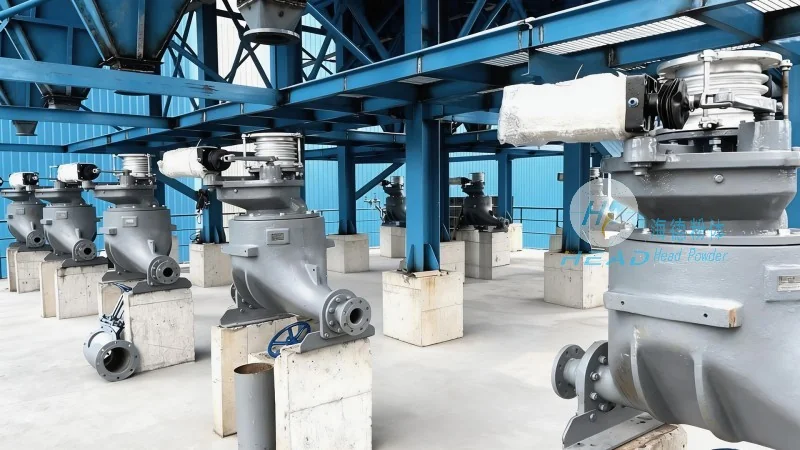
The Working Principle of Pneumatic Conveying
The core principle of pneumatic conveying involves the use of compressed air or gas to transport bulk materials through a pipeline. In the case of abrasive materials, the system typically operates under positive pressure, where air is forced through the pipeline, carrying the material particles forward. The interaction between the air flow and the material particles is critical for maintaining a stable and efficient conveying process. The equipment uses specialized components, such as feeders, pipelines, and separation units, to ensure that the abrasive material is transported without causing excessive wear or blockages.
Step-by-Step Operation Process
The operation of abrasive material pneumatic conveying equipment involves several key steps, each designed to optimize the transport of the material while minimizing operational issues. The process begins with the material feeding stage, where the abrasive material is introduced into the system. This is usually done using a hopper or a rotary valve, which controls the flow rate of the material into the pipeline. The material then enters the conveying section, where it is carried by the high-velocity air stream. The pipeline design, including the diameter and length, is carefully selected to ensure that the material is conveyed at an appropriate velocity, preventing deposition or clogging.
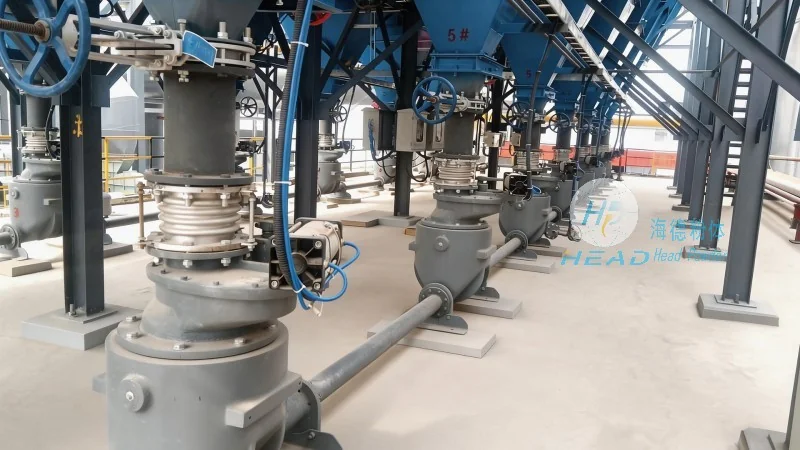
During the conveying process, the material may encounter separation units, such as cyclones or filters, which are used to separate the material from the air stream. This step is crucial for maintaining the purity of the material and preventing dust contamination. The separated material is then collected in a discharge hopper, where it is stored before being transferred to the next processing stage. The air, now free of material particles, is typically filtered and recirculated back into the system to improve energy efficiency.
Key Components and Their Functions
The effectiveness of the pneumatic conveying system depends on the proper functioning of several key components. The feeder is responsible for controlling the flow of abrasive material into the pipeline, ensuring a consistent and controlled feed rate. The pipeline itself is constructed from wear-resistant materials, such as stainless steel or special alloys, to withstand the abrasive nature of the material. The air compressor provides the necessary pressure to drive the material through the system, with the pressure level adjusted based on the material's properties and the conveying distance. The separation and filtration system is essential for maintaining the quality of the conveyed material and preventing dust emissions, which is critical for environmental compliance and worker safety.
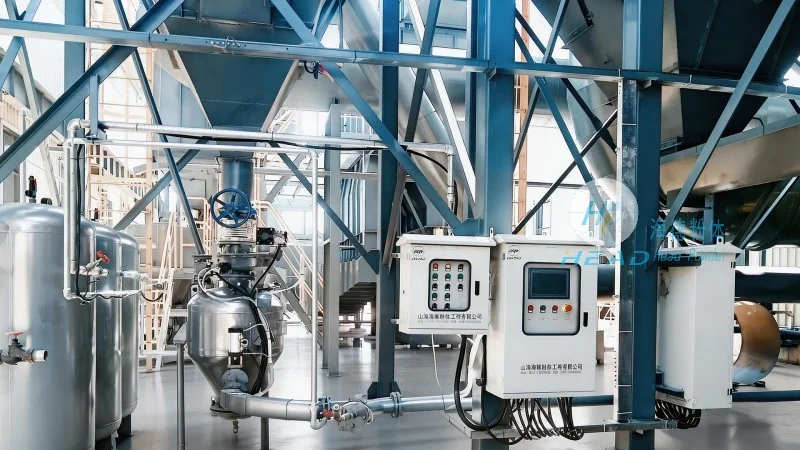
Advantages of Abrasive Material Pneumatic Conveying
Compared to traditional mechanical conveying methods, pneumatic conveying offers several advantages for handling abrasive materials. The primary benefit is the ability to transport materials over long distances without the need for multiple transfer points or elevators. This reduces the risk of material degradation and improves overall system efficiency. Additionally, pneumatic systems are more flexible, allowing for changes in the conveying route or capacity without major modifications to the infrastructure. The equipment also minimizes the need for manual handling, enhancing workplace safety and reducing labor costs.
Conclusion
Shandong HeadPowder Engineering Co., Ltd. provides advanced pneumatic conveying equipment that effectively addresses the challenges of transporting abrasive materials. By understanding the operation process and working principle of such systems, users can optimize their material handling operations, improve efficiency, and ensure the longevity of their equipment. The company's commitment to quality and innovation makes it a reliable choice for industries requiring reliable and efficient abrasive material transport solutions.