

Operation Process and Working Principle of Pneumatic Conveying Equipment for Styrene Material
HeadPowder, a leading provider of industrial material handling solutions, specializes in the design, manufacturing, and installation of advanced pneumatic conveying systems tailored for the transportation of styrene material. Based in Shandong, China, the company leverages decades of expertise to deliver reliable and efficient equipment that meets the stringent demands of modern chemical processing industries.
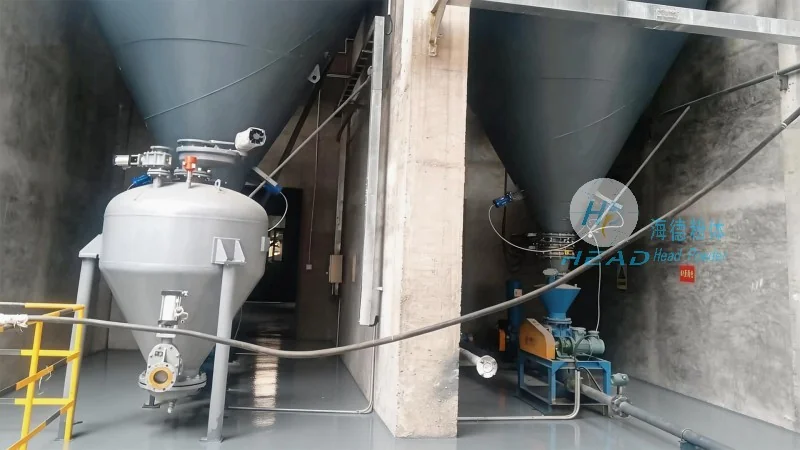
Overview of Pneumatic Conveying Systems for Styrene
Pneumatic conveying equipment for styrene material is a critical component in many industrial applications, enabling the safe and efficient transfer of this volatile chemical from storage to processing units. The system operates by using compressed air or other gases to move the material through a network of pipes, ensuring minimal product degradation and maintaining a controlled environment. HeadPowder's systems are engineered to handle the unique properties of styrene, such as its low viscosity and potential for static accumulation, by incorporating specialized components like static eliminators and temperature-controlled pipelines.
Key Components and Their Functions
The core of a pneumatic conveying system for styrene includes several essential components that work in tandem to ensure smooth operation. The primary elements are the material feed hopper, which holds the styrene and controls the flow rate; the air supply unit, which generates the necessary pressure and volume of air; the conveying line, which transports the material; and the discharge hopper or receiver, which collects the material at the destination. Each component is designed with precision to handle the specific characteristics of styrene, such as its tendency to adhere to surfaces or its sensitivity to temperature changes. For instance, the feed hopper may be equipped with a rotary valve to prevent material buildup and ensure a consistent feed rate, while the conveying line is often made of corrosion-resistant materials like stainless steel to withstand the chemical properties of styrene.
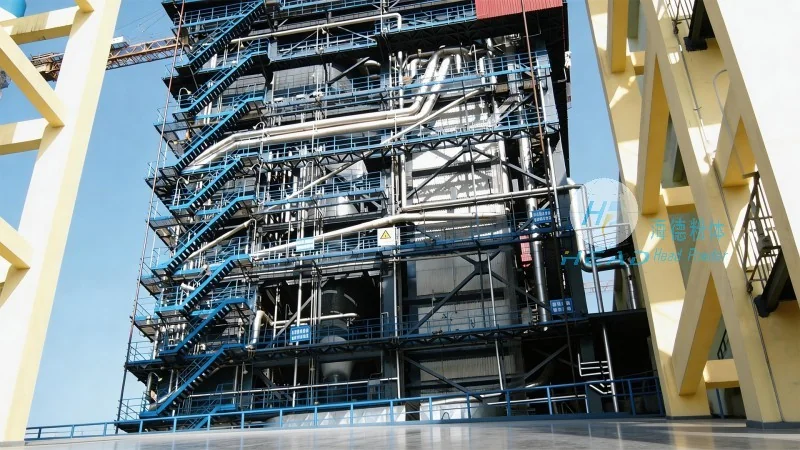
Operation Process of the Pneumatic Conveying System
The operation of a pneumatic conveying system for styrene typically follows a sequence of steps that ensure the material is transferred safely and efficiently. The process begins with the loading of styrene into the feed hopper. A rotary valve then regulates the flow of material into the conveying line, where it is mixed with the compressed air. The air, now carrying the styrene particles, is then propelled through the pipeline to the discharge point. At the receiving end, the air and material are separated, with the air being filtered and recirculated or vented, while the styrene is collected in the discharge hopper. HeadPowder's systems are designed to optimize this process, minimizing energy consumption and maximizing throughput. The control system monitors key parameters like pressure, flow rate, and temperature, allowing for real-time adjustments to maintain optimal performance.
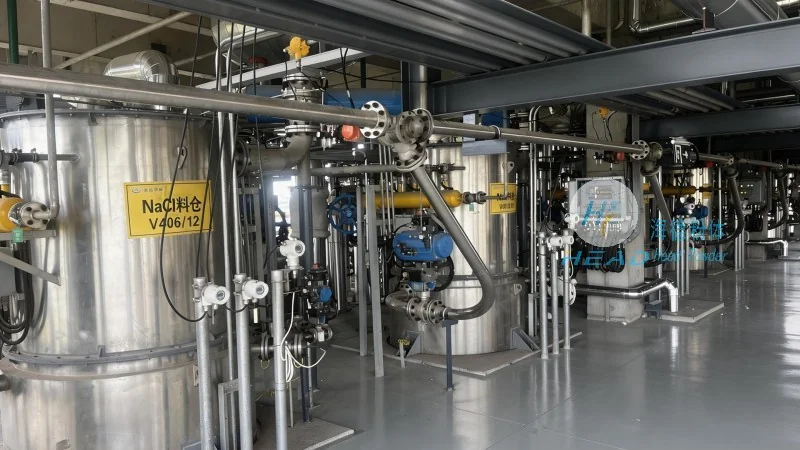
Working Principle of the Equipment
The working principle of pneumatic conveying equipment for styrene is based on the fundamental physics of fluid dynamics and particle transport. When compressed air is introduced into the conveying line, it creates a pressure differential that propels the styrene particles forward. The velocity of the air and the size of the particles determine the conveying efficiency, with larger particles requiring higher air velocities to maintain suspension. HeadPowder's systems utilize a combination of positive and negative pressure conveying methods, depending on the application requirements. Positive pressure systems use compressed air to push the material through the line, while negative pressure systems use suction to draw the material. This flexibility allows the equipment to be adapted to various process conditions, such as long-distance transport or vertical lifting. The system also incorporates features like airlocks and check valves to prevent backflow and ensure the material is transferred in a single direction, maintaining the integrity of the process.
Benefits and Applications
Implementing a pneumatic conveying system for styrene material offers numerous benefits to industrial operations. The primary advantage is the ability to transfer the material in a closed system, which reduces exposure to contaminants and minimizes the risk of product contamination. This is particularly important for styrene, which is a key raw material in the production of polystyrene and other plastics. Additionally, the system eliminates the need for manual handling, reducing labor costs and improving workplace safety. The equipment also provides consistent and reliable material flow, which enhances production efficiency and reduces downtime. HeadPowder's systems are widely used in the chemical, petrochemical, and plastics manufacturing industries, where the transportation of styrene is a critical step in the production process. Whether for short-distance or long-distance transport, the company's equipment is designed to meet the specific needs of each application, ensuring optimal performance and cost-effectiveness.