

Operation Process and Working Principle of High-Pressure Dilute-Phase Material Pneumatic Conveying L
High-pressure dilute-phase material pneumatic conveying lines are sophisticated systems designed to transport bulk materials efficiently over long distances. These systems are widely used in various industrial sectors, including chemical, pharmaceutical, food processing, and mining, due to their ability to handle a wide range of materials with minimal product degradation. As a leading provider in the field, Shandong HeadPowder Engineering Co., Ltd. specializes in designing and manufacturing high-quality high-pressure dilute-phase pneumatic conveying systems tailored to meet the specific needs of industrial clients.
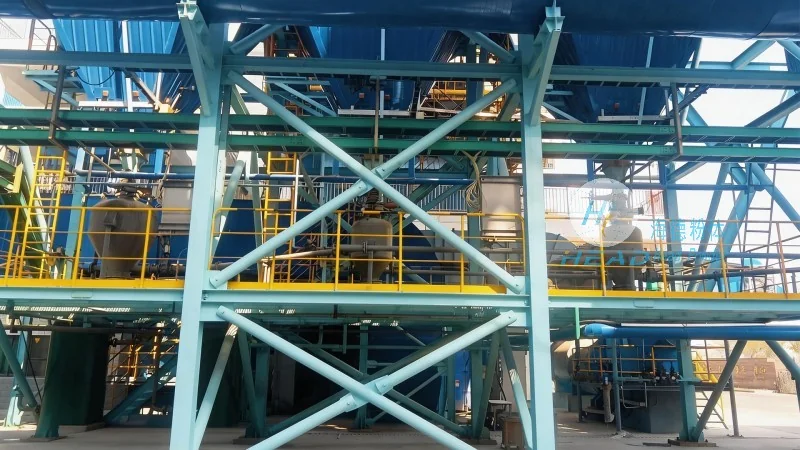
Introduction to High-Pressure Dilute-Phase Pneumatic Conveying
High-pressure dilute-phase pneumatic conveying systems utilize compressed air or other gases to transport particulate materials in a dispersed state. Unlike dense-phase systems where materials are conveyed in a slurry or semi-solid form, dilute-phase systems operate with materials suspended in the gas stream, typically at a concentration of less than 10% by volume. This design allows for higher conveying velocities and longer transport distances while maintaining low pressure differentials across the system.
Key Components of a High-Pressure Dilute-Phase Pneumatic Conveying Line
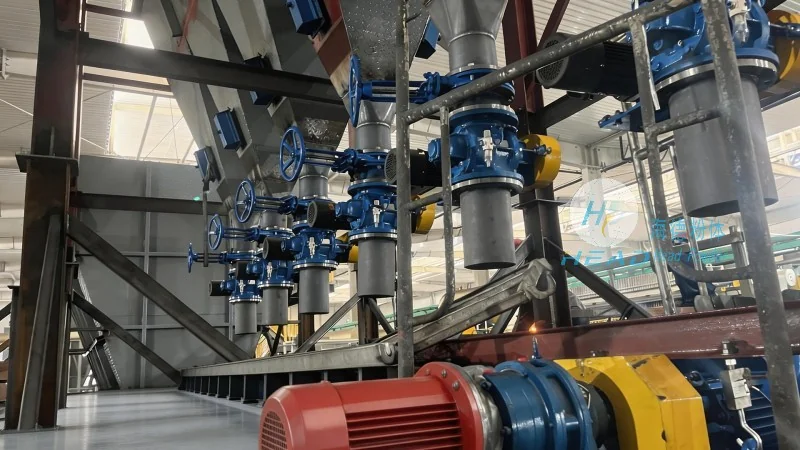
The core components of a high-pressure dilute-phase system include a compressor or blower to generate the necessary air pressure, a material feed hopper with a feeder (such as a rotary valve or screw feeder) to introduce the material into the system, a pipeline network to transport the material, and a receiver or discharge hopper to collect the material at the destination. Additional components may include filters to remove dust from the exhaust air, pressure regulators to maintain consistent air pressure, and safety valves to prevent over-pressurization.
Operation Process of High-Pressure Dilute-Phase Material Conveying
The operation process of a high-pressure dilute-phase system involves several sequential steps. First, the material is fed from the hopper into the feeder, which controls the flow rate of the material. Simultaneously, the compressor supplies compressed air to the pipeline. The feeder then introduces the material into the air stream, creating a dilute mixture that travels through the pipeline. The mixture is accelerated by the high-pressure air, allowing it to be transported to the receiver. At the receiver, the material is separated from the air through a cyclone or other separation device, and the air is then filtered and discharged.
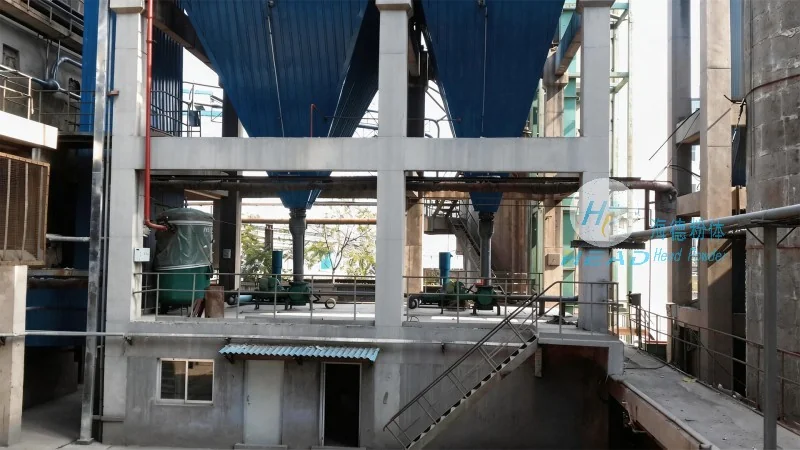
Working Principle of High-Pressure Dilute-Phase Pneumatic Conveying
The working principle of high-pressure dilute-phase conveying is based on the principle of fluidization and momentum transfer. The compressed air provides the necessary kinetic energy to lift and transport the material particles. The air velocity in the pipeline must be sufficient to overcome the gravitational force acting on the particles and to maintain them in a suspended state. The pressure drop along the pipeline is a critical parameter, as it determines the power required to operate the system and the maximum conveying distance. Proper design of the system ensures that the pressure drop is minimized while maintaining the required air velocity for efficient material transport.
Advantages of High-Pressure Dilute-Phase Pneumatic Conveying
High-pressure dilute-phase systems offer several advantages over other material handling methods. These include the ability to transport materials over long distances with minimal maintenance, the reduction of product contamination and degradation due to the absence of mechanical contact, and the flexibility to handle a wide variety of materials, including fine powders and abrasive particles. Additionally, these systems can be easily integrated into existing production lines and can operate continuously, improving overall production efficiency.
Applications and Industries
High-pressure dilute-phase pneumatic conveying lines are used in a variety of industrial applications. In the chemical industry, they are used to transport raw materials and finished products, such as powders and granules. In the pharmaceutical industry, they are employed to handle sterile powders and ensure contamination-free transport. The food processing industry utilizes these systems to convey ingredients and finished products, maintaining hygiene and product quality. In the mining sector, they are used to transport ore and other minerals from processing plants to storage facilities or for further processing.
Maintenance and Safety Considerations
Maintaining the performance and safety of high-pressure dilute-phase systems is essential for their long-term operation. Regular maintenance includes checking the compressor and blower for proper operation, inspecting the feeder and hopper for material buildup or blockages, and cleaning the filters to prevent clogging. Safety considerations include ensuring proper ventilation to remove dust and fumes, installing pressure relief valves to prevent over-pressurization, and using appropriate personal protective equipment (PPE) when working with the system. Proper training of operators and adherence to safety protocols are critical to preventing accidents and ensuring the safe operation of the system.
Conclusion
High-pressure dilute-phase material pneumatic conveying lines are efficient and reliable systems for transporting bulk materials in various industrial applications. Understanding the operation process and working principles of these systems is essential for optimizing their performance and ensuring safe and effective material handling. With proper design, operation, and maintenance, these systems can provide significant benefits to industrial operations, including improved efficiency, reduced product loss, and enhanced safety.