

Operation Process and Working Principle of High-Pressure Material Pneumatic Conveying Lines
High-pressure material pneumatic conveying lines are advanced industrial systems designed to transport bulk materials efficiently and reliably over long distances. These systems utilize compressed air or other gases to move powders, granules, and other particulate materials from one location to another, offering significant advantages over traditional mechanical conveyors in terms of flexibility, cleanliness, and reduced maintenance requirements. The operation of such lines involves a series of coordinated steps that ensure optimal material handling performance.
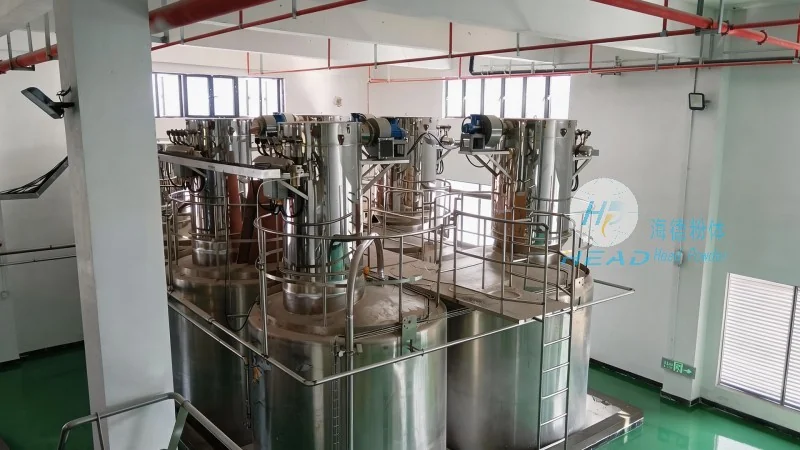
Key Components and Their Functions
The core components of a high-pressure pneumatic conveying system include the material feed hopper, the air compressor or blower, the conveying line (typically made of stainless steel or other corrosion-resistant materials), and the receiving hopper or silo. Each component plays a critical role in the overall system operation. The feed hopper stores and feeds the material into the conveying line, while the air compressor generates the necessary pressure to propel the material through the pipeline. The conveying line transports the material under pressure, and the receiving hopper collects the material at the destination. Additional components such as filters, cyclones, and control valves may be included to enhance system efficiency and safety.
Operation Process: Step-by-Step Explanation
The operation of a high-pressure material pneumatic conveying line typically follows a structured sequence to ensure smooth material transport. First, the material is loaded into the feed hopper. Then, the air compressor is activated, and compressed air is introduced into the conveying line. The compressed air creates a pressure differential that propels the material forward. As the material moves through the pipeline, it is mixed with the air, forming a dense phase or dilute phase flow, depending on the system design and material characteristics. The receiving hopper collects the material once it reaches the destination. The system may also include a filter to separate any air from the material before it is stored or processed further. This step-by-step process ensures consistent and reliable material transport, minimizing downtime and maximizing productivity.
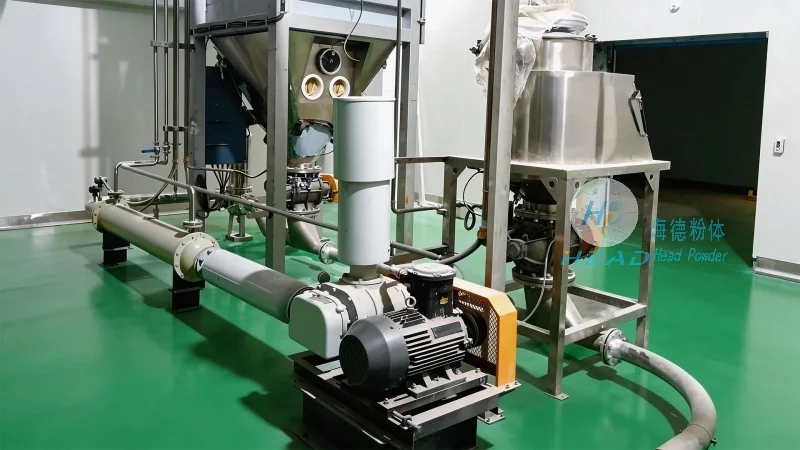
Working Principle: How High-Pressure Conveying Works
The working principle of high-pressure pneumatic conveying is based on the principles of fluid dynamics and pressure differentials. When compressed air is introduced into the conveying line, it creates a high-pressure environment that exerts force on the material particles. This force overcomes the gravitational and frictional forces acting on the material, allowing it to be transported through the pipeline. The system can operate in either positive pressure or negative pressure modes, but high-pressure systems typically use positive pressure to ensure efficient material movement. The key to effective high-pressure conveying is maintaining the correct air-to-material ratio, which balances the pressure and flow rates to achieve optimal transport efficiency. This ratio is critical for preventing material blockages, ensuring consistent flow, and minimizing energy consumption.
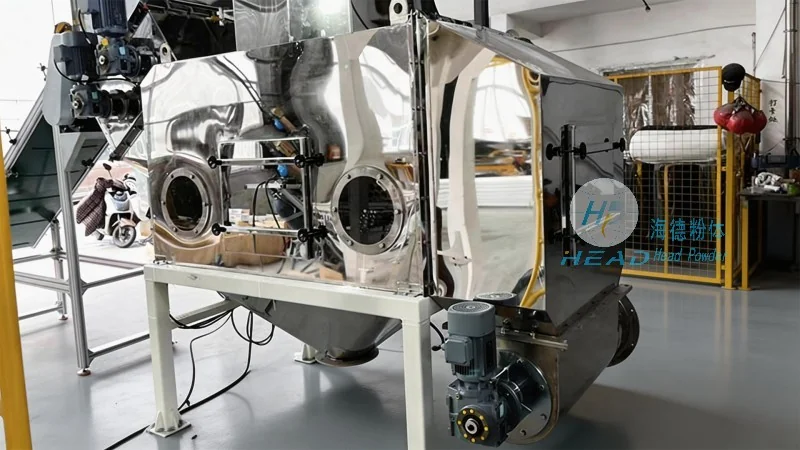
Advantages of High-Pressure Pneumatic Conveying
High-pressure material pneumatic conveying lines offer several advantages over traditional conveying methods. These include the ability to transport materials over long distances without the need for intermediate transfer points, which reduces the risk of material contamination and loss. The systems are also highly flexible, allowing for changes in material type or destination without significant modifications. Additionally, high-pressure conveying is suitable for handling a wide range of materials, including abrasive, corrosive, or temperature-sensitive products, as the material is contained within the pipeline and protected from external factors. The systems are also relatively clean and hygienic, making them ideal for food and pharmaceutical applications. Furthermore, high-pressure conveying reduces the need for manual handling, improving workplace safety and reducing labor costs.
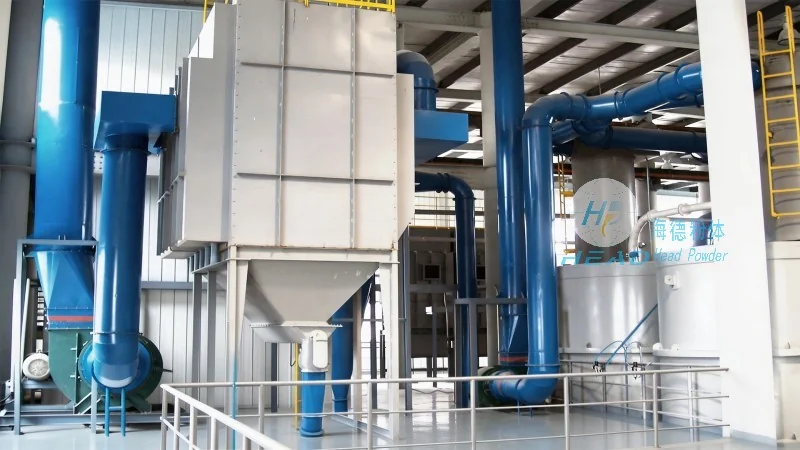
Applications and Industries
High-pressure material pneumatic conveying lines are widely used in various industries, including chemical, pharmaceutical, food processing, and mining. In the chemical industry, these systems are used to transport powders and granules for manufacturing processes, such as mixing, blending, and packaging. In the pharmaceutical industry, high-pressure conveying is essential for handling raw materials and finished products, ensuring compliance with stringent hygiene and safety standards. The food processing industry utilizes these systems for transporting ingredients like flour, sugar, and spices, maintaining product quality and preventing contamination. In the mining sector, high-pressure conveying is used to transport bulk materials like ore and coal from mines to processing facilities. The versatility and efficiency of high-pressure pneumatic conveying make it a preferred choice for industries requiring reliable and efficient material handling solutions.
Maintenance and Operational Considerations
Proper maintenance is crucial for ensuring the long-term performance and reliability of high-pressure material pneumatic conveying lines. Regular inspection of components such as the air compressor, conveying line, and filters is necessary to identify and address potential issues before they lead to system failures. The air compressor should be checked for proper pressure and airflow, while the conveying line should be inspected for signs of wear or damage. Filters should be cleaned or replaced regularly to prevent clogging and maintain efficient material transport. Operational considerations also include monitoring the air-to-material ratio to ensure optimal performance and preventing material buildup in the system. By following proper maintenance procedures and operational guidelines, users can maximize the lifespan of their high-pressure conveying systems and minimize downtime.