

Operation Process and Working Principle of Pneumatic Conveying Equipment for Refractory Material Han
Shandong HeadPowder Engineering Co., Ltd., commonly known as headpowder, is a professional manufacturer and supplier specializing in the design, production, and installation of pneumatic conveying systems for various industrial applications. With a strong focus on quality and innovation, the company has established itself as a reliable partner in the refractory material handling sector. Headquartered in Shandong, China, the company leverages its extensive industry experience to deliver customized solutions that meet the unique demands of clients worldwide.
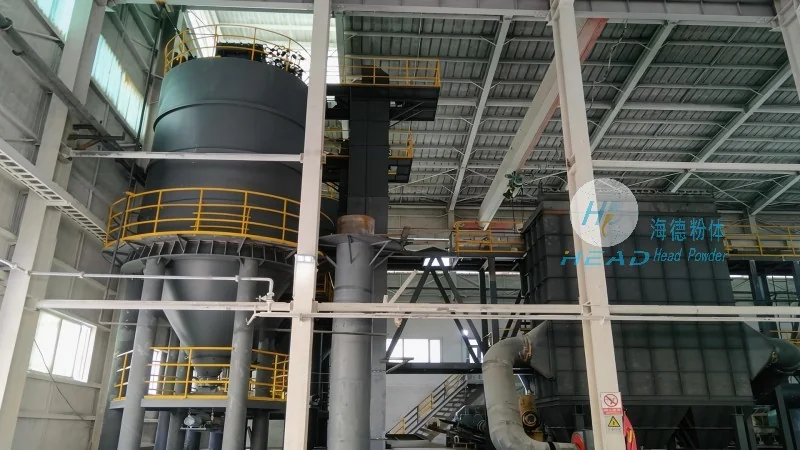
Pneumatic Conveying Systems for Refractory Materials
Pneumatic conveying equipment is a critical component in the processing and transportation of refractory materials, which are widely used in high-temperature industrial environments such as steelmaking, cement production, and glass manufacturing. These materials, including raw materials like silica, alumina, and other mineral powders, require efficient and reliable handling to ensure smooth production workflows. Pneumatic conveying systems offer a non-contact, dust-free, and energy-efficient method to transport these materials over long distances, making them an ideal choice for modern industrial operations.
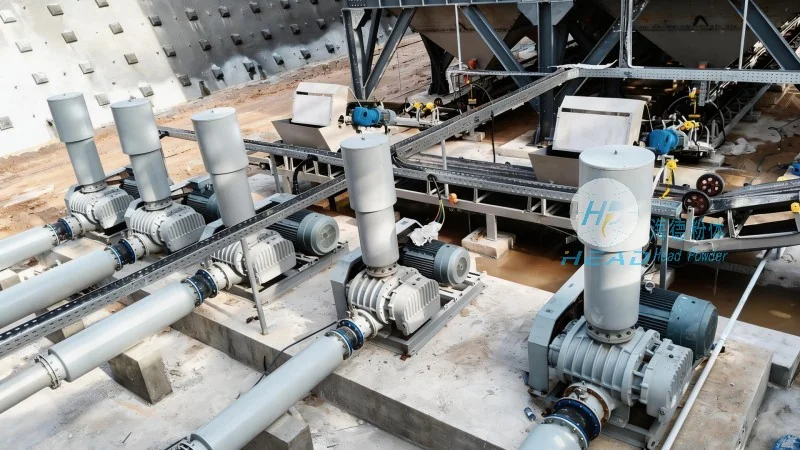
Operation Process of Pneumatic Conveying Equipment
The operation of pneumatic conveying equipment for refractory materials involves several key steps that ensure efficient material transport. The process typically begins with the loading of the refractory material into a hopper or storage silo. From there, the material is fed into a conveyor line using a rotary valve or feeder, which controls the flow rate and consistency. The material then enters the conveying pipeline, where it is propelled by a high-pressure air stream generated by a blower or compressor. The air stream carries the material particles through the pipeline to the destination point, such as a mixer, storage tank, or processing unit. At the receiving end, a separator or cyclone separates the material from the air, allowing the material to be discharged and the air to be filtered and recirculated. This closed-loop system minimizes dust emissions and optimizes energy usage, contributing to a cleaner and more sustainable operation.
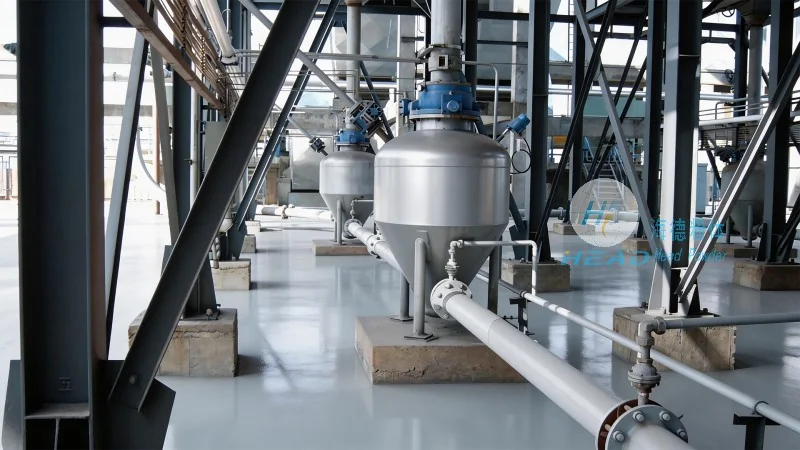
Working Principle of Pneumatic Conveying Equipment
The working principle of pneumatic conveying equipment is based on the fundamental concept of fluidization and particle transport. The system operates by creating a pressure differential between the inlet and outlet of the conveying line. The blower or compressor supplies compressed air, which creates a flow velocity sufficient to lift and transport the refractory material particles. The key components of the system include the feeding unit, conveying pipeline, air separation system, and control system. The feeding unit ensures a consistent material feed, while the pipeline design, including bends and fittings, minimizes pressure loss and maintains the material's flow. The air separation system, such as a cyclone or filter, removes the material from the air stream, preventing clogging and ensuring the air can be recirculated. The control system monitors and adjusts the air pressure, flow rate, and material feed to maintain optimal operation. This integrated approach ensures the efficient and reliable transport of refractory materials, meeting the stringent requirements of industrial applications.
Advantages of Pneumatic Conveying Equipment for Refractory Materials
Pneumatic conveying equipment offers several advantages over traditional methods like belt conveyors or bucket elevators, particularly for refractory materials. One of the primary benefits is the non-contact handling of materials, which prevents contamination and degradation of the refractory particles. This is crucial for maintaining the quality of the final product, especially in applications where material purity is critical. Additionally, the system provides a dust-free environment, reducing the risk of occupational health hazards and improving workplace safety. The energy efficiency of pneumatic conveying is another significant advantage, as it minimizes energy consumption compared to other transport methods. The closed-loop design also reduces material loss and waste, contributing to cost savings and environmental sustainability. Furthermore, the flexibility of the system allows for easy integration with existing production lines and customization to accommodate different material types and processing requirements.
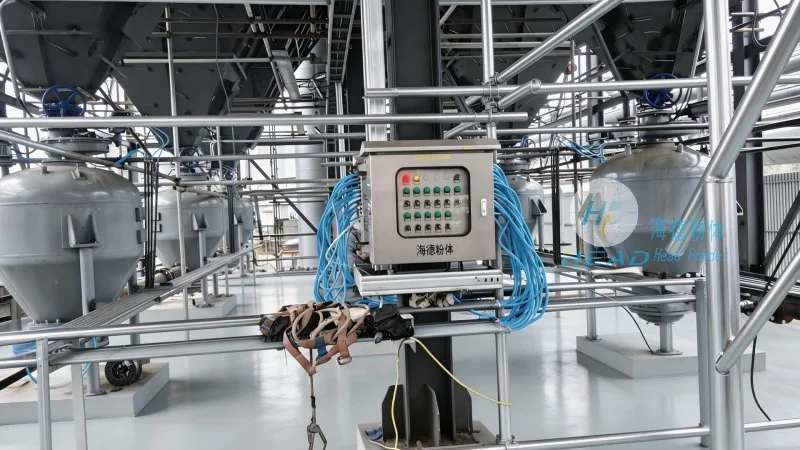
Customized Solutions and After-Sales Support
Shandong HeadPowder Engineering Co., Ltd. provides comprehensive services to ensure the successful implementation and long-term operation of pneumatic conveying equipment for refractory materials. The company offers customized design and engineering services tailored to the specific needs of each client, considering factors such as material properties, processing requirements, and site conditions. This includes the selection of appropriate components, such as blower capacity, pipeline diameter, and separation equipment, to ensure optimal performance. After the equipment is installed, the company provides thorough training to the client's staff on operation and maintenance procedures, ensuring they can maximize the equipment's efficiency and lifespan. Additionally, the company offers ongoing technical support and maintenance services to address any issues that may arise, ensuring the equipment operates at peak performance. By focusing on customer satisfaction and long-term partnerships, headpowder has built a reputation for delivering reliable and effective solutions in the refractory material handling industry.