

Operation Process and Working Principle of Lithium Manganese Oxide Material Pneumatic Conveying Mach
At Shandong HeadPowder Engineering Co., Ltd., we specialize in the design, manufacturing, and supply of advanced pneumatic conveying systems tailored for handling lithium manganese oxide (LMO) materials. Our equipment is engineered to meet the stringent requirements of modern battery production and material processing industries, ensuring efficient, reliable, and safe material transport. This article delves into the operation process and working principle of our lithium manganese oxide material pneumatic conveying machine, highlighting its key components, operational workflow, and technical advantages.
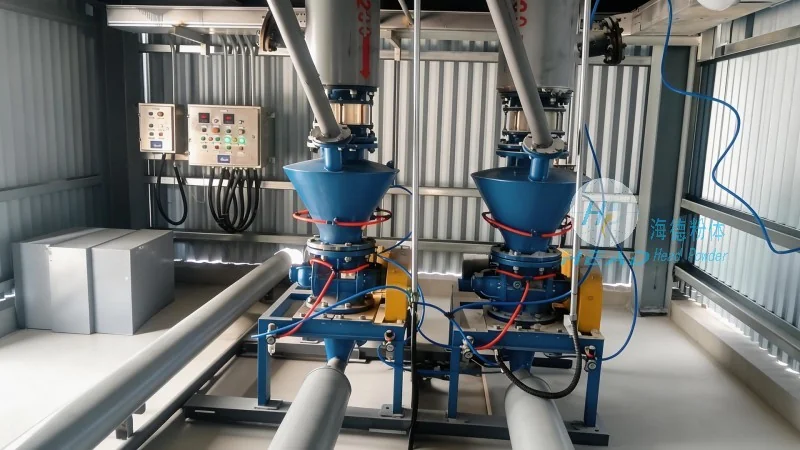
Working Principle of the Pneumatic Conveying System
The core of our lithium manganese oxide material pneumatic conveying machine lies in the principles of pneumatic transport, which utilizes compressed air or gas to move bulk materials through a pipeline system. The system operates by creating a pressure differential between the material feed point and the discharge point, enabling the material to be suspended and transported as a fluidized stream. Key components include a material hopper, a rotary feeder, a pneumatic conveying pipeline, a dust collector, and a discharge valve. The rotary feeder controls the feed rate of LMO material into the pipeline, while the compressed air from the blower generates the necessary airflow to transport the material. The dust collector ensures environmental compliance by capturing any fine particles released during the process.
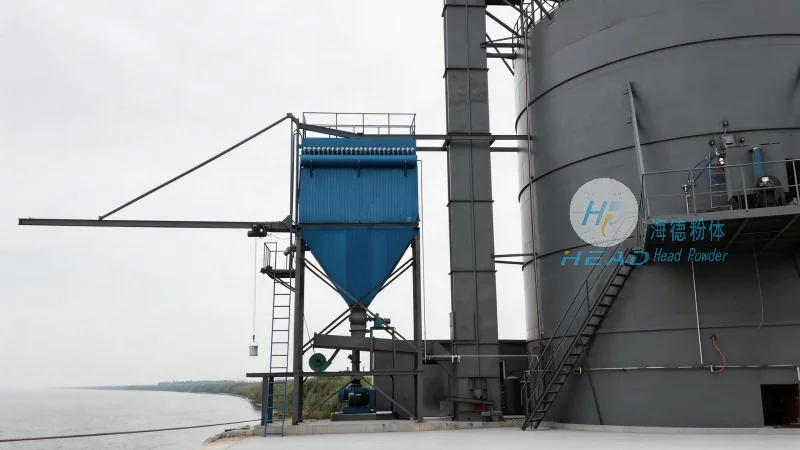
Operation Process Step-by-Step
The operation of the lithium manganese oxide material pneumatic conveying machine follows a systematic sequence to ensure consistent and efficient material handling. The process begins with the loading of LMO material into the hopper. The rotary feeder then regulates the flow of material into the conveying pipeline, matching the feed rate to the air volume supplied by the blower. As compressed air is introduced, it creates a low-pressure zone in the pipeline, which draws the material into the airflow. The material is then carried through the pipeline to the discharge point, where it is released into the receiving container. The system maintains a stable pressure and airflow to prevent material blockages or air leaks, ensuring smooth operation. Regular maintenance, such as checking the blower performance and cleaning the dust collector, is essential to maintain optimal performance and prolong the equipment's lifespan.
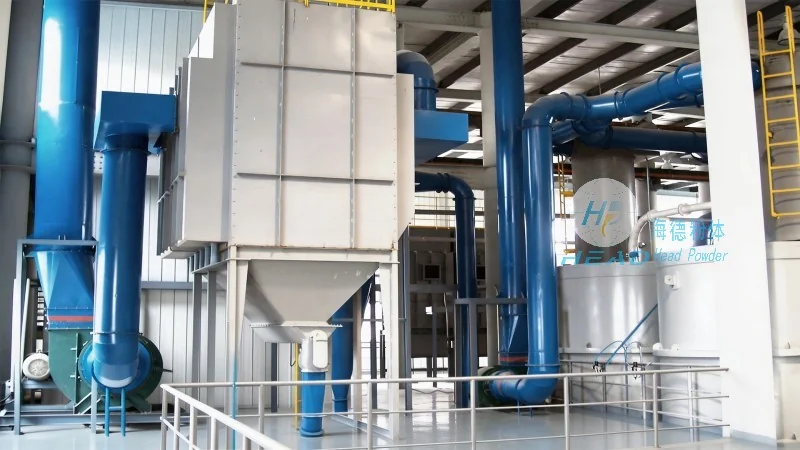
Key Features and Technical Advantages
Our lithium manganese oxide material pneumatic conveying machine offers several advantages that make it ideal for handling sensitive materials like LMO. The system provides a dust-free and enclosed transport environment, reducing the risk of material contamination and exposure to airborne particles. The use of compressed air allows for gentle handling of the material, minimizing wear and tear on the particles and preserving their quality. Additionally, the modular design of the equipment enables easy integration into existing production lines and allows for scalability to accommodate varying material throughput requirements. The automated control system ensures precise regulation of feed rates and air pressure, enhancing operational efficiency and reducing the need for manual intervention.
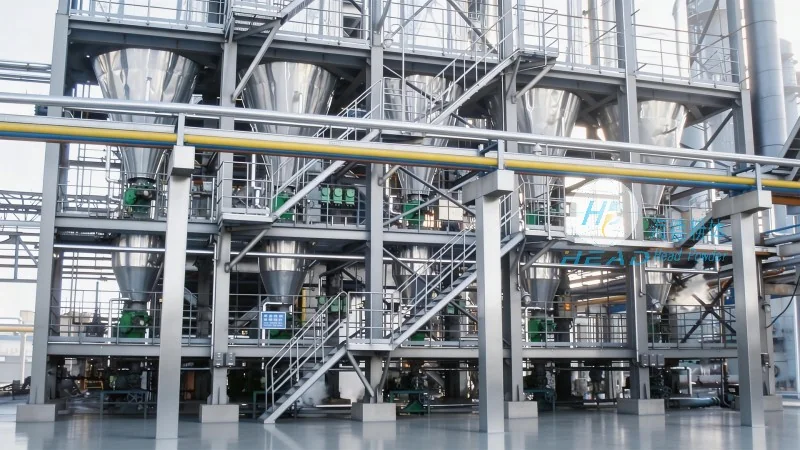
Application and Industry Relevance
Lithium manganese oxide is a critical cathode material used in lithium-ion batteries, and efficient material handling is essential to support the growing demand in the battery industry. Our pneumatic conveying system is specifically designed to handle LMO with high purity and minimal contamination, ensuring that the material meets the quality standards required for battery production. The system's ability to transport materials in a closed loop reduces environmental impact and improves workplace safety by eliminating the need for manual handling of bulk materials. In addition, the energy-efficient design of the blower and the optimized airflow path contribute to lower operational costs and reduced carbon footprint, aligning with the industry's sustainability goals.