

Operation Process and Working Principle of Tungsten Carbide Material Pneumatic Conveying Machine
For industries dealing with tungsten carbide materials, efficient and reliable material handling is crucial. The pneumatic conveying machine designed by Shandong HeadPowder Engineering Co., Ltd. offers a robust solution for transporting these high-value materials. This article delves into the operation process and working principle of the carbonized tungsten material pneumatic conveying machine, highlighting its key components and operational dynamics.
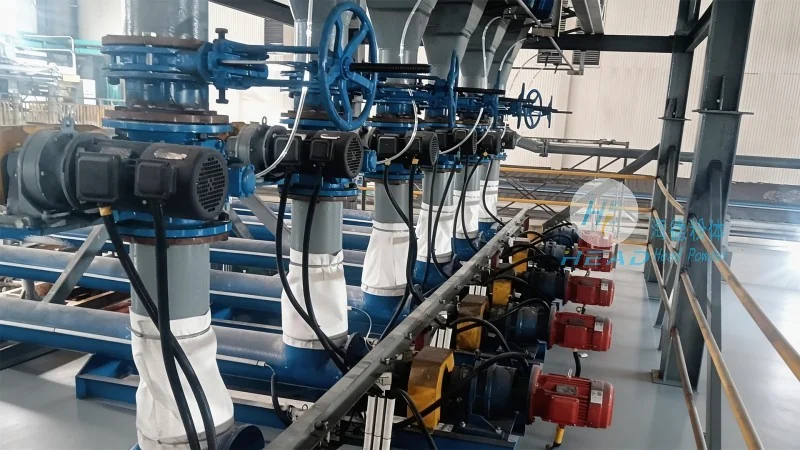
Introduction to Tungsten Carbide Pneumatic Conveying Systems
Tungsten carbide is a hard, wear-resistant material widely used in cutting tools, wear parts, and other industrial applications. Handling such materials requires specialized equipment to ensure safety, efficiency, and minimal product degradation. The pneumatic conveying system from HeadPowder combines advanced engineering with user-friendly design to meet these demands. This system is engineered to handle the unique properties of tungsten carbide, including its high density and abrasive nature, while maintaining optimal performance and longevity.
Key Components of the Pneumatic Conveying Machine
The pneumatic conveying machine for tungsten carbide materials consists of several critical components that work in tandem to achieve effective material transport. These components include the hopper, feeder, air compressor, conveying line, and receiver. Each part plays a vital role in the overall operation of the system.
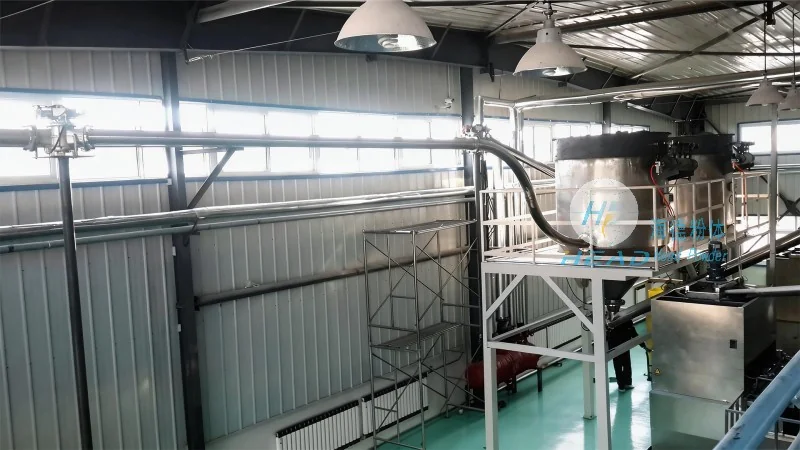
The Hopper and Material Feeding System
The hopper is the primary storage vessel where tungsten carbide material is loaded. It is designed with a large opening to facilitate easy loading and a smooth interior to prevent material buildup or segregation. The feeder, typically a rotary valve or screw feeder, regulates the flow of material from the hopper into the conveying line. This component ensures a consistent and controlled feed rate, which is essential for maintaining stable pressure and flow within the system.
Compressor and Air Supply System
The air compressor is the heart of the pneumatic conveying system, providing the necessary air pressure to move the material through the conveying line. Shandong HeadPowder Engineering Co., Ltd. utilizes high-efficiency compressors that are specifically matched to the material characteristics and system requirements. The compressor generates a steady stream of compressed air, which is then directed into the conveying line to create the airflow needed for material transport. Proper air pressure management is crucial to prevent material blockages and ensure smooth operation.
The Conveying Line and Material Transport
The conveying line is a flexible or rigid tube that connects the feeder to the receiver. It is typically made of durable materials such as stainless steel or special alloys to withstand the abrasive nature of tungsten carbide. The air flow generated by the compressor creates a vacuum or pressure differential within the line, which propels the material particles forward. The design of the conveying line, including its diameter and length, is optimized to minimize pressure drop and energy consumption while ensuring efficient material transport.
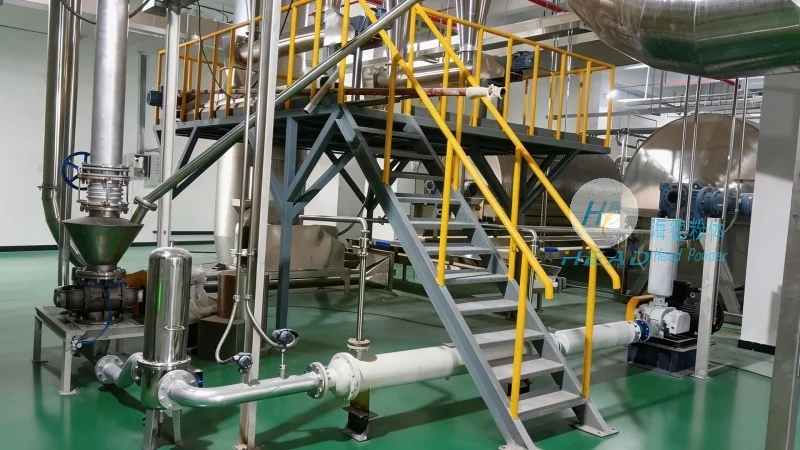
The Receiver and Material Discharge
The receiver is the final component of the system where the transported tungsten carbide material is deposited. It is equipped with a discharge valve or outlet that allows for controlled release of the material. The receiver is designed to prevent material spillage and maintain a clean working environment. The system may also include a filter or separator to remove any air or dust particles from the material before it is discharged, ensuring that the final product remains clean and free from contaminants.
Operation Process of the Pneumatic Conveying Machine
The operation of the tungsten carbide pneumatic conveying machine follows a systematic process that ensures efficient material handling. The process begins with loading the hopper with the tungsten carbide material. The feeder then regulates the flow of material into the conveying line as the air compressor starts and provides the necessary air pressure. The compressed air creates a flow that carries the material particles through the conveying line to the receiver. The material is then discharged from the receiver, completing the transport cycle. The system operates continuously, with the feeder and compressor working in sync to maintain a steady flow of material. Regular maintenance and monitoring of the system components are essential to ensure optimal performance and longevity.
Working Principle of the Pneumatic Conveying System
The working principle of the pneumatic conveying machine is based on the fundamental concept of using air to transport solid materials. The system operates by creating a pressure differential between the hopper and the receiver. The air compressor generates a high-pressure air stream that is introduced into the conveying line, creating a flow that moves the material particles along with it. The material is carried by the air flow as it travels through the line, and the receiver collects the material as the air flow slows and the material settles. The key to the system's efficiency lies in the balance between air pressure, material feed rate, and line design. Proper adjustment of these parameters ensures that the material is transported smoothly without blockages or excessive energy consumption.
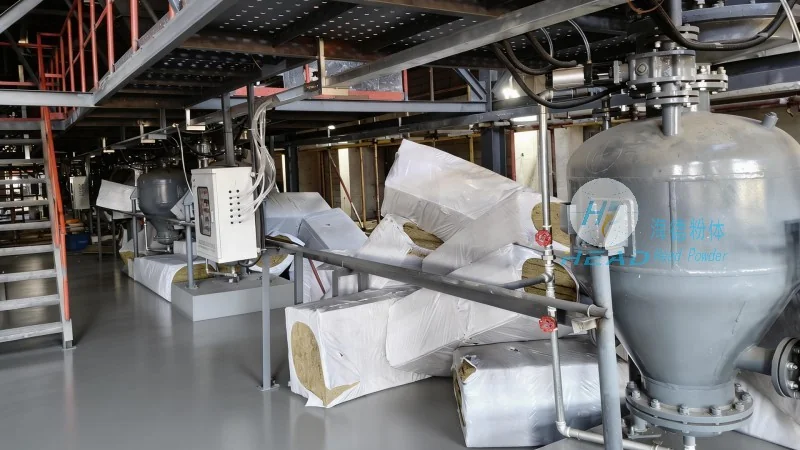
Advantages of Using a Pneumatic Conveying Machine for Tungsten Carbide
Implementing a pneumatic conveying system for tungsten carbide materials offers several advantages over traditional handling methods. These include reduced labor costs, improved safety by eliminating manual handling of heavy or abrasive materials, and increased efficiency in material transport. The system also minimizes material degradation by avoiding contact with mechanical parts and reducing the risk of contamination. Additionally, the compact design of the system allows for easy integration into existing production lines, making it a versatile solution for various industrial applications.
Conclusion
The operation process and working principle of the tungsten carbide material pneumatic conveying machine from Shandong HeadPowder Engineering Co., Ltd. demonstrate a sophisticated approach to material handling. By integrating advanced components and a systematic operational process, the system ensures efficient, safe, and reliable transport of tungsten carbide materials. This equipment is particularly valuable for industries that require high-quality material handling solutions, offering a cost-effective and durable option for their material transport needs. With its robust design and user-friendly operation, the pneumatic conveying machine from HeadPowder is a reliable choice for businesses dealing with tungsten carbide materials.