

Operation Process and Working Principle of Activated Carbon Material Pneumatic Conveying Machine
HeadPowder, a leading provider in the field of material handling solutions, specializes in the design, manufacturing, and implementation of advanced pneumatic conveying systems. This article delves into the operation process and working principle of the activated carbon material pneumatic conveying machine, a critical equipment for efficient and safe transportation of activated carbon in industrial applications.
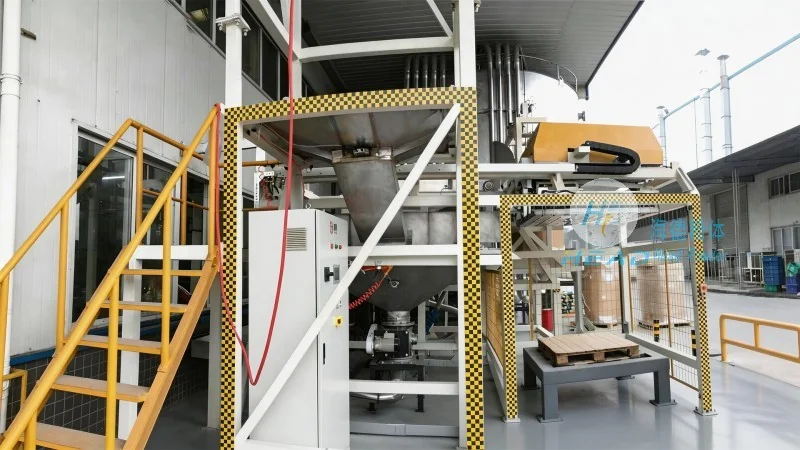
Introduction to Activated Carbon Pneumatic Conveying Systems
Activated carbon, widely used in water treatment, air purification, and chemical processes, requires specialized handling equipment to ensure consistent quality and minimize contamination. The pneumatic conveying machine offered by Shandong HeadPowder Engineering Co., Ltd. addresses these challenges by providing a reliable, dust-free, and energy-efficient method for transporting activated carbon from storage to processing units. This system is particularly advantageous for handling fine powders like activated carbon, which are prone to caking and agglomeration if not handled properly.
Key Components of the Pneumatic Conveying Machine
The activated carbon material pneumatic conveying machine consists of several essential components that work in tandem to achieve efficient material transport. These components include the hopper, feeder, air compressor, conveying line, and receiver. Each component plays a crucial role in the overall operation:
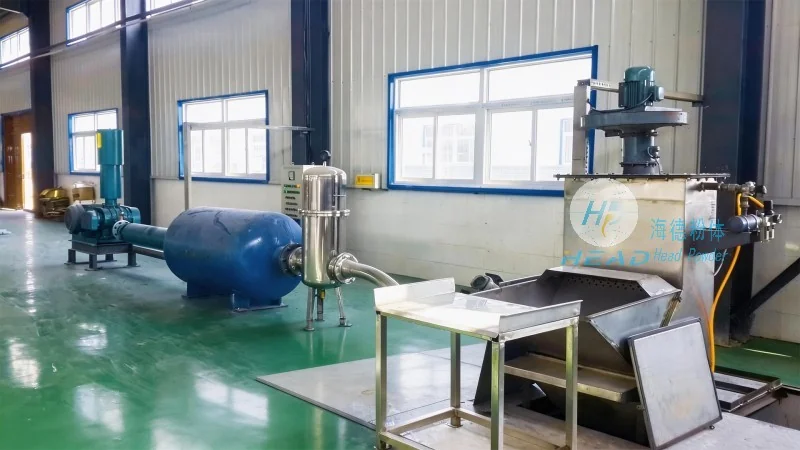
- Hopper: A storage vessel that holds the activated carbon, ensuring a consistent feed to the feeder. The hopper is designed with a sloped bottom to facilitate smooth material flow.
- Feeder: The feeder regulates the flow rate of activated carbon from the hopper into the conveying line. It can be a rotary valve, screw feeder, or other types of metering devices, depending on the system requirements. The feeder ensures a controlled and steady supply of material to maintain system efficiency.
- Air Compressor: The air compressor generates the necessary air pressure to create a flow of air through the conveying line. It is a critical component that provides the driving force for transporting the activated carbon particles. The compressor is typically equipped with a filter and moisture separator to ensure clean and dry air, which is essential for preventing material degradation and equipment damage.
- Conveying Line: The conveying line, usually made of stainless steel or other corrosion-resistant materials, carries the activated carbon particles mixed with air. The line is designed to handle the pressure and flow requirements of the system, with appropriate bends and fittings to maintain the material's suspension and prevent blockages.
- Receiver: The receiver is the final destination where the activated carbon is deposited after being conveyed. It is a storage vessel that collects the material and can be connected to downstream processing equipment. The receiver is equipped with a dust collection system to ensure a clean and safe environment.
Working Principle of the Pneumatic Conveying Process
The operation of the activated carbon material pneumatic conveying machine follows a systematic process that involves several stages. The primary working principle is based on the use of air to create a fluidized bed of activated carbon particles, which are then transported through the conveying line. Here is a step-by-step breakdown of the process:
- Material Loading: Activated carbon is loaded into the hopper from a storage silo or other containers. The hopper is designed to accommodate large quantities of material, ensuring a continuous supply.
- Feeder Operation: The feeder starts to rotate or move, releasing a controlled amount of activated carbon into the conveying line. The feeder's speed is adjusted to match the air flow rate from the compressor, maintaining a consistent material flow.
- Air Compression and Injection: The air compressor generates high-pressure air, which is then injected into the conveying line at the inlet of the feeder. The air creates a low-pressure zone that draws the activated carbon particles into the line.
- Particle Suspension: As the air flows through the conveying line, it suspends the activated carbon particles, creating a mixture of air and material. The air velocity is maintained above the minimum fluidization velocity to prevent particle settling and ensure smooth transport.
- Transport to Receiver: The mixture of air and activated carbon travels through the conveying line to the receiver. The line may include bends, valves, and other components to direct the flow to the desired location.
- Material Deposition: In the receiver, the air is separated from the activated carbon particles. The air is typically filtered and recycled back to the compressor, while the activated carbon is collected in the receiver for further processing or storage.
Operation Process and Control Systems
The operation of the activated carbon material pneumatic conveying machine is typically controlled by a sophisticated system that monitors and adjusts various parameters to ensure optimal performance. The control system includes sensors and instruments that track the following parameters:
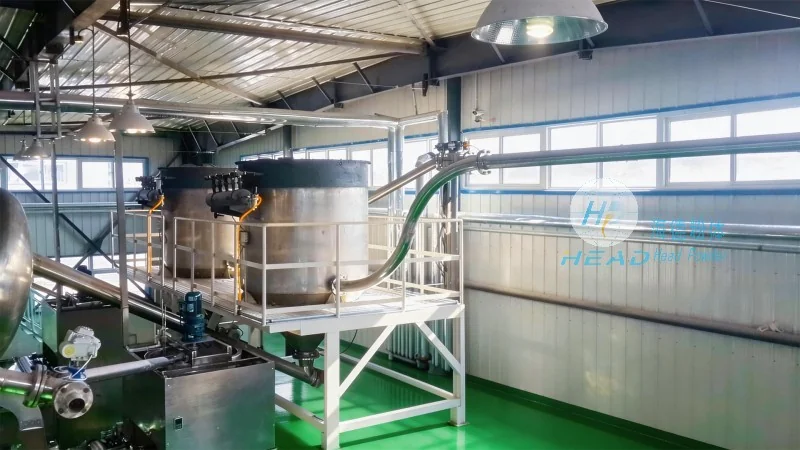
- Material Level: Sensors in the hopper monitor the level of activated carbon, alerting operators when the level is low and requiring refilling.
- Air Pressure and Flow: Pressure gauges and flow meters in the air compressor and conveying line monitor the air pressure and flow rate, ensuring they are within the optimal range for efficient transport.
- Temperature: Temperature sensors are used to monitor the temperature of the activated carbon and air, preventing overheating which could degrade the material.
- Dust and Particulate Levels: Sensors in the receiver and exhaust systems monitor the level of dust and particulates, ensuring compliance with environmental regulations and maintaining a safe working environment.
The control system also includes automated controls that adjust the feeder speed, air compressor output, and other parameters based on real-time feedback from the sensors. This ensures that the system operates at peak efficiency, minimizing energy consumption and maximizing material throughput. Operators can also manually adjust the settings as needed to accommodate changes in material properties or system load.
Advantages of Using a Pneumatic Conveying Machine for Activated Carbon
Implementing a pneumatic conveying system for activated carbon offers several advantages over traditional methods such as belt conveyors or bucket elevators. These advantages include:
- Efficiency and Speed: The pneumatic conveying machine can transport activated carbon at high speeds, significantly reducing the time required for material handling compared to traditional methods.
- Dust-Free Operation: The enclosed system prevents dust and particulates from escaping into the environment, ensuring a clean and safe working environment and minimizing the risk of contamination.
- Energy Efficiency: Modern pneumatic conveying systems are designed to be energy-efficient, with optimized air flow and pressure control that reduces energy consumption compared to other material handling methods.
- Flexibility and Scalability: The system can be easily scaled to accommodate changes in production volume or material requirements, making it suitable for both small and large-scale industrial applications.
- Reduced Maintenance: The enclosed design and use of corrosion-resistant materials reduce the risk of equipment damage and minimize maintenance requirements, leading to lower operational costs.
Applications and Industries
The activated carbon material pneumatic conveying machine is widely used in various industries that require the handling of activated carbon. Some of the key applications include:
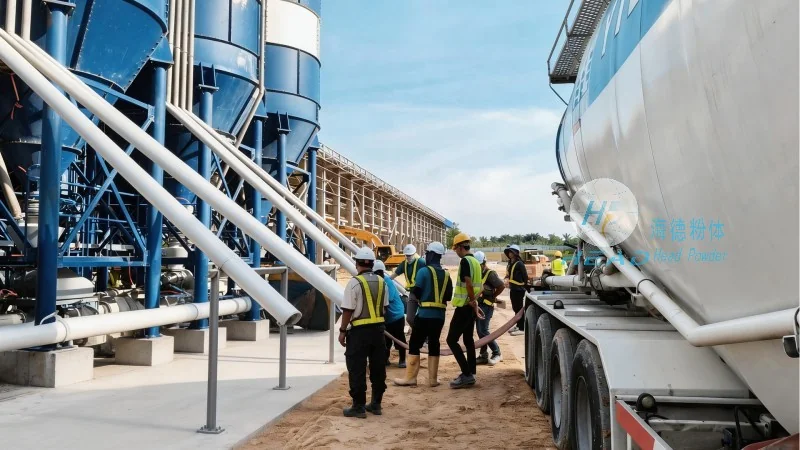
- Water Treatment: Activated carbon is used in water treatment plants to remove impurities and contaminants from drinking water and industrial wastewater. The pneumatic conveying system ensures efficient and safe transport of the carbon to the treatment units.
- Air Purification: In air purification systems, activated carbon is used to remove odors, volatile organic compounds (VOCs), and other pollutants from air. The conveying machine facilitates the transport of the carbon to the filtration units.
- Chemical Processing: In chemical manufacturing, activated carbon is used as a catalyst or adsorbent in various processes. The pneumatic conveying system ensures consistent and reliable supply of the carbon to the processing equipment.
- Pharmaceutical and Food Industries: Activated carbon is used in the pharmaceutical and food industries for filtration and purification processes. The dust-free and hygienic design of the pneumatic conveying machine ensures compliance with industry standards and regulations.
Conclusion and Company Overview
Shandong HeadPowder Engineering Co., Ltd., with its headquarters in China, is a trusted provider of advanced material handling solutions, including the activated carbon material pneumatic conveying machine. The company's expertise in designing and manufacturing high-quality pneumatic conveying systems ensures that clients receive reliable and efficient equipment that meets their specific needs. By leveraging the latest technology and adhering to strict quality standards, HeadPowder delivers solutions that enhance operational efficiency, reduce costs, and improve safety in industrial applications.
For businesses looking to optimize their activated carbon handling processes, the activated carbon material pneumatic conveying machine from HeadPowder offers a superior solution. The system's efficiency, reliability, and flexibility make it an ideal choice for various industrial applications, helping companies achieve their production goals while maintaining high standards of quality and safety.