

Operation Process and Working Principle of Stearic Acid Sodium Material Pneumatic Conveying Machine
HeadPowder, a leading manufacturer based in Shandong, China, specializes in providing advanced pneumatic conveying solutions tailored for various industrial applications. The company's expertise lies in designing and manufacturing equipment that ensures efficient and reliable material handling, particularly for sensitive substances like stearic acid sodium.
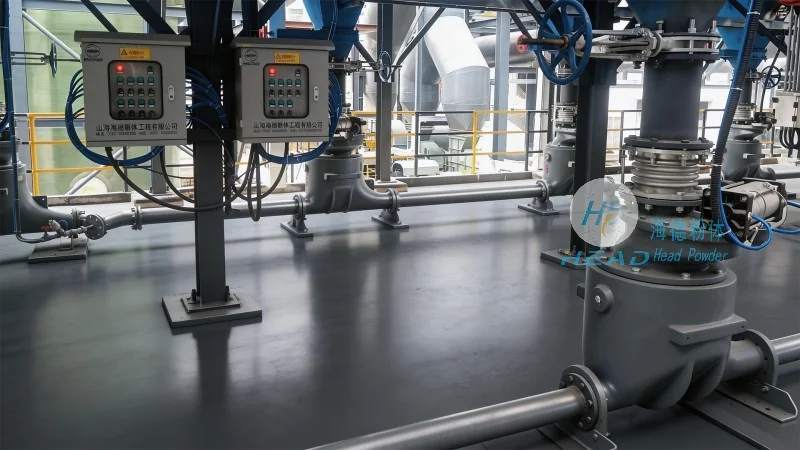
About HeadPowder: Manufacturer of Pneumatic Conveying Solutions
HeadPowder Engineering Co., Ltd. is a reputable enterprise dedicated to innovation in material handling technology. With a strong commitment to quality and customer satisfaction, the company has established itself as a trusted partner in the industry. Headquartered in Shandong, China, HeadPowder leverages years of experience to develop customized solutions that meet the unique demands of clients across different sectors.
Product Overview: Stearic Acid Sodium Pneumatic Conveying Machine
The Stearic Acid Sodium Material Pneumatic Conveying Machine is a specialized piece of equipment designed to transport stearic acid sodium—a common chemical additive used in cosmetics, pharmaceuticals, and food industries—through a pneumatic system. This machine is engineered to handle the material's specific properties, such as its fine particle size and potential for static accumulation, ensuring safe and efficient transfer from storage to processing units.
Working Principle of the Pneumatic Conveying Machine
The pneumatic conveying machine operates on the principle of using air to move material through a sealed pipeline system. There are two primary modes of operation: suction (or vacuum) and pressure. In the suction mode, a vacuum is created at the inlet to draw material from a hopper or storage container into the conveying line. The pressure mode, on the other hand, uses compressed air to push material through the pipeline from a pressurized source. For stearic acid sodium, the machine typically employs a combination of these modes to achieve optimal flow and minimize material degradation.
Key Components and Their Functions
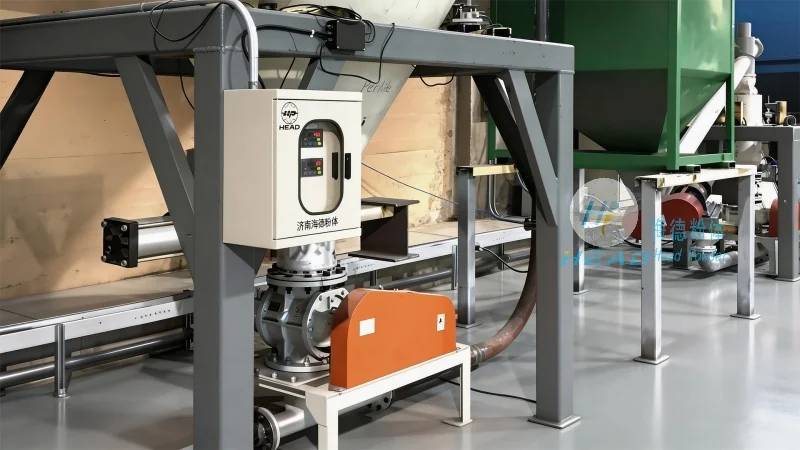
The Stearic Acid Sodium Pneumatic Conveying Machine consists of several critical components that work in tandem to ensure smooth operation. These include:
- Feeder: A controlled feeding mechanism that regulates the flow of stearic acid sodium into the conveying line, preventing overloading and ensuring consistent material delivery.
- Conveying Pipe: A network of stainless steel or specialized materials that transports the material under pressure or vacuum. The pipe design is optimized to minimize friction and maintain material integrity.
- Separation and Collection System: This component, often including a cyclone separator and a dust collector, separates the conveyed material from the air stream, ensuring that the product is collected in a clean and dry state.
- Control Panel: An integrated system that monitors and controls the entire operation, including air pressure, flow rate, and material level, allowing for real-time adjustments and safety features.
Operation Process of the Machine
The operation of the Stearic Acid Sodium Pneumatic Conveying Machine follows a systematic process to ensure efficient material transfer:
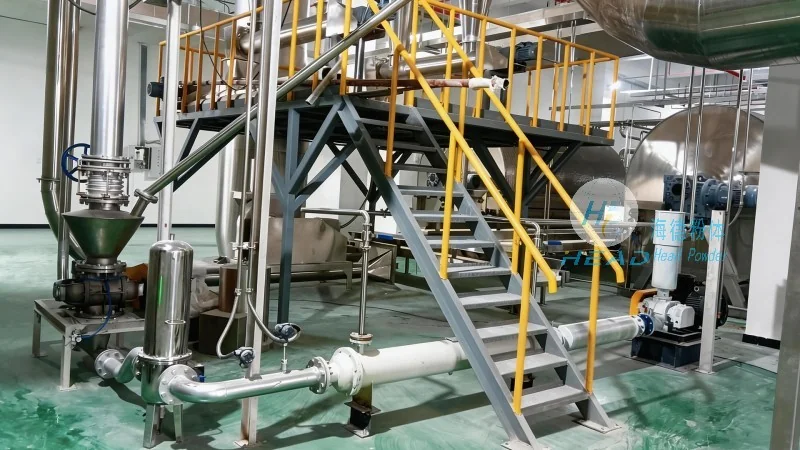
- Preparation: The machine is started after confirming that the hopper is filled with stearic acid sodium and that all connections are secure. The control panel is set to the appropriate mode (suction or pressure) based on the system configuration.
- Material Inlet: The feeder activates, releasing a controlled amount of stearic acid sodium into the conveying line. Simultaneously, the air system (vacuum or compressed air) is engaged to create the necessary pressure differential.
- Conveying: The material is drawn or pushed through the pipeline by the air flow. The system maintains a consistent flow rate to prevent clogging or uneven distribution.
- Separation and Collection: As the material reaches the end of the pipeline, it enters the separation system. The cyclone separator uses centrifugal force to separate the material from the air, while the dust collector captures any fine particles, ensuring a clean final product.
- Discharge: The separated stearic acid sodium is collected in a designated container or processing unit. The system then returns to standby mode until the next cycle begins.
Advantages of Using a Pneumatic Conveying Machine for Stearic Acid Sodium
Employing a pneumatic conveying machine for stearic acid sodium offers several advantages over traditional methods like belt conveyors or manual handling:
- Efficiency and Speed: The machine enables rapid and continuous material transfer, reducing downtime and increasing production throughput.
- Reduced Material Damage: The sealed system minimizes exposure to air and moisture, preventing oxidation or degradation of the stearic acid sodium, which is crucial for maintaining its quality in end products.
- Safety and Hygiene: The enclosed design prevents dust dispersion, ensuring a clean and safe working environment, which is particularly important in industries like pharmaceuticals and food processing.
- Customization and Scalability: HeadPowder's solutions can be tailored to meet specific operational requirements, including varying material flow rates and system sizes, making them suitable for both small-scale and large-scale production.
Maintenance and Safety Considerations
To ensure the longevity and optimal performance of the Stearic Acid Sodium Pneumatic Conveying Machine, regular maintenance is essential. This includes checking air filters, inspecting seals for leaks, and cleaning the separation system to prevent clogging. Additionally, safety protocols must be followed, such as grounding equipment to prevent static buildup and using appropriate personal protective equipment (PPE) when handling the material.
Conclusion
The Stearic Acid Sodium Material Pneumatic Conveying Machine from HeadPowder Engineering Co., Ltd. represents a reliable and efficient solution for handling stearic acid sodium in industrial settings. By understanding its working principle and operation process, users can leverage this technology to enhance productivity, maintain product quality, and ensure a safe working environment. HeadPowder's commitment to quality and innovation makes it a trusted choice for businesses seeking advanced material handling solutions.