

Introduction to Pneumatic Conveying Systems: Structure and Working Principles
HeadPowder, a leading provider of industrial conveying solutions, specializes in the design, manufacturing, and implementation of pneumatic conveying systems. Based in Shandong, China, the company has established itself as a trusted partner for businesses seeking efficient and reliable material handling solutions. This article provides an overview of pneumatic conveying systems, detailing their structural components and operational principles.
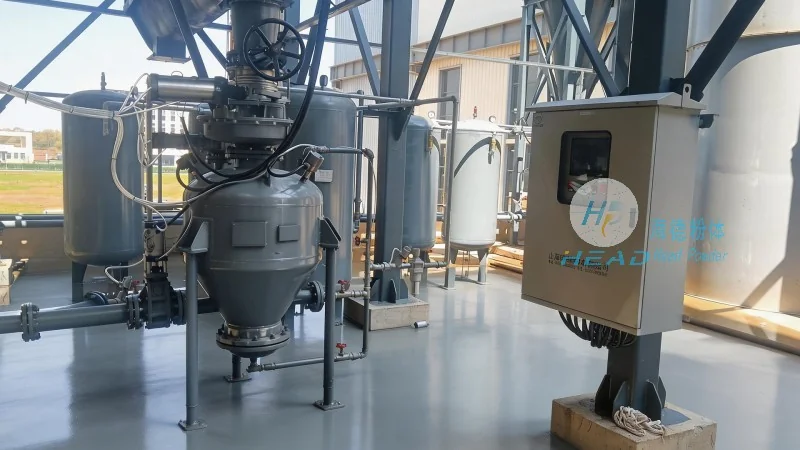
Pneumatic Conveying Systems: An Overview
Pneumatic conveying systems are widely used in various industries, including pharmaceuticals, food processing, chemicals, and bulk material handling. These systems utilize compressed air or other gases to transport bulk materials from one location to another. The primary advantage of pneumatic conveying is its ability to handle a wide range of materials, from fine powders to granules, with minimal product degradation and contamination. Unlike mechanical conveyors, which rely on physical contact and moving parts, pneumatic systems offer a more hygienic and flexible solution for transporting sensitive materials.
Key Structural Components of Pneumatic Conveying Systems
The effectiveness of a pneumatic conveying system depends on its well-designed components, each playing a critical role in the material transport process. The main components typically include:
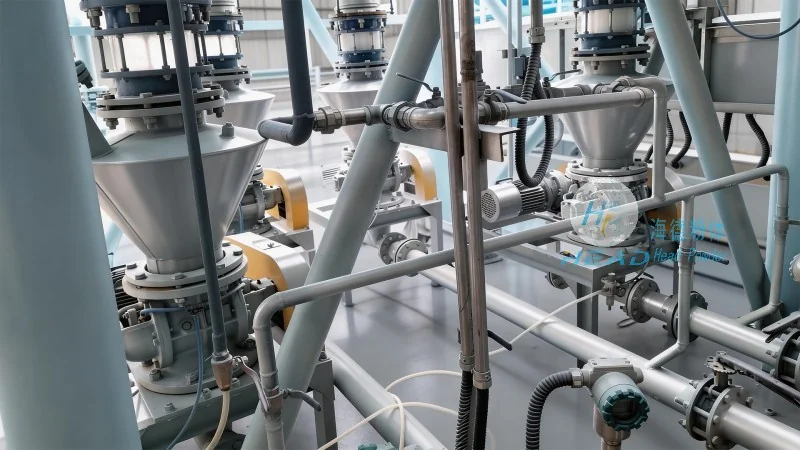
- Conveying Hoses or Tubing: These are the primary pathways for material and air flow. They are made from materials such as stainless steel, polyethylene, or PVC, depending on the application and material being conveyed. The choice of material affects the system's durability, resistance to corrosion, and suitability for different environments.
- Feeder: The feeder is responsible for introducing the material into the conveying line. It can be a rotary valve, a screw feeder, or a pressure feeder, depending on the material's characteristics and the required flow rate. The feeder ensures a consistent and controlled feed of material, preventing blockages and maintaining system efficiency.
- Compressor or Blower: This component generates the necessary pressure and airflow to move the material through the system. Compressors are typically used for high-pressure systems, while blowers are suitable for low to medium pressure applications. The selection of the compressor or blower is based on the system's capacity, material properties, and required conveying distance.
- Control Valves: These valves regulate the flow of air and material, allowing for precise control over the conveying process. They can be used to adjust the pressure, flow rate, or direction of the material transport. Control valves are essential for optimizing system performance and preventing damage to the equipment.
- Separators and Filters: As the material is conveyed, it may need to be separated from the air stream. Separators and filters are used to collect the material and remove any residual air or dust. This step is crucial for maintaining system efficiency and ensuring the material is delivered in a clean and dry state.
- Receiver or Discharge Hopper: The receiver is the final component where the material is collected after being conveyed. It is typically a hopper or a tank that stores the material until it is further processed or packaged. The design of the receiver affects the material's storage capacity and discharge characteristics.
Working Principles of Pneumatic Conveying Systems
The operation of a pneumatic conveying system involves several key steps. First, the material is fed into the system through the feeder. Then, the compressor or blower generates the required airflow, which carries the material particles through the conveying hoses or tubing. The air and material mixture travels through the system, passing through control valves and separators as needed. Finally, the material is discharged from the receiver, while the air is either recirculated or vented to the atmosphere. The entire process is controlled by the system's control valves and sensors, ensuring smooth and efficient operation.
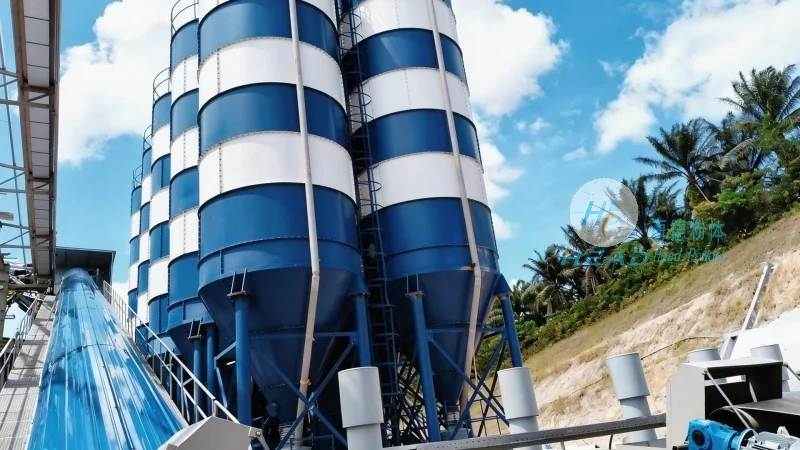
Applications and Benefits of Pneumatic Conveying Systems
Pneumatic conveying systems are versatile and can be applied in a wide range of industries. In the pharmaceutical industry, they are used to transport powders and granules in a sterile and hygienic environment. In the food processing industry, they are employed to handle ingredients such as flour, sugar, and spices, ensuring minimal contamination and product quality. In the chemical industry, they are used to transport various chemicals, including powders and granules, with high efficiency and safety. The benefits of pneumatic conveying systems include:
- Efficiency and Speed: Pneumatic systems can transport materials over long distances and at high speeds, reducing processing time and increasing productivity.
- Flexibility and Versatility: These systems can handle a wide range of materials, from fine powders to large granules, and can be easily adapted to different production requirements.
- Hygienic and Clean: Unlike mechanical conveyors, pneumatic systems do not come into direct contact with the material, minimizing the risk of contamination and ensuring product purity.
- Low Maintenance: With fewer moving parts, pneumatic systems require less maintenance and have a longer service life compared to traditional mechanical conveyors.
- Cost-Effective: Although the initial investment may be higher, the long-term operational costs are lower due to reduced maintenance and increased efficiency.
Conclusion
HeadPowder Engineering Co., Ltd. specializes in the design and implementation of high-quality pneumatic conveying systems. With a focus on structural integrity and operational efficiency, the company provides customized solutions tailored to the specific needs of its clients. Based in Shandong, China, HeadPowder leverages its expertise and experience to deliver reliable and effective material handling solutions for various industries. By understanding the key components and working principles of pneumatic conveying systems, businesses can make informed decisions and select the most suitable system for their operational requirements.