

Introduction to Negative Pressure Pneumatic Conveying and Its Structural Principles
HeadPowder, a leading manufacturer based in Shandong, China, specializes in the design, production, and application of negative pressure pneumatic conveying systems. This article provides an overview of the technology, its structural principles, and the key components that enable efficient material handling in various industrial settings.
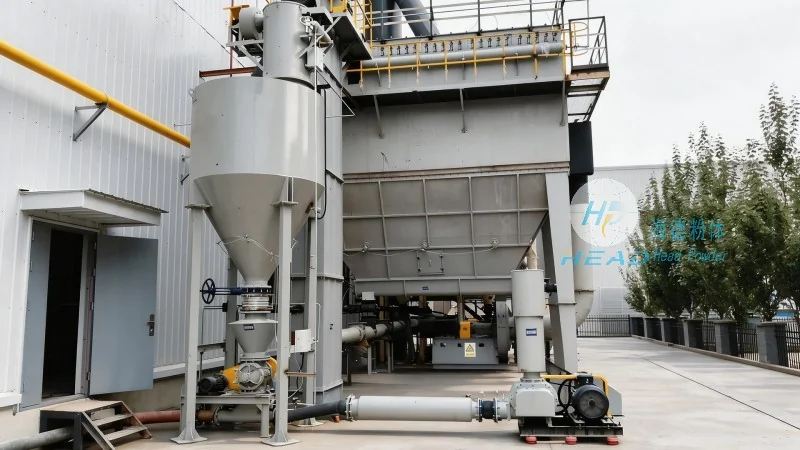
Understanding Negative Pressure Pneumatic Conveying
Negative pressure pneumatic conveying, also known as suction conveying, is a method of transporting bulk materials through a pipeline using a vacuum or reduced pressure environment. Unlike positive pressure systems that force air and material through the line, negative pressure systems draw material into the pipeline by creating a lower pressure zone at the inlet. This approach is particularly effective for handling fine powders and granular materials, as it minimizes product degradation and reduces the risk of dust emissions.
Core Structural Principles of Negative Pressure Conveying Systems
The fundamental structure of a negative pressure pneumatic conveying system consists of several critical components that work in tandem to ensure smooth operation. The primary elements include a vacuum pump or fan, a material feed hopper, a conveying line, and a receiver or collection vessel. Each component plays a vital role in the overall functionality of the system.
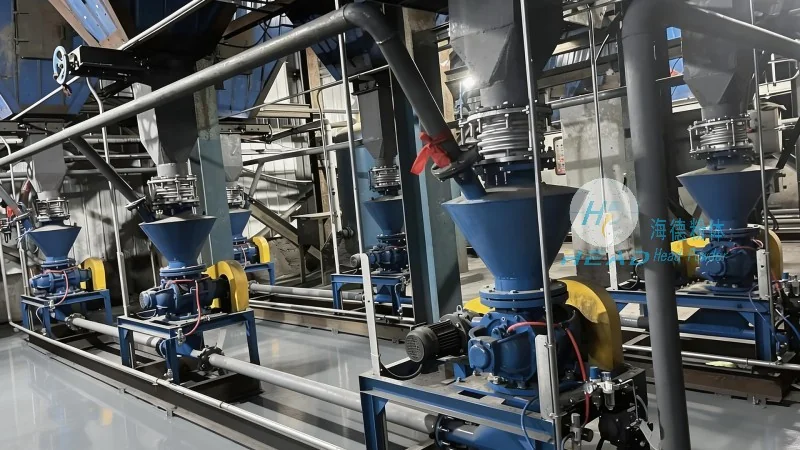
At the heart of the system is the vacuum pump, which generates the necessary negative pressure to draw material from the source. The pump is typically connected to the conveying line and the material feed hopper, creating a continuous suction path. The material feed hopper is designed to hold the bulk material and facilitate its introduction into the pipeline. As material is drawn into the hopper, it is entrained by the air flow and carried through the conveying line to the receiver. The receiver, often equipped with a filter or cyclone separator, collects the material and separates it from the air, allowing the air to be discharged or recirculated.
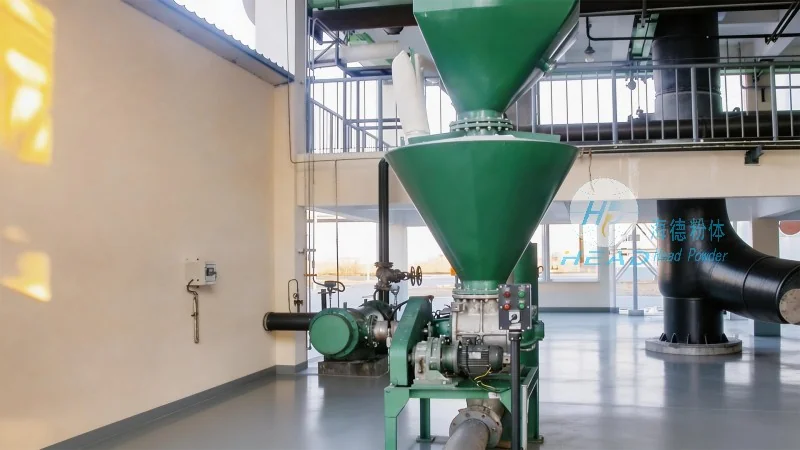
Key Components and Their Functions
Several key components are integral to the efficient operation of negative pressure pneumatic conveying systems. The vacuum pump is responsible for creating the negative pressure, which is a critical factor in determining the system's conveying capacity and distance. The material feed hopper must be designed to handle the specific material properties, such as particle size, moisture content, and flowability, to ensure consistent feeding. The conveying line is typically made of materials like stainless steel or plastic to prevent corrosion and material buildup. The receiver, often equipped with a filter or cyclone, is essential for separating the material from the air and preventing dust emissions. Additionally, the system may include a filter system to clean the air before it is discharged, ensuring compliance with environmental regulations.
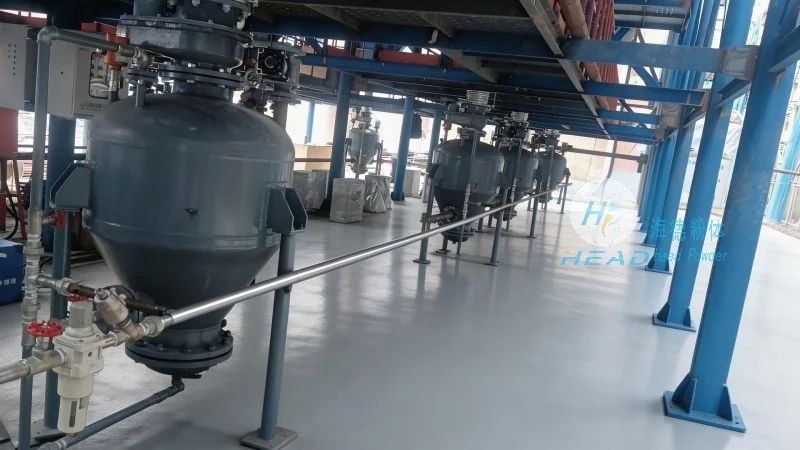
Applications and Benefits of Negative Pressure Conveying
Negative pressure pneumatic conveying systems are widely used in various industries, including pharmaceuticals, food processing, chemicals, and minerals. The technology offers several advantages over other material handling methods. One of the primary benefits is the ability to handle fine powders and granular materials without causing product degradation or segregation. The system also minimizes dust emissions, making it suitable for applications where air quality is a concern. Additionally, negative pressure systems are relatively compact and can be installed in confined spaces, making them ideal for facilities with limited floor space. The low maintenance requirements and energy efficiency of these systems also contribute to their popularity in industrial settings.
HeadPowder's Expertise in Negative Pressure Pneumatic Conveying
HeadPowder Engineering Co., Ltd., based in Shandong, China, is a leading manufacturer of negative pressure pneumatic conveying systems. The company specializes in providing customized solutions tailored to the specific needs of its clients. With years of experience in the industry, HeadPowder has developed a deep understanding of the technology and its applications. The company's team of engineers and technicians work closely with clients to design and implement systems that meet their operational requirements and budget constraints. HeadPowder's products are known for their high quality, reliability, and durability, ensuring long-term performance and minimal downtime. The company also provides comprehensive after-sales support, including maintenance, repair, and technical assistance, to ensure that its clients can maximize the lifespan and efficiency of their conveying systems.