

Introduction to the Magnesium Sulfate Pneumatic Conveying System: Structure and Working Principle
HeadPowder, a leading provider in the field of material handling solutions, specializes in the design and manufacturing of advanced pneumatic conveying systems for various industrial applications. This article provides an overview of the magnesium sulfate pneumatic conveying system, detailing its structural components and operational principles to help clients understand its functionality and benefits.
Company Profile and Background
Shandong HeadPowder Engineering Co., Ltd., commonly known as HeadPowder, is headquartered in Shandong, China. The company has established itself as a trusted partner in the chemical and material processing industries, focusing on delivering efficient and reliable conveying solutions. With a commitment to innovation and quality, HeadPowder offers tailored pneumatic conveying systems that meet the specific needs of clients, including those handling magnesium sulfate and other bulk materials.
Overview of the Magnesium Sulfate Pneumatic Conveying System
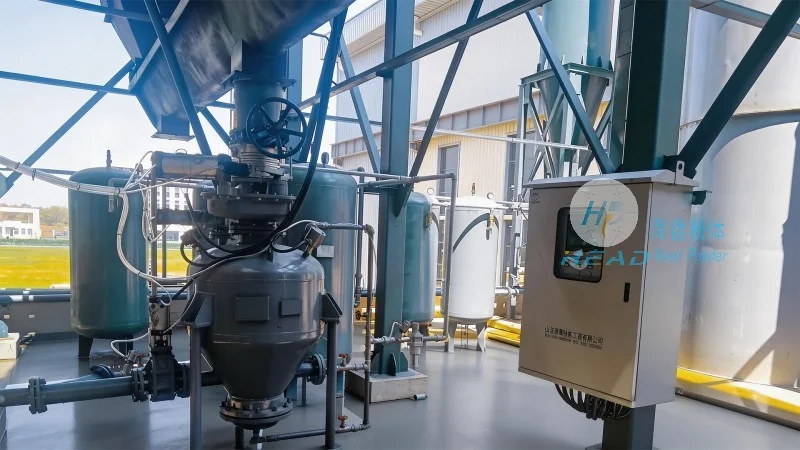
The magnesium sulfate pneumatic conveying system is a specialized equipment designed to transport magnesium sulfate powder from a storage silo or hopper to a processing unit or storage location using air pressure. This system is particularly suitable for applications where traditional mechanical conveying methods may face challenges such as material bridging, caking, or dust generation. By utilizing pneumatic technology, the system ensures a clean, efficient, and safe transfer of the material.
Key Structural Components of the System
The magnesium sulfate pneumatic conveying system consists of several critical components that work in tandem to achieve effective material transport. These components include the material feed hopper, the air compressor or blower, the conveying pipeline, the dust collection system, and the receiving hopper or silo. Each component plays a vital role in the overall operation of the system.
Material Feed Hopper
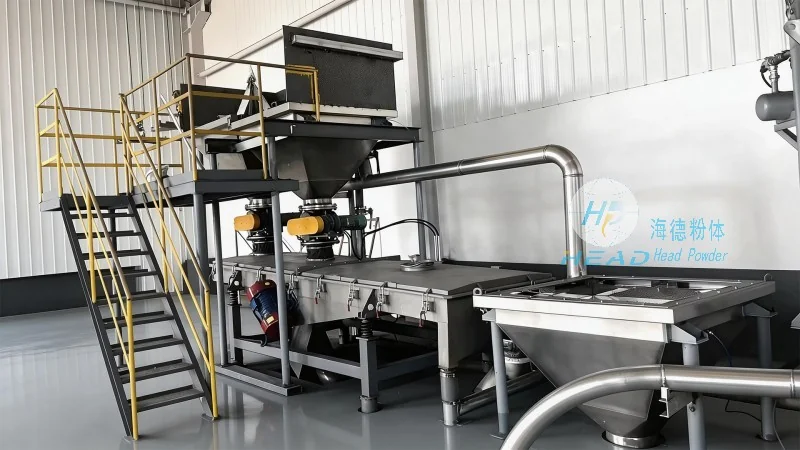
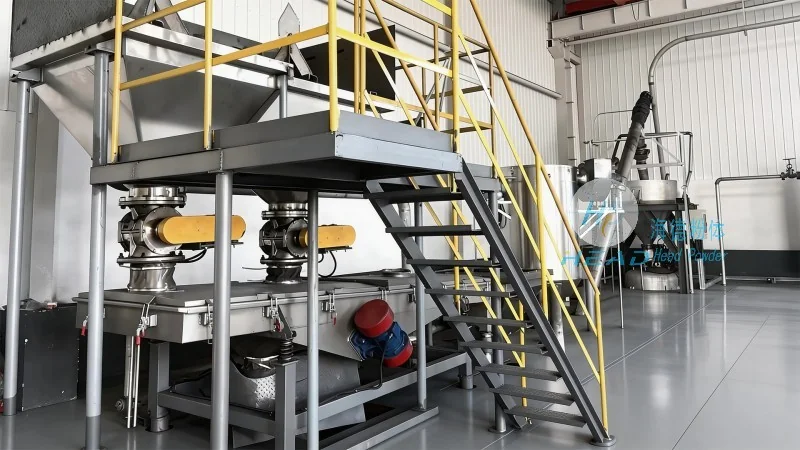
The material feed hopper is the initial component where magnesium sulfate powder is stored before being conveyed. It is designed with a sloped bottom to facilitate the flow of material into the conveying line. The hopper is equipped with a feeder, such as a rotary valve or a star valve, which controls the flow rate of the material into the system. This ensures a consistent and controlled feed of the powder, preventing overloading or underloading of the conveying line.
Air Compressor or Blower
The air compressor or blower is the heart of the pneumatic conveying system, responsible for generating the necessary air pressure to move the magnesium sulfate powder through the pipeline. The choice of compressor depends on the system's capacity and the distance the material needs to be conveyed. For magnesium sulfate, which is a relatively light and fine powder, a positive displacement blower or a rotary lobe blower is commonly used to provide the required air volume and pressure. The compressor is typically equipped with a filter and a pressure regulator to maintain stable air pressure and ensure clean air for the conveying process.
Conveying Pipeline
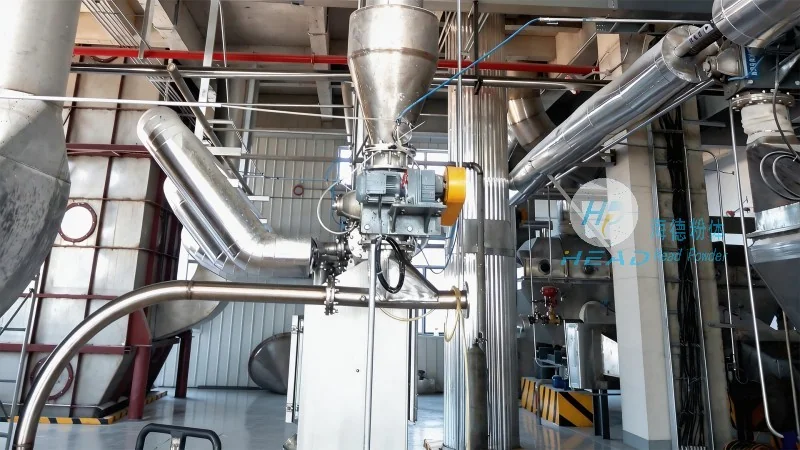
The conveying pipeline is the main channel through which the magnesium sulfate powder is transported. It is usually made of stainless steel or other corrosion-resistant materials to prevent contamination and ensure durability. The pipeline is designed with appropriate bends and elbows to accommodate the layout of the facility. The diameter of the pipeline is determined based on the material's flow characteristics and the system's capacity. The pipeline is also equipped with check valves and pressure relief valves to prevent backflow and overpressure situations.
Dust Collection System
A critical component for maintaining safety and environmental compliance is the dust collection system. This system is integrated into the conveying pipeline to capture any airborne particles of magnesium sulfate that may escape during the conveying process. The dust collector typically consists of a filter or a cyclone separator, which traps the fine particles and returns them to the conveying line or to a collection bin. This not only prevents dust contamination but also ensures that the system operates within regulatory limits for air quality.
Receiving Hopper or Silo
The receiving hopper or silo is the final component where the magnesium sulfate powder is deposited after being conveyed. It is designed to store the material in a controlled manner, preventing spillage and ensuring easy access for further processing or packaging. The hopper may be equipped with a discharge valve or a rotary valve to control the flow of material out of the system. The design of the receiving hopper is tailored to the specific requirements of the client's processing line, ensuring seamless integration with downstream equipment.
Working Principle of the Pneumatic Conveying System
The operation of the magnesium sulfate pneumatic conveying system follows a simple yet effective principle: the material is suspended in a stream of air and transported through the pipeline. The process begins when the material feeder opens and allows magnesium sulfate powder to enter the conveying line. Simultaneously, the air compressor starts and supplies compressed air into the pipeline. The air flow creates a negative pressure or positive pressure environment, depending on the system design, which lifts the powder particles and carries them along the pipeline.
Positive Pressure Conveying Mode
In the positive pressure conveying mode, the air compressor supplies compressed air into the conveying line, creating a positive pressure environment. The material is drawn into the pipeline by the air flow and is transported to the receiving hopper. This mode is suitable for short to medium conveying distances and is effective for materials that are light and fine, such as magnesium sulfate. The positive pressure system ensures that the material is fully suspended in the air, preventing blockages and ensuring efficient transport.
Negative Pressure Conveying Mode
Alternatively, the system can operate in a negative pressure mode, where the air is drawn from the conveying line using a vacuum pump or a fan. The material is then sucked into the pipeline and transported to the receiving hopper. This mode is typically used for longer conveying distances or when the material needs to be transported from multiple sources to a single destination. The negative pressure system is effective for handling materials that are prone to dust generation or that require a more controlled flow.
System Control and Automation
The magnesium sulfate pneumatic conveying system is equipped with advanced control systems that ensure smooth and efficient operation. The control panel typically includes sensors for monitoring pressure, flow rate, and material level. These sensors provide real-time data to the control system, which adjusts the air flow and material feed rate as needed. The system may also be integrated with a programmable logic controller (PLC) to automate the entire conveying process, reducing the need for manual intervention and improving operational efficiency.
Advantages of the Magnesium Sulfate Pneumatic Conveying System
There are several key advantages of using a pneumatic conveying system for magnesium sulfate transport. Firstly, it provides a clean and dust-free environment, which is crucial for maintaining product quality and meeting regulatory standards. The system eliminates the need for manual handling of the material, reducing the risk of contamination and improving workplace safety. Secondly, the system is highly efficient, with minimal material loss and low energy consumption compared to traditional mechanical conveying methods. This results in cost savings for the client over the long term. Thirdly, the system is flexible and can be easily integrated with existing processing lines, allowing for seamless operation and minimal downtime during installation or maintenance.
Applications and Industries
The magnesium sulfate pneumatic conveying system is widely used in various industries that handle bulk materials, including the chemical industry, food processing, and pharmaceuticals. In the chemical industry, it is commonly used for transporting magnesium sulfate from storage to processing units, such as crystallizers or reactors. In the food industry, the system is used to convey magnesium sulfate for use as a food additive or in the production of food products. In the pharmaceutical industry, the system ensures the safe and efficient transport of magnesium sulfate, which is used in the formulation of various medications.
Conclusion
In conclusion, the magnesium sulfate pneumatic conveying system is a reliable and efficient solution for transporting bulk materials. With its advanced structural components and operational principles, the system provides a clean, safe, and cost-effective method for handling magnesium sulfate. HeadPowder, with its expertise and commitment to quality, offers tailored solutions that meet the specific needs of clients, ensuring optimal performance and long-term benefits. By understanding the structure and working principle of this system, clients can make informed decisions about implementing a pneumatic conveying solution for their magnesium sulfate handling requirements.