

Introduction to Hydrogen Sulfide Pneumatic Conveying Systems: Structure and Working Principles
Shandong HeadPowder Engineering Co., Ltd., a leading enterprise in the field of material handling and processing, specializes in the design, manufacturing, and installation of advanced pneumatic conveying systems. This article provides an overview of hydrogen sulfide (H₂S) pneumatic conveying systems, focusing on their structural design and operational principles. The company, commonly known as HeadPowder, is headquartered in Shandong, China, and has extensive experience in handling hazardous materials, including hydrogen sulfide, which is widely used in industries such as chemical processing, petrochemical, and waste management.
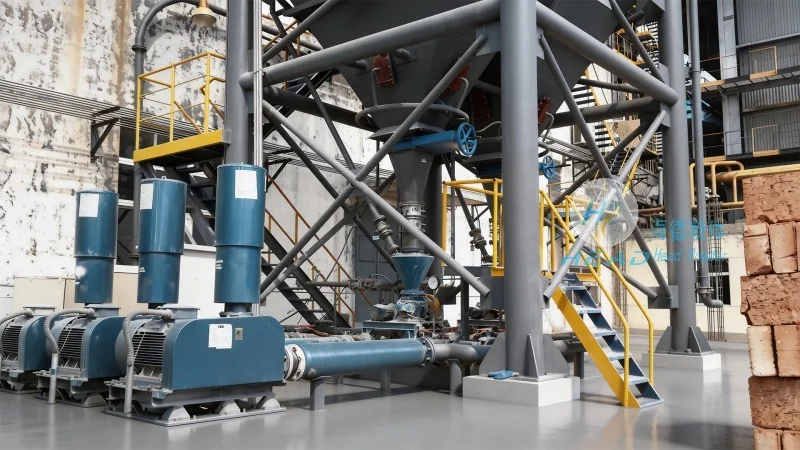
Overview of Hydrogen Sulfide Pneumatic Conveying Systems
A hydrogen sulfide pneumatic conveying system is a specialized equipment used to transport hydrogen sulfide gas or its associated powders or liquids through a pipeline using air or other gas as the conveying medium. This method offers several advantages over traditional mechanical conveying systems, including reduced risk of contamination, lower maintenance costs, and the ability to handle materials in a closed system, which is crucial for hazardous substances like hydrogen sulfide. The system is designed to ensure safe and efficient transfer of H₂S, adhering to strict safety regulations and industry standards.
Structural Components of the Pneumatic Conveying System
The hydrogen sulfide pneumatic conveying system typically consists of several key components that work in tandem to achieve effective material transport. These components include the material feed hopper, the conveying pipeline, the air or gas supply system, the control valves, and the discharge equipment. Each component plays a critical role in the overall operation of the system.
The material feed hopper is responsible for storing and feeding the hydrogen sulfide material into the conveying pipeline. It is designed with airtight seals and safety features to prevent gas leakage and ensure the material is introduced into the system at a controlled rate. The conveying pipeline is made of materials resistant to corrosion and chemical attack, such as stainless steel or specialized alloys, to withstand the harsh environment of hydrogen sulfide. The air or gas supply system provides the necessary pressure and flow rate to move the material through the pipeline. This system includes compressors, filters, and pressure regulators to maintain consistent performance. The control valves are used to regulate the flow of material and air, allowing for precise control over the conveying process. Finally, the discharge equipment, such as a receiver or a discharge hopper, collects the material at the end of the pipeline, completing the transport process.
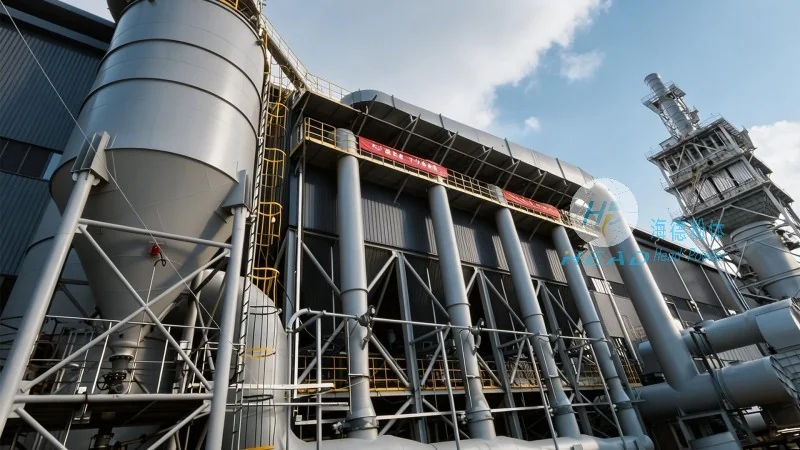
Working Principles of the Pneumatic Conveying System
The operation of a hydrogen sulfide pneumatic conveying system is based on the principle of fluidization and suspension of the material particles within the conveying medium. When air or gas is introduced into the material feed hopper at a high velocity, it creates a turbulent flow that lifts the material particles and suspends them in the gas stream. This suspended material is then carried through the pipeline to the discharge point. The system operates under either positive pressure or negative pressure, depending on the specific application and material characteristics. Positive pressure systems use compressed air to push the material through the pipeline, while negative pressure systems use suction to draw the material from the source.
The control system of the pneumatic conveying system monitors and adjusts the flow rates of both the material and the conveying medium to maintain optimal performance. Sensors and control valves ensure that the pressure and flow are maintained within safe and efficient limits. The system is equipped with safety features, such as pressure relief valves and gas detectors, to prevent over-pressurization and detect any leaks of hydrogen sulfide, ensuring the safety of the personnel and the environment.
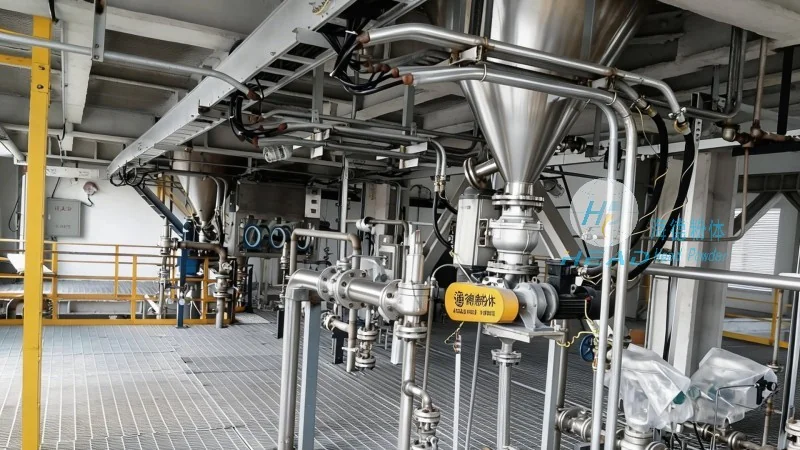
Applications and Benefits of Hydrogen Sulfide Pneumatic Conveying Systems
Hydrogen sulfide pneumatic conveying systems are widely used in various industrial applications where the safe and efficient transport of hydrogen sulfide is required. These applications include the handling of hydrogen sulfide in chemical plants, petrochemical facilities, and waste treatment plants. The systems are particularly beneficial in processes where the material needs to be transferred over long distances or through complex piping networks. The advantages of using pneumatic conveying systems for hydrogen sulfide include reduced exposure to the hazardous gas for workers, lower operational costs compared to mechanical systems, and the ability to handle materials in a closed system, minimizing environmental impact.
Shandong HeadPowder Engineering Co., Ltd. specializes in customizing hydrogen sulfide pneumatic conveying systems to meet the specific needs of each client. The company's engineers work closely with clients to design systems that are tailored to their process requirements, ensuring optimal performance and safety. The systems are manufactured using high-quality materials and components, and are installed by experienced technicians to ensure proper operation and compliance with industry standards.
Conclusion
Hydrogen sulfide pneumatic conveying systems are essential equipment for industries handling hydrogen sulfide, offering a safe, efficient, and cost-effective method of material transport. Shandong HeadPowder Engineering Co., Ltd. provides comprehensive solutions for the design, manufacturing, and installation of these systems, leveraging its expertise and experience in the field. By adhering to strict safety standards and using advanced technology, the company ensures that its systems meet the highest quality and performance requirements, providing reliable service to its clients.