

Introduction to Magnesium Oxide Pneumatic Conveying System: Structure and Working Principle
HeadPowder, a leading provider of industrial material handling solutions, specializes in the design and implementation of efficient pneumatic conveying systems for various bulk materials, including magnesium oxide. This article provides an overview of the magnesium oxide pneumatic conveying system, detailing its structural components and operational principles to help clients understand its functionality and benefits.
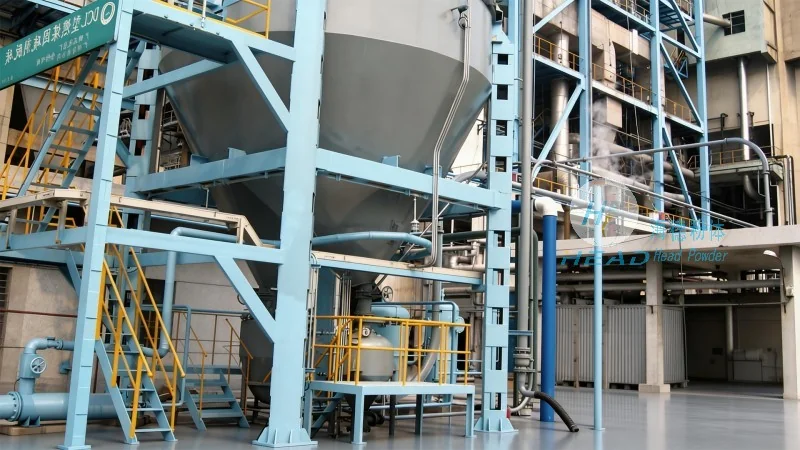
Company Profile and System Overview
Shandong HeadPowder Engineering Co., Ltd., headquartered in Shandong, China, is dedicated to delivering high-quality material handling equipment tailored to the needs of the chemical, pharmaceutical, and food industries. The magnesium oxide pneumatic conveying system is one of our core offerings, engineered to handle the unique characteristics of magnesium oxide, such as its fine particle size and reactivity. Our systems are designed to ensure safe, reliable, and efficient transportation of magnesium oxide from storage to processing units, minimizing material loss and operational downtime.
Structural Components of the Pneumatic Conveying System
The magnesium oxide pneumatic conveying system consists of several key components that work in tandem to achieve effective material transport. The primary components include the material feeding unit, the conveying pipeline, the air supply system, the separation and collection equipment, and the control panel. Each component plays a critical role in the overall operation of the system.
1. Material Feeding Unit: This component is responsible for introducing magnesium oxide into the system. It typically includes a hopper or a feeder that can handle bulk material storage and controlled discharge. The design of the feeding unit is crucial to prevent material bridging or clogging, which can occur with fine powders like magnesium oxide. Our systems often incorporate adjustable feed rates and level sensors to maintain consistent material flow.
2. Conveying Pipeline: The pipeline is the main channel through which magnesium oxide is transported. It is usually made of corrosion-resistant materials, such as stainless steel or special plastics, to withstand the chemical properties of magnesium oxide and prevent contamination. The pipeline may include bends, elbows, and straight sections, with appropriate fittings to ensure smooth material movement. The diameter and length of the pipeline are carefully selected based on the material's flow characteristics and the required conveying distance.
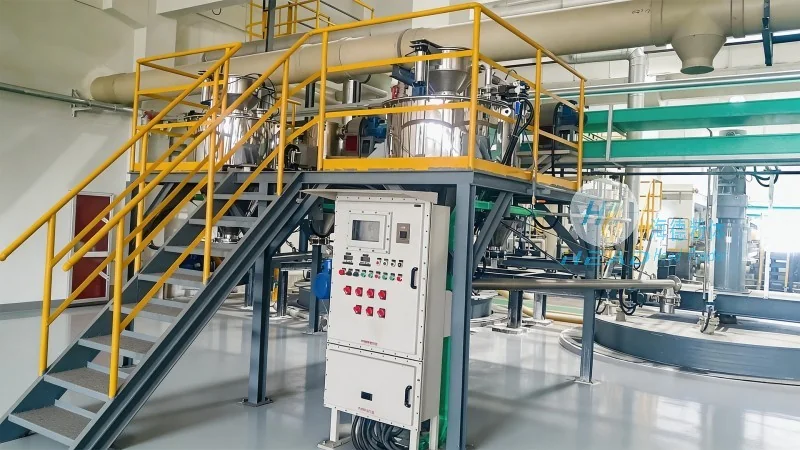
3. Air Supply System: This system generates the necessary airflow to move the magnesium oxide particles. It typically consists of a blower or a compressor that provides high-pressure air. The air supply is regulated to maintain optimal velocity and pressure, ensuring that the particles are entrained and transported efficiently. The system may also include air filters and moisture control devices to maintain air quality and prevent material degradation.
4. Separation and Collection Equipment: At the receiving end of the system, the magnesium oxide is separated from the air stream. This is achieved through a separator, such as a cyclone or a bag filter, which uses centrifugal force or filtration to capture the particles. The collected material is then discharged into a storage bin or a processing unit. The separator is designed to minimize air leakage and ensure complete material recovery.
5. Control Panel: The control panel monitors and controls all aspects of the system's operation. It includes sensors for pressure, flow, and level, as well as control buttons and indicators. The panel allows operators to adjust feed rates, air pressure, and other parameters to optimize system performance. It also provides alarms and safety features to prevent accidents and ensure compliance with industrial standards.
Working Principle of the Pneumatic Conveying System
The operation of the magnesium oxide pneumatic conveying system is based on the principle of pneumatic transport, where material particles are suspended and carried by a moving air stream. The process begins with the material being fed into the pipeline from the feeding unit. As the air is introduced from the air supply system, it creates a low-pressure zone in the pipeline, which draws the magnesium oxide particles into the air stream. The particles are then carried along the pipeline by the airflow, moving towards the separation equipment.
The velocity of the air is a critical factor in the system's performance. It must be high enough to entrain the particles but not so high as to cause excessive wear on the pipeline or equipment. The air velocity is typically maintained between 20 to 30 meters per second for fine powders like magnesium oxide. The system's design ensures that the particles remain suspended in the air stream throughout the conveying process, preventing settling or clogging.
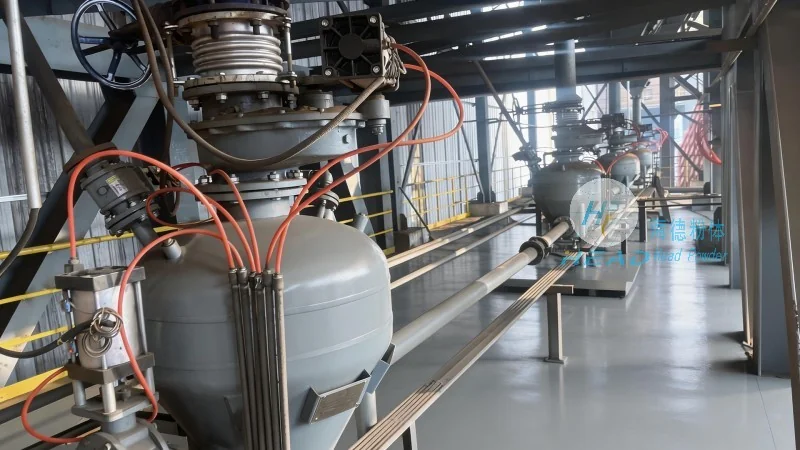
Upon reaching the separation equipment, the air stream is directed into a chamber where the particles are separated from the air. The cyclone separator, for example, uses centrifugal force to push the heavier particles to the walls of the chamber, where they fall into a collection bin. The clean air is then discharged or recirculated back into the system. This process ensures that the magnesium oxide is efficiently collected and the air is cleaned before release.
Advantages and Applications
The magnesium oxide pneumatic conveying system offers several advantages over traditional material handling methods, such as belt conveyors or manual handling. These advantages include improved safety, reduced material loss, and increased operational efficiency. The system is particularly suitable for handling fine powders like magnesium oxide, which are difficult to transport using conventional methods due to their tendency to clog or degrade.
Applications of the magnesium oxide pneumatic conveying system include the chemical industry, where magnesium oxide is used as a filler or a catalyst, the pharmaceutical industry, where it is used as an excipient or a raw material for drug production, and the food industry, where it is used as a food additive or a nutritional supplement. Our systems are designed to meet the specific requirements of each industry, ensuring compliance with safety and quality standards.
Conclusion
In conclusion, the magnesium oxide pneumatic conveying system is a highly efficient and reliable solution for transporting magnesium oxide and other fine powders. With its well-designed structural components and clear operational principles, the system provides a safe and effective means of material handling. HeadPowder, with its expertise in industrial material handling, offers customized solutions that cater to the unique needs of clients, ensuring optimal performance and long-term reliability.