

Introduction to PTA Powder Pneumatic Conveying System: Structure and Working Principle
PTA (Polyethylene Terephthalate Acid) powder is a critical raw material in the production of polyester fibers and resins. The efficient and reliable transportation of PTA powder is essential for maintaining smooth operations in industrial facilities. This article provides an overview of the PTA powder pneumatic conveying system, detailing its structure and operational principles. The system is designed to handle the unique challenges associated with PTA powder, ensuring safe and effective material transport.
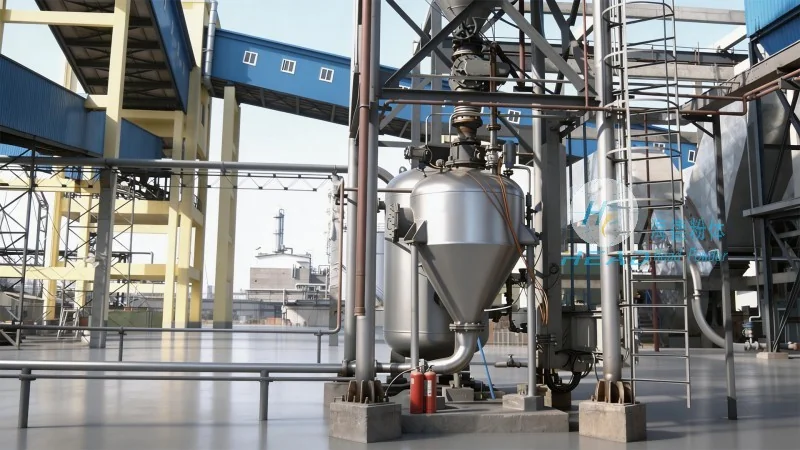
Overview of PTA Powder Pneumatic Conveying System
The PTA powder pneumatic conveying system is a specialized equipment used to transport PTA powder from storage silos or processing units to the next stage of production, such as reactors or packaging lines. This system operates by using compressed air or gas to create a flow that moves the powder through a pipeline network. The design of the system is tailored to address the specific properties of PTA powder, including its fine particle size, hygroscopic nature, and potential for static charge accumulation. By leveraging pneumatic conveying technology, the system minimizes the risk of material degradation, contamination, and loss during transport.
Key Components and Structure of the PTA Powder Pneumatic Conveying System
The PTA powder pneumatic conveying system consists of several key components that work in concert to achieve efficient material transport. These components include a feeding device, a conveying line, a control system, and a discharge unit. The feeding device is responsible for introducing the PTA powder into the system, typically using a rotary valve or a screw feeder to ensure a consistent and controlled flow. The conveying line is the main pipeline through which the powder is transported, often made of materials like stainless steel or plastic to prevent corrosion and ensure durability. The control system monitors and regulates the pressure, flow rate, and other parameters to maintain optimal operation. The discharge unit is used to release the PTA powder at the destination point, such as a reactor or a storage tank.
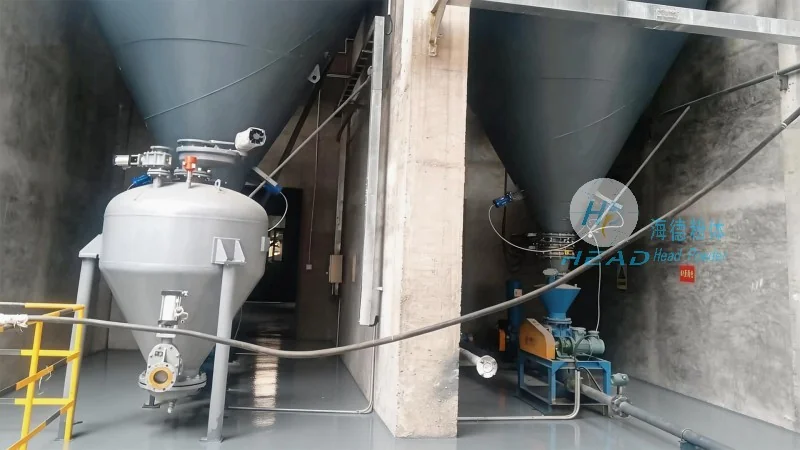
Working Principle of the PTA Powder Pneumatic Conveying System
The working principle of the PTA powder pneumatic conveying system is based on the principle of fluidization and pneumatic transport. When compressed air is introduced into the conveying line, it creates a low-pressure zone that draws the PTA powder into the pipeline. The air and powder mixture then flows through the system, with the air providing the necessary force to move the powder. The system can operate in either positive or negative pressure modes, depending on the specific application and the distance between the source and destination. Positive pressure systems use compressed air to push the powder forward, while negative pressure systems use vacuum to pull the powder. The choice of operating mode depends on factors such as the distance, the volume of material to be transported, and the need to prevent dust emissions.
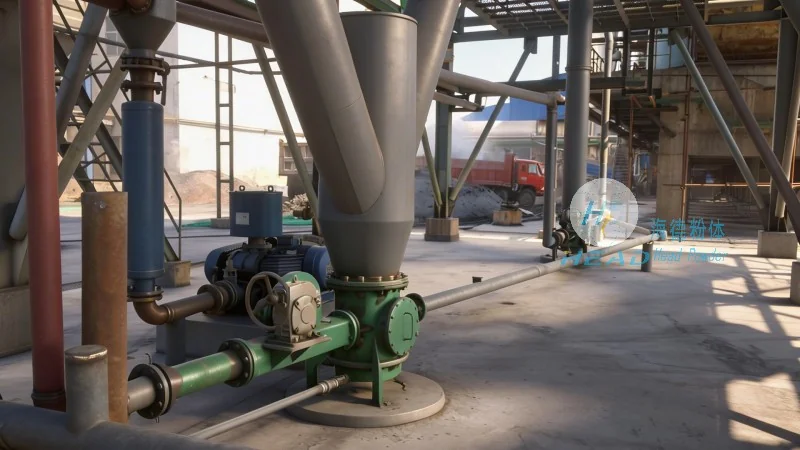
Advantages of Using PTA Powder Pneumatic Conveying System
Implementing a PTA powder pneumatic conveying system offers several advantages over traditional mechanical conveying methods. One of the primary benefits is the ability to transport PTA powder over long distances without the need for intermediate storage or transfer points. This reduces the risk of material degradation and contamination, as the powder remains in a closed system throughout the transport process. Additionally, the system is highly flexible and can be easily integrated with existing production lines, allowing for seamless operation and minimal downtime. The use of compressed air also provides a clean and hygienic environment, which is particularly important for PTA powder, which is used in the production of food and beverage packaging materials. Furthermore, the system can be equipped with advanced control features, such as real-time monitoring and automated adjustments, to optimize performance and ensure consistent quality.
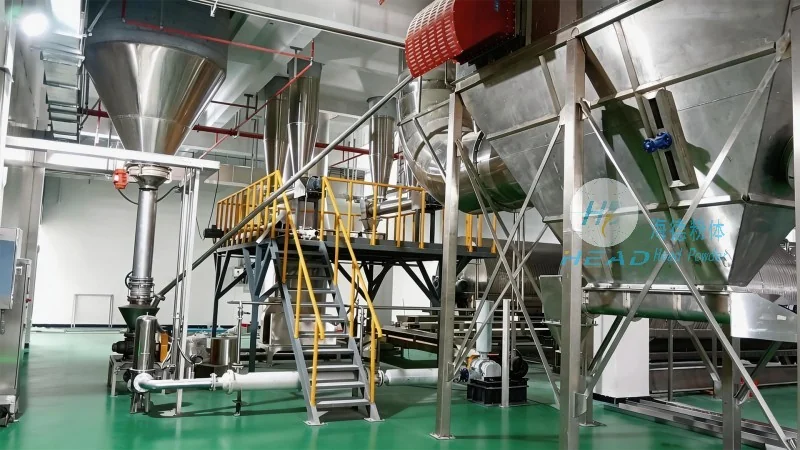
Applications of PTA Powder Pneumatic Conveying System
The PTA powder pneumatic conveying system is widely used in various industrial applications, particularly in the chemical and petrochemical industries. It is commonly employed in the production of polyester fibers, resins, and other PTA-based products. The system is also used in the transportation of PTA powder from storage facilities to processing plants, ensuring a continuous supply of raw material. In addition, the system can be adapted for use in other industries that handle fine powders, such as pharmaceuticals and food processing. The versatility of the PTA powder pneumatic conveying system makes it a valuable asset for any facility that requires efficient and reliable powder transport.
Conclusion
In conclusion, the PTA powder pneumatic conveying system is a critical component in the production of PTA-based products. Its design and operational principles are tailored to address the unique challenges associated with PTA powder, ensuring safe and efficient material transport. The system offers several advantages over traditional conveying methods, including long-distance transport, reduced risk of contamination, and flexibility in integration with existing production lines. As the demand for PTA continues to grow, the importance of reliable and efficient powder transport systems will only increase. The PTA powder pneumatic conveying system, provided by Shandong HeadPowder Engineering Co., Ltd., is a proven solution for meeting these needs, with a strong commitment to quality and customer satisfaction.