

Introduction to Fly Ash Silo Pneumatic Conveying Equipment: Structure and Working Principle
Fly ash, a byproduct of coal combustion in thermal power plants, requires efficient handling and transportation systems to ensure safe and reliable operation. The fly ash silo pneumatic conveying equipment is a critical component in managing this process, offering a solution that combines storage, transport, and control in a single integrated system. This article provides an overview of the equipment's structure, working principles, and key applications, highlighting its role in modern industrial waste management.
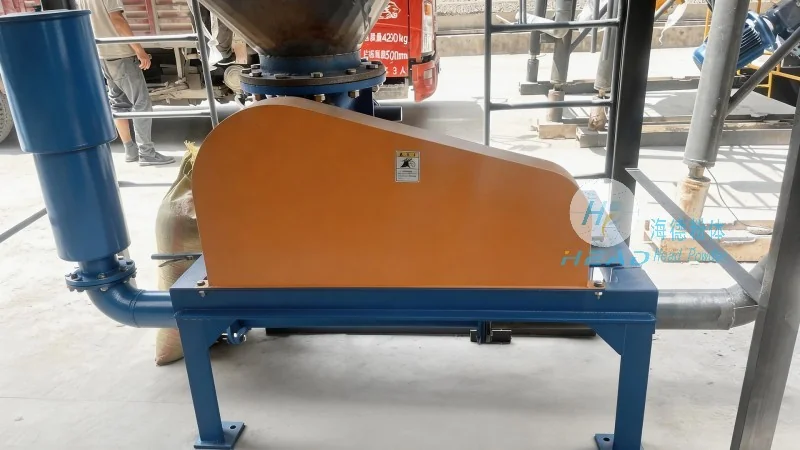
Overview of Fly Ash Silo Pneumatic Conveying Equipment
The fly ash silo pneumatic conveying system is designed to handle the storage and transportation of fly ash from the silo to downstream processing units or disposal sites. It integrates a storage silo, a pneumatic conveying line, and a control system to achieve seamless material transfer. The equipment is engineered to meet the demanding requirements of industrial applications, ensuring high efficiency, low maintenance, and compliance with safety standards. As a key solution for fly ash management, this system is widely adopted in power plants, cement factories, and other facilities that generate or process fly ash.
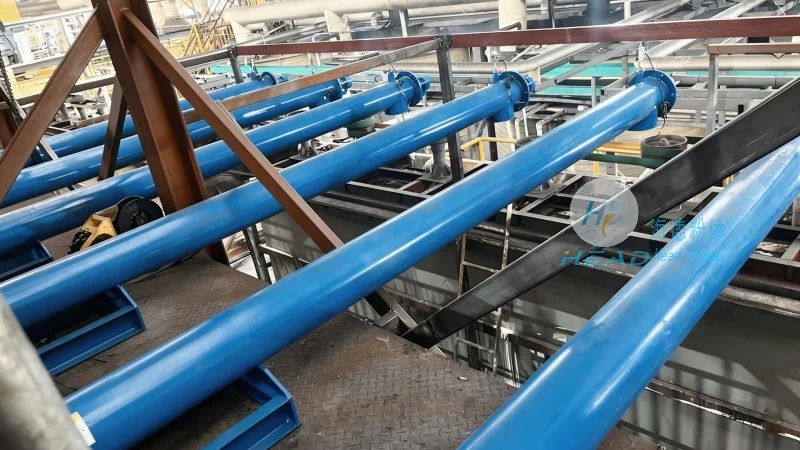
Structural Components and Working Principle
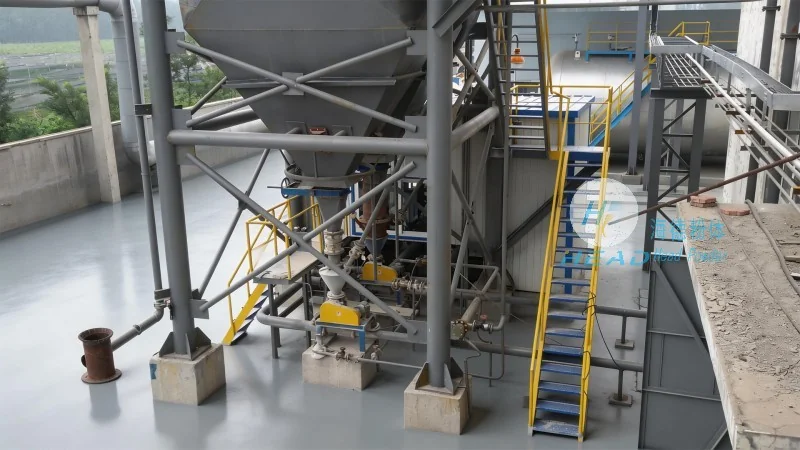
The equipment consists of several core components that work in tandem to facilitate the pneumatic conveying process. The main structural elements include the fly ash silo, which serves as the storage vessel, and the pneumatic conveying pipeline that transports the material. The silo is typically constructed from durable materials such as steel or reinforced concrete, with internal features like a conical bottom and a discharge valve to control material release. The conveying pipeline is equipped with airlocks, cyclones, and other components to manage the flow of fly ash and air. The working principle involves the use of compressed air to create a flow that carries the fly ash particles through the pipeline. In the suction mode, air is drawn from the silo to create a negative pressure, pulling the fly ash into the pipeline. In the pressure mode, compressed air is forced into the pipeline, pushing the material forward. The system also includes a control panel that monitors and regulates the pressure, flow rate, and other parameters to ensure optimal operation.
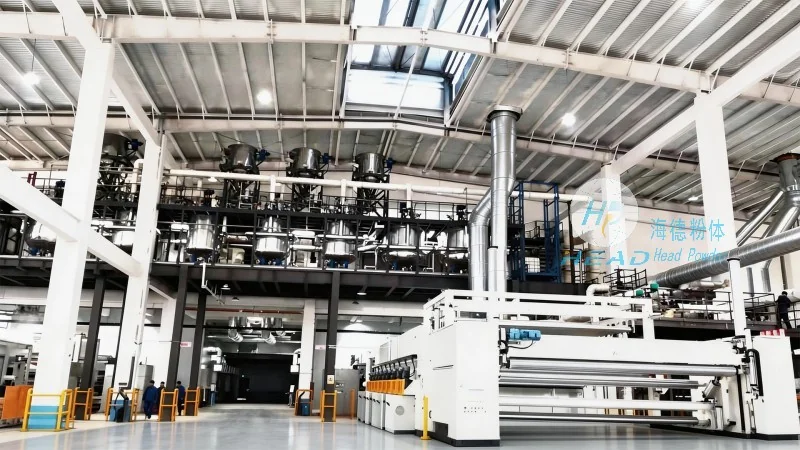
Key Features and Benefits
The fly ash silo pneumatic conveying equipment offers several advantages that make it a preferred choice for industrial applications. One of the primary benefits is its ability to handle large volumes of fly ash efficiently, reducing the need for manual handling and minimizing the risk of dust exposure. The system is also designed for low maintenance, with components that are easy to access and replace, ensuring minimal downtime. Additionally, the equipment is highly flexible, allowing for integration with existing infrastructure and adaptation to varying production needs. The use of pneumatic conveying also eliminates the need for mechanical conveyors, reducing wear and tear on equipment and extending its lifespan. Furthermore, the system is equipped with safety features such as pressure relief valves and dust collection systems, ensuring compliance with environmental and safety regulations.
Application Scenarios and Performance
The fly ash silo pneumatic conveying equipment is widely used in various industrial settings, including thermal power plants, cement production facilities, and waste management plants. In power plants, the system is used to transport fly ash from the boiler to the storage silo and then to disposal sites or recycling facilities. In cement factories, it helps in the transportation of fly ash as a raw material for cement production, improving the quality and consistency of the final product. The equipment is also used in other industries where fly ash is a byproduct, such as steel manufacturing and chemical processing. The performance of the system is characterized by high conveying efficiency, with the ability to transport fly ash over long distances with minimal loss. The system can handle different types of fly ash, including dry and wet ash, and can be adjusted to accommodate varying particle sizes and densities. The control system ensures precise regulation of the conveying process, allowing for consistent material flow and reducing the risk of blockages or other issues.
Company Profile: Shandong HeadPowder Engineering Co., Ltd.
Shandong HeadPowder Engineering Co., Ltd., commonly known as HeadPowder, is a leading manufacturer of industrial equipment specializing in fly ash handling and processing solutions. With a strong presence in China, the company has established itself as a trusted provider of high-quality pneumatic conveying systems and related equipment. HeadPowder has a team of experienced engineers and technicians who are dedicated to developing innovative solutions that meet the evolving needs of the industry. The company's products are designed with a focus on durability, efficiency, and safety, ensuring that they meet the highest standards of performance and reliability. HeadPowder's commitment to quality and customer satisfaction has earned it a reputation as a leading supplier in the market, serving clients in various industries across China and beyond.