

Introduction to Wheat Bran Pneumatic Conveying Equipment: Structure and Working Principle
Wheat bran pneumatic conveying equipment is a critical component in the processing industry, particularly in the food and agricultural sectors where efficient handling of byproducts like wheat bran is essential. This equipment is designed to transport bulk materials such as wheat bran through a pipeline system using air pressure, offering a reliable and efficient solution for material handling. The following sections provide an overview of the equipment's structure and working principles, along with key details about the manufacturer, HeadPowder, based in Shandong, China.
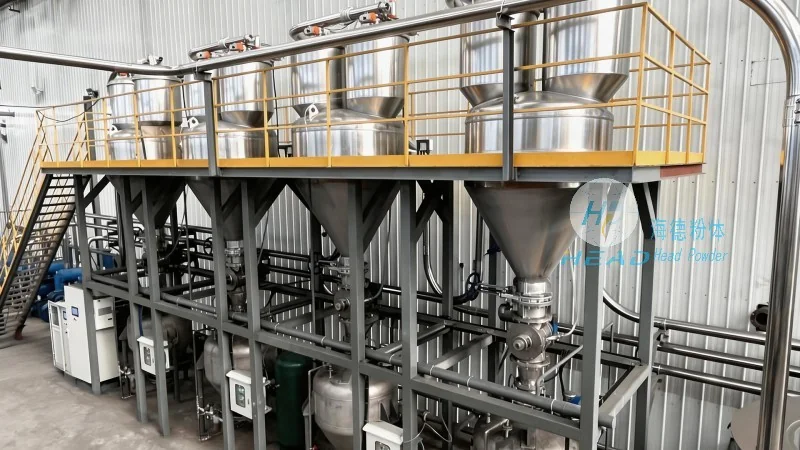
Company Profile: Shandong HeadPowder Engineering Co., Ltd.
HeadPowder, the manufacturer of this pneumatic conveying equipment, is a leading company specializing in engineering solutions for material handling systems. With a strong presence in Shandong, China, HeadPowder has established itself as a trusted provider of high-quality equipment tailored to meet the specific needs of various industries. The company's commitment to innovation and customer satisfaction has positioned it as a key player in the pneumatic conveying equipment market.
Overview of Wheat Bran Pneumatic Conveying Equipment
Wheat bran, a byproduct of wheat milling, is often used in animal feed, biofuel production, and other industrial applications. Traditional methods of transporting wheat bran, such as manual handling or mechanical conveyors, can be inefficient, costly, and pose health risks due to dust exposure. Pneumatic conveying equipment offers a modern solution to these challenges by utilizing air pressure to move bulk materials through a sealed system. This method not only enhances efficiency but also improves safety by minimizing dust and contamination.
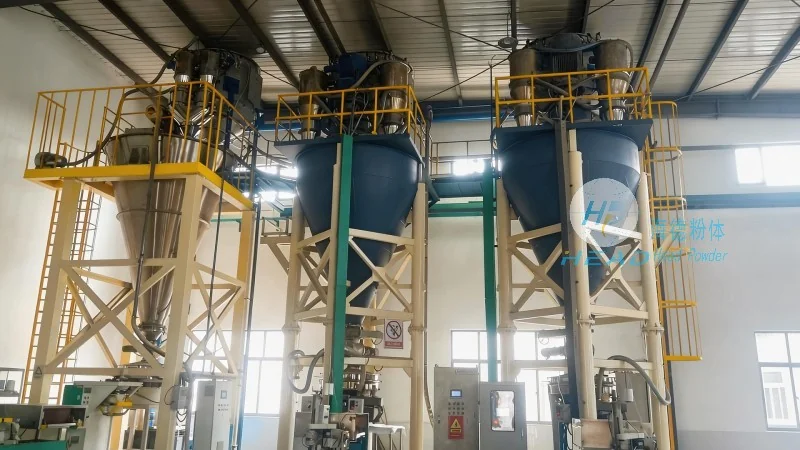
Key Components and Structure of the Equipment
The wheat bran pneumatic conveying system typically consists of several key components that work in tandem to ensure smooth and efficient material transport. These components include a hopper for material storage, a feeder to control the flow of wheat bran into the system, a conveying pipeline, a blower or compressor to generate the necessary air pressure, and a receiver or discharge unit to collect the material at the destination. Each component is designed to withstand the demands of handling bulk materials like wheat bran, ensuring durability and long-term performance.
Working Principle of the Pneumatic Conveying System
The operation of the wheat bran pneumatic conveying equipment is based on the principle of air-assisted transport. The process begins with the material being fed into the hopper from a storage silo or other source. The feeder then regulates the flow of wheat bran into the conveying pipeline, ensuring a consistent and controlled rate of material introduction. Simultaneously, the blower or compressor generates high-pressure air, which is introduced into the pipeline. As the air flows through the pipeline, it creates a low-pressure zone that draws the wheat bran particles into the air stream. The combination of air and material forms a dense mixture, which is then transported through the pipeline to the receiver or discharge point. At the destination, the air is separated from the material, typically through a cyclone separator or other filtration system, allowing the wheat bran to be collected while the air is either recirculated or vented.
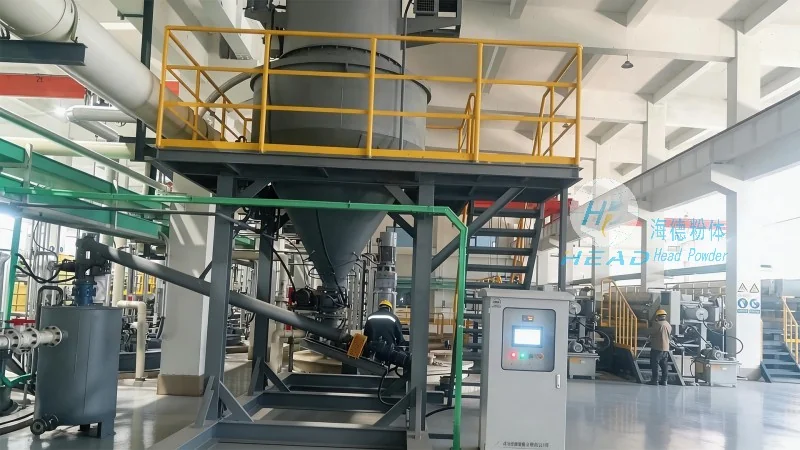
Advantages of Using Pneumatic Conveying for Wheat Bran
Implementing pneumatic conveying equipment for wheat bran handling offers numerous advantages over traditional methods. Firstly, it significantly improves operational efficiency by reducing the time and labor required for material transport. The sealed system also minimizes dust generation, enhancing workplace safety and compliance with environmental regulations. Additionally, pneumatic conveying systems can be designed to handle varying material flow rates and distances, making them adaptable to different production requirements. The equipment's ability to maintain material quality by preventing contamination and moisture absorption is another key benefit, ensuring that the wheat bran remains in optimal condition for its intended use.
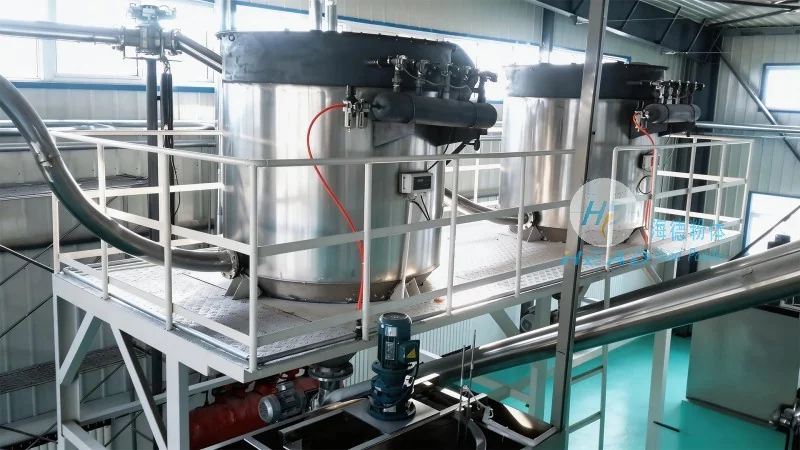
Applications and Industries
The wheat bran pneumatic conveying equipment is widely used across various industries that rely on the efficient handling of bulk materials. In the food industry, it is commonly employed in the processing of wheat bran for animal feed, where consistent and hygienic transport is crucial. The agricultural sector also benefits from this equipment in the production of biofuels, where large quantities of wheat bran need to be moved from storage to processing facilities. Furthermore, the equipment is utilized in the chemical and pharmaceutical industries for handling similar bulk materials, where precision and cleanliness are paramount.
Conclusion
Wheat bran pneumatic conveying equipment, manufactured by Shandong HeadPowder Engineering Co., Ltd., represents a sophisticated and efficient solution for the transportation of bulk materials in various industrial applications. By understanding the structure and working principles of this equipment, users can appreciate its benefits in terms of efficiency, safety, and material quality. As a leading manufacturer based in Shandong, China, HeadPowder continues to innovate and provide reliable equipment that meets the evolving needs of the industry, ensuring that wheat bran and other bulk materials are handled effectively and sustainably.