

Introduction to Tea Powder Pneumatic Conveying Equipment and Structural Principles
Tea powder pneumatic conveying equipment is a specialized system designed for the efficient and safe transportation of tea powder and related powders in industrial settings. This equipment is crucial for tea processing facilities, as it ensures the consistent and hygienic movement of tea powder from production areas to storage or packaging units. The following sections provide an overview of the equipment's structure and operational principles, highlighting key components and their functions.
Company Information and Background
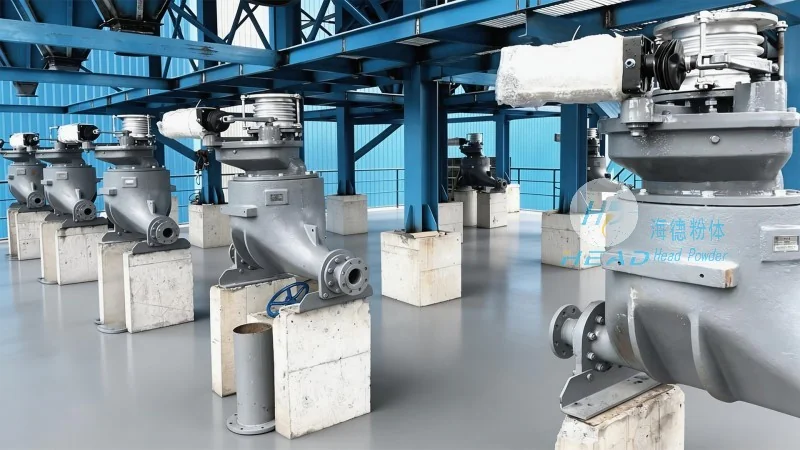
Shandong HeadPowder Engineering Co., Ltd., based in Shandong, China, specializes in the design, manufacturing, and installation of advanced pneumatic conveying systems. With a focus on precision engineering and adherence to industry standards, the company has established itself as a reliable partner for tea processing plants seeking efficient material handling solutions. The company's expertise in pneumatic technology ensures that clients receive equipment tailored to their specific production needs, enhancing operational efficiency and product quality.
Overview of Pneumatic Conveying Systems for Tea Powder
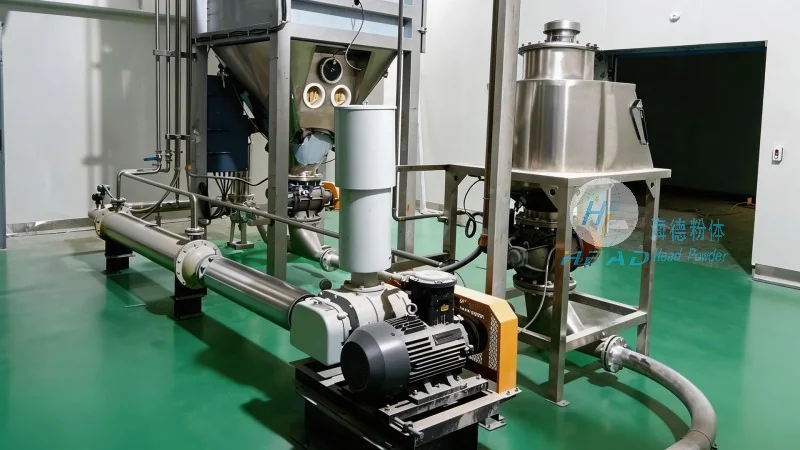
Pneumatic conveying systems utilize air or gas to transport bulk materials like tea powder through a network of pipes and components. These systems are preferred in the tea industry due to their ability to handle fine powders without causing contamination or degradation. The equipment typically includes a hopper for material storage, a feeder to control the flow rate, a conveying line, and a receiver for the discharged material. The system operates by creating a pressure differential, either through vacuum or pressure, to move the tea powder through the pipeline.
Key Structural Components and Their Functions
The core components of a tea powder pneumatic conveying system include the following:
- Material Hopper: A container that holds the tea powder, providing a consistent feed to the system. The hopper is designed with smooth surfaces to prevent material buildup and ensure easy cleaning.
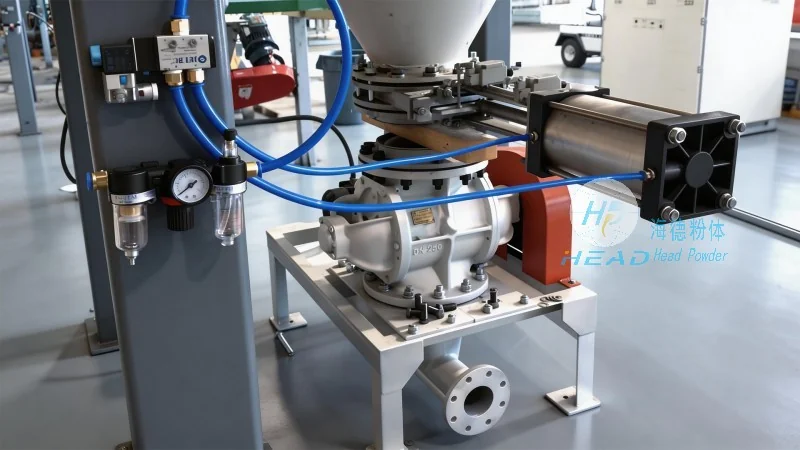
- Feeder Unit: This component regulates the flow of tea powder from the hopper into the conveying line. It can be a rotary valve, screw feeder, or other type of feeder that maintains a controlled and steady flow rate, preventing overloading or underflow.
- Conveying Line: The pipeline through which the tea powder is transported. The line is usually made of stainless steel or other corrosion-resistant materials to withstand the abrasive nature of tea powder and maintain hygiene standards.
- Air Supply System: Comprised of a blower or fan that generates the necessary air pressure or vacuum to move the powder. The system includes filters and moisture control devices to ensure the air quality is suitable for handling food-grade materials.
- Receiver Tank: A container that collects the tea powder at the end of the conveying line. The receiver is equipped with a discharge valve or outlet to transfer the material to the next processing stage, such as packaging.
Operational Principles and How the System Works
The operation of a tea powder pneumatic conveying system involves several steps. First, the tea powder is fed from the hopper into the feeder unit. The feeder then controls the flow rate, ensuring a consistent amount of powder enters the conveying line. Simultaneously, the air supply system generates the required pressure or vacuum. When the air is introduced into the conveying line, it creates a flow that entrains the tea powder particles, carrying them through the pipeline to the receiver. The velocity of the air and the size of the powder particles determine the efficiency of the conveying process. Proper design of the system ensures that the powder is transported without segregation or agglomeration, maintaining the quality of the final product.
Advantages of Using Pneumatic Conveying for Tea Powder
Implementing pneumatic conveying systems in tea processing facilities offers several advantages. Firstly, it eliminates the need for manual handling of tea powder, reducing the risk of contamination and improving workplace safety. The enclosed system prevents dust emissions, which is crucial for maintaining a clean and healthy environment in the facility. Additionally, pneumatic conveying systems are highly efficient, allowing for continuous operation and reducing downtime compared to traditional methods like bucket elevators or belt conveyors. The system also minimizes product degradation, as the powder is not subjected to excessive friction or impact during transport. This results in higher product quality and better customer satisfaction.
Customization and Application in Tea Processing
Tea powder pneumatic conveying equipment is highly customizable to meet the specific requirements of different tea processing plants. Shandong HeadPowder Engineering Co., Ltd. works closely with clients to understand their production volumes, material characteristics, and operational constraints. Based on this information, the company designs and manufactures a system that optimizes material handling while minimizing energy consumption and maintenance costs. The equipment can be adapted for various tea types, including green tea, black tea, and oolong tea powders, each with different particle sizes and moisture content. The system's flexibility allows it to be integrated into existing production lines or used as a standalone solution for new installations.
Maintenance and Safety Considerations
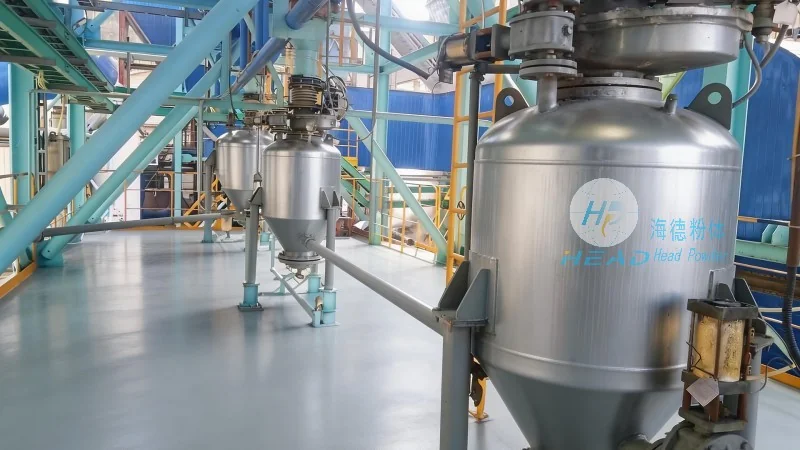
Proper maintenance is essential to ensure the longevity and efficiency of tea powder pneumatic conveying equipment. Regular cleaning of the hopper, feeder, and conveying line is necessary to prevent material buildup and clogging. The air supply system should be checked for proper functioning, including the blower, filters, and moisture control devices. Any signs of wear or damage to the components should be addressed promptly to avoid system failures. Safety is a critical aspect of operating pneumatic conveying systems. The equipment should be equipped with safety features such as pressure relief valves, emergency stop buttons, and dust extraction systems to prevent accidents and ensure compliance with safety regulations. Training of operators on the proper use and maintenance of the system is also vital to maintain a safe working environment.
Conclusion
Tea powder pneumatic conveying equipment is a vital component in modern tea processing facilities, offering efficient, hygienic, and safe material handling solutions. The system's design, based on precise engineering principles, ensures that tea powder is transported with minimal degradation and maximum quality. Shandong HeadPowder Engineering Co., Ltd. provides comprehensive solutions for tea processing plants, from equipment design and manufacturing to installation and maintenance. By leveraging the expertise of such companies, tea manufacturers can enhance their operational efficiency, reduce costs, and maintain high standards of product quality. The adoption of pneumatic conveying systems is a strategic investment that supports the long-term success of tea processing businesses in an increasingly competitive market.