

Introduction to Soybean Grain Pneumatic Conveying Equipment: Structure and Working Principle
For agricultural and food processing industries, the efficient handling of bulk materials like soybeans is crucial for maintaining productivity and product quality. Pneumatic conveying systems have emerged as a reliable solution for transporting these materials, offering advantages such as dust control, reduced contamination, and the ability to handle various particle sizes. This article provides an overview of soybean grain pneumatic conveying equipment, focusing on its structural components and operational principles, while highlighting the expertise of Shandong HeadPowder Engineering Co., Ltd. in this field.
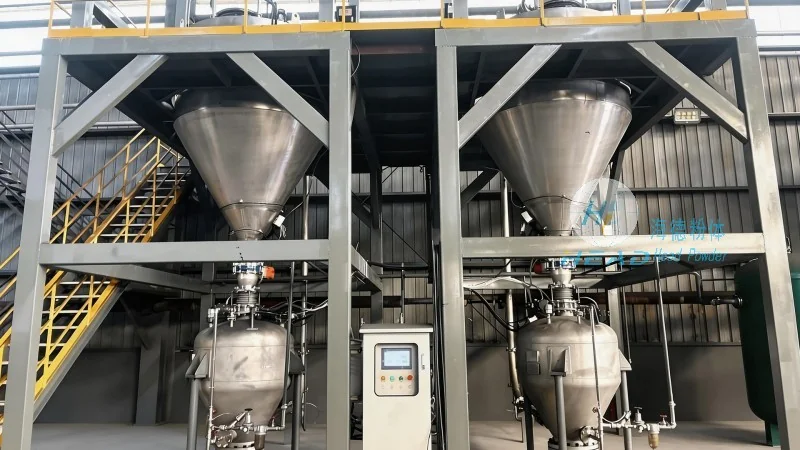
HeadPowder, a leading manufacturer based in Shandong, China, specializes in the design and production of advanced pneumatic conveying solutions tailored to the specific needs of the agricultural sector. The company’s commitment to innovation and quality ensures that their equipment meets the highest standards for performance and durability. By understanding the core components and working mechanisms of these systems, users can better appreciate how they contribute to efficient soybean handling in grain processing operations.
Key Structural Components of Pneumatic Conveying Systems
The pneumatic conveying equipment for soybean grain typically consists of several essential components that work in tandem to facilitate material transport. The primary parts include the hopper, which serves as the material storage and feeding unit, ensuring a consistent flow of soybeans into the system. The hopper is equipped with a feeder, often a rotary valve or a screw conveyor, which regulates the discharge rate and maintains a steady material supply. This feeder is critical for preventing blockages and ensuring smooth operation.
Next, the conveying line, which can be either positive or negative pressure, is responsible for transporting the soybeans through the system. Positive pressure systems use blowers or compressors to push the material forward, while negative pressure systems create a vacuum to draw the material. The choice of pressure type depends on factors such as the distance to be covered, the material characteristics, and the desired flow rate. In soybean applications, positive pressure systems are commonly preferred due to their ability to handle longer distances and varying particle sizes without significant degradation.
Along the conveying line, there are often intermediate units such as cyclones or filters. These components are designed to separate the conveyed material from the air stream, ensuring that the soybeans are delivered to the destination without contamination. The cyclone, for instance, uses centrifugal force to separate particles from the air, while filters may be employed to capture fine dust or debris. This separation process is vital for maintaining product purity and preventing equipment wear.
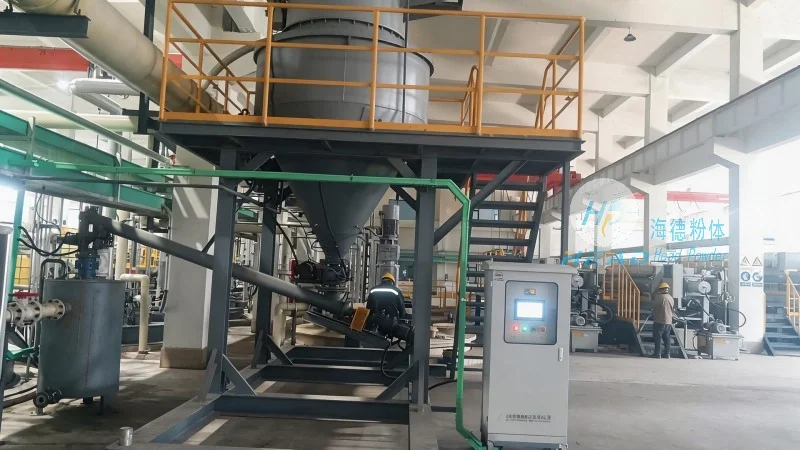
The system also includes a receiver or discharge hopper at the end of the conveying line. This component collects the soybeans and stores them until they are further processed or packaged. The receiver is typically equipped with a discharge valve or a conveyor to transfer the material to the next stage of the production line. Proper design of the receiver is essential to prevent material buildup and ensure efficient unloading.
Working Principle of Pneumatic Conveying for Soybeans
The operation of a pneumatic conveying system for soybeans involves a sequence of steps that ensure the material is transported from the source to the destination. The process begins with the material being loaded into the hopper. The feeder then controls the flow rate, releasing a controlled amount of soybeans into the conveying line. Simultaneously, the air compressor or blower generates a high-pressure air stream that mixes with the soybeans, creating a slurry or a suspension.
This mixture is then propelled through the conveying line by the pressure differential. The air flow carries the soybeans, maintaining their suspension and preventing them from settling or clogging the pipes. As the mixture travels, it passes through any intermediate separation units, such as cyclones or filters, where the air is separated from the material. The separated air is then discharged back into the system or vented to the atmosphere, depending on the design.
Upon reaching the receiver, the soybeans are deposited into the storage hopper. The receiver’s discharge mechanism then transfers the material to the subsequent processing steps, such as cleaning, sorting, or packaging. The entire process is automated, allowing for continuous operation with minimal human intervention. The efficiency of the system is enhanced by the consistent flow of material and the controlled air pressure, which minimizes energy consumption and maximizes throughput.
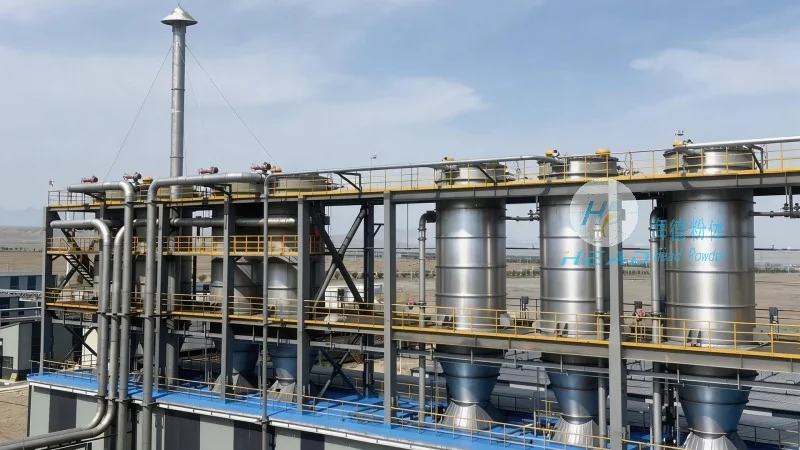
Advantages of Pneumatic Conveying for Soybean Handling
Implementing pneumatic conveying systems for soybean grain offers several advantages over traditional methods like belt conveyors or bucket elevators. One of the key benefits is the ability to handle fine or dusty materials without causing contamination or product degradation. Unlike mechanical systems that may generate friction and heat, pneumatic conveying uses air to transport the material, reducing the risk of spoilage or quality loss.
Another advantage is the flexibility in system design. Pneumatic conveying can be configured to handle various distances and layouts, making it suitable for both small-scale and large-scale operations. The system can be easily integrated with other processing equipment, such as cleaning or sorting machines, to form a complete production line. This integration enhances overall efficiency and reduces the need for manual handling, which is both labor-intensive and prone to errors.
Dust control is a significant advantage of pneumatic conveying, particularly in soybean processing where dust can be a health hazard and cause equipment wear. The enclosed system prevents dust from escaping into the environment, ensuring a safer working environment for operators. Additionally, the system reduces the need for cleaning and maintenance due to the lack of moving parts that come into direct contact with the material, such as belts or buckets.
Energy efficiency is another critical factor. While initial setup costs may be higher than traditional systems, the long-term operational costs are lower due to reduced energy consumption and minimal maintenance requirements. The ability to handle high volumes of material with minimal labor also contributes to cost savings. Overall, pneumatic conveying provides a sustainable and efficient solution for soybean grain handling, aligning with modern agricultural and food processing standards.
Application Examples in Soybean Processing
Shandong HeadPowder Engineering Co., Ltd. has successfully implemented pneumatic conveying systems in various soybean processing facilities across China. For instance, a large-scale soybean oil processing plant in Shandong utilized a positive pressure pneumatic conveying system to transport raw soybeans from the storage silos to the pretreatment unit. The system, equipped with a large hopper and a high-capacity feeder, ensured a consistent flow of material, reducing downtime and increasing production capacity.
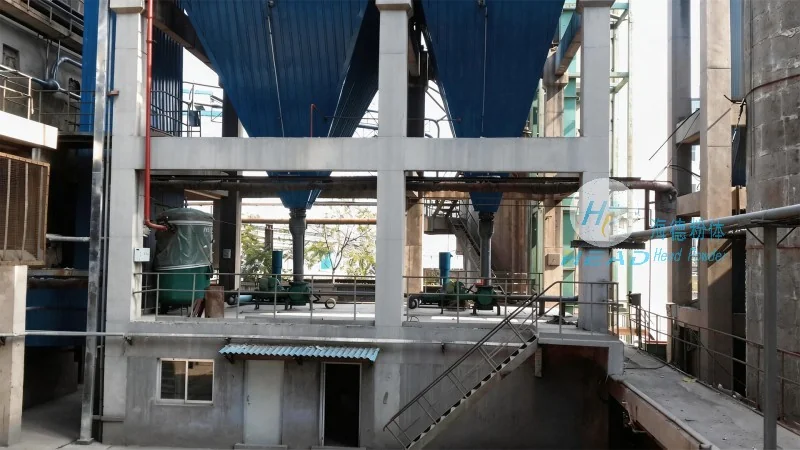
In another application, a soybean meal production facility used a negative pressure system to convey the processed meal from the grinding unit to the packaging area. The cyclone separator integrated into the system effectively removed fine particles from the air stream, maintaining the quality of the meal. The receiver at the end of the line was designed to handle large volumes, allowing for continuous packaging without interruptions.
The company’s expertise in customizing systems to meet specific requirements has been demonstrated in these and other projects. By working closely with clients to understand their operational needs, HeadPowder has developed tailored solutions that enhance efficiency and reduce costs. The success of these applications highlights the reliability and effectiveness of pneumatic conveying equipment in soybean grain handling.
Conclusion and Future Developments
Pneumatic conveying equipment plays a vital role in the efficient handling of soybean grain, offering advantages in terms of efficiency, product quality, and operational flexibility. The structural components and working principles of these systems are designed to ensure reliable and continuous material transport, while minimizing the risk of contamination and equipment wear. Shandong HeadPowder Engineering Co., Ltd. continues to innovate in this field, developing advanced solutions that meet the evolving needs of the agricultural and food processing industries.
As technology advances, future developments in pneumatic conveying systems may include the integration of automation and IoT (Internet of Things) technologies. These advancements could enable real-time monitoring of system performance, predictive maintenance, and optimized material flow. Additionally, the use of sustainable materials and energy-efficient designs will further enhance the environmental and economic benefits of these systems. With the expertise and commitment of manufacturers like HeadPowder, the future of soybean grain handling is poised for continued improvement and efficiency.