

Introduction to Positive Pressure Dilute Phase Pneumatic Conveying Systems and Their Structural Prin
HeadPowder, a leading engineering firm based in Shandong, China, specializes in the design, manufacturing, and implementation of advanced pneumatic conveying systems. This article provides an overview of positive pressure dilute phase pneumatic conveying systems, detailing their structural components and operational principles.
Company Profile and Core Expertise
HeadPowder Engineering Co., Ltd. is a professional enterprise dedicated to the research and development of pneumatic conveying technologies. With a strong focus on innovation and precision engineering, the company has established itself as a trusted provider of high-quality solutions for material handling and transportation. HeadPowder operates from its headquarters in Shandong, China, serving clients across various industries with tailored pneumatic conveying systems.
Understanding Positive Pressure Dilute Phase Pneumatic Conveying
Positive pressure dilute phase pneumatic conveying systems are a sophisticated method of transporting bulk materials through a pipeline using compressed air. Unlike negative pressure systems, these systems operate by pressurizing the entire conveying line, ensuring a consistent flow of material and air. The "dilute phase" refers to the low concentration of material suspended in the air stream, which allows for efficient and low-resistance transport over long distances.
Key Structural Components of the System
The core structure of a positive pressure dilute phase pneumatic conveying system comprises several critical components that work in tandem to ensure reliable operation. These include:
1. Compressor and Air Treatment Unit: The system starts with a high-pressure compressor that generates the necessary air pressure. Air treatment equipment, such as filters and dryers, is integrated to remove contaminants and maintain air quality, preventing damage to the system and ensuring material integrity.
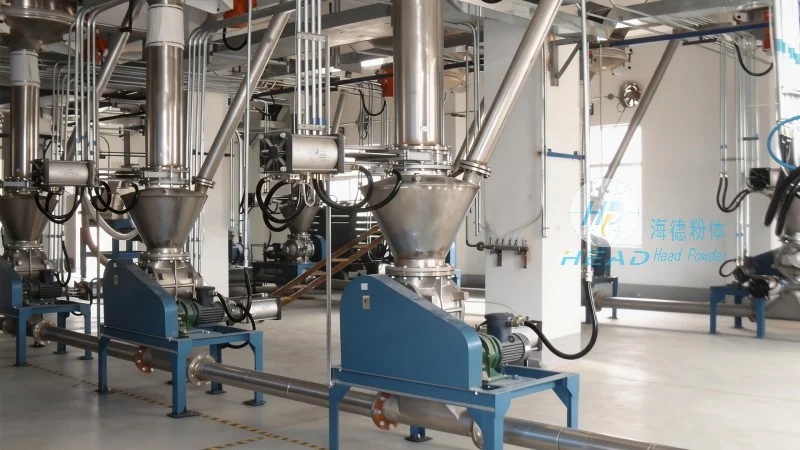
2. Material Hopper and Feeder: The material to be conveyed is stored in a hopper, from which it is fed into the pipeline. The feeder, typically a rotary valve or screw feeder, controls the flow rate of material, ensuring a steady supply to the system. This component is crucial for maintaining consistent material concentration in the air stream.
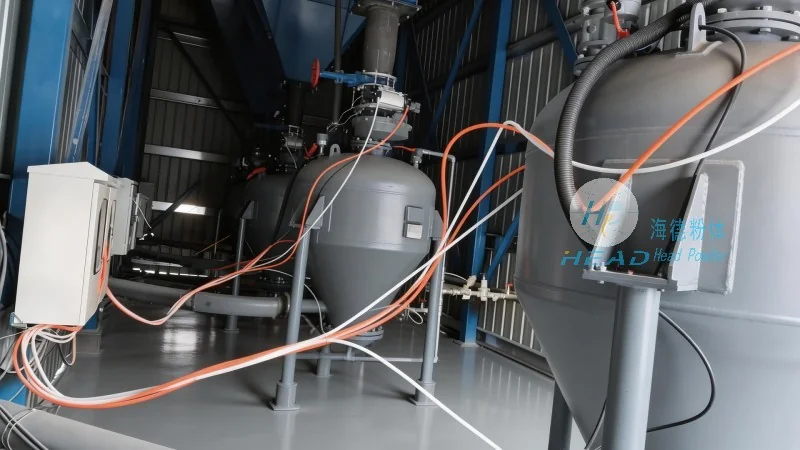
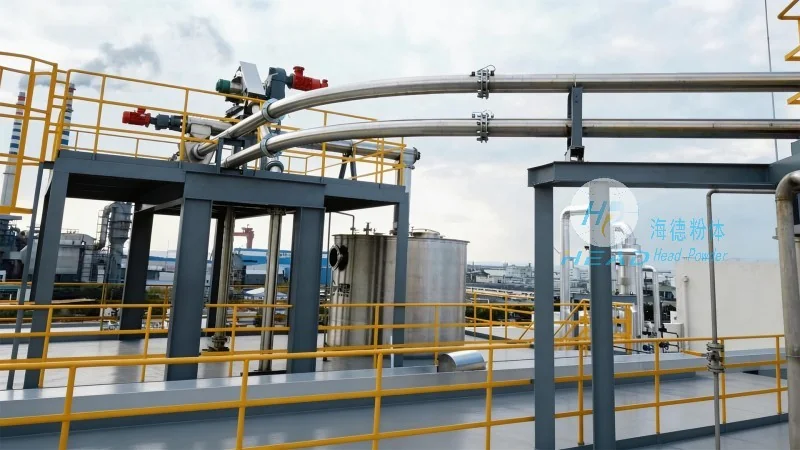
3. Pipeline and Conveying Line: The main body of the system consists of a network of pipes that transport the material-air mixture. The pipeline is designed to handle the pressure and flow requirements, with appropriate fittings and valves to control the direction and speed of material transport.
4. Receiver and Discharge Unit: At the end of the conveying line, a receiver collects the material, which is then discharged through a valve or other outlet. The receiver is often equipped with a dust collection system to manage any residual particles and maintain environmental compliance.
5. Control System and Monitoring Equipment: Modern systems incorporate advanced control panels and sensors to monitor pressure, flow, and material levels in real-time. This allows for automated operation and immediate adjustments to maintain optimal performance, enhancing efficiency and reducing downtime.
Operational Principles and Advantages
The operational principle of a positive pressure dilute phase system involves the injection of compressed air into the material hopper, which lifts and suspends the material particles. The air stream then carries the material through the pipeline to the receiver. The key advantages of this method include:
1. Efficient Material Transport: The high-pressure air ensures that material is transported quickly and over long distances with minimal energy loss, making it suitable for applications requiring rapid material handling.
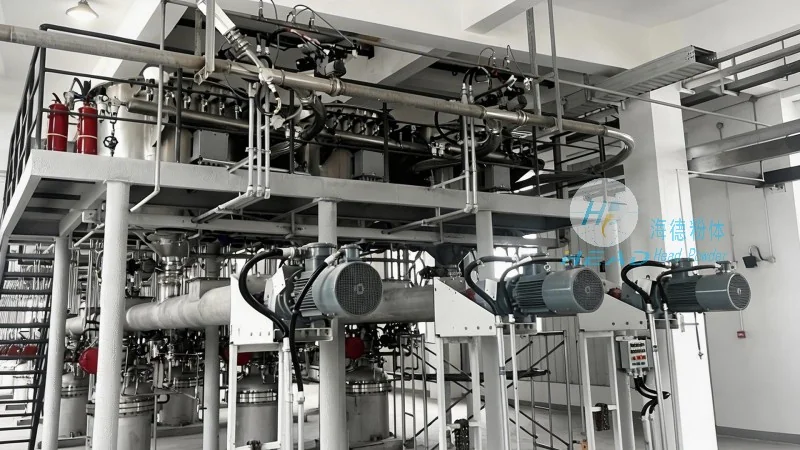
2. Low Maintenance Requirements: Compared to other material handling methods, such as belt conveyors or bucket elevators, pneumatic conveying systems have fewer moving parts and require less maintenance, reducing operational costs.
3. Versatility in Material Handling: Positive pressure systems can handle a wide range of materials, including powders, granules, and fine particles, without causing degradation or contamination. This makes them ideal for sensitive materials like pharmaceuticals, food products, and chemicals.
4. Space Efficiency: The compact design of the system allows for installation in confined spaces, making it suitable for facilities with limited floor area. The pipeline can be routed vertically or horizontally, adapting to the layout of the facility.
Applications and Industry Use Cases
Positive pressure dilute phase pneumatic conveying systems are widely used across various industries due to their flexibility and efficiency. Common applications include:
1. Pharmaceutical and Food Processing: In these industries, the system is used to transport ingredients and finished products with strict hygiene and contamination control requirements. The positive pressure design prevents external air from entering the system, maintaining product purity.
2. Chemical Manufacturing: Chemical plants utilize these systems to handle powders and granules, ensuring safe and efficient material transfer while minimizing dust exposure and environmental impact.
3. Mineral and Mining Industries: The system is employed to transport raw materials and byproducts from processing plants, enabling long-distance transport without the need for additional equipment like trucks or trains.
4. Plastics and Rubber Processing: In these sectors, the system efficiently conveys raw materials and additives, contributing to streamlined production processes and reduced handling time.
Conclusion and Company Commitment
HeadPowder Engineering Co., Ltd. continues to advance the technology of positive pressure dilute phase pneumatic conveying systems, focusing on innovation and customer satisfaction. By leveraging its expertise in engineering and material handling, HeadPowder provides reliable and efficient solutions tailored to the specific needs of each client. With its headquarters in Shandong, China, the company remains committed to delivering high-quality products and services that meet the evolving demands of the industry.