

Design Calculation and Equipment Selection for Glass Powder Pneumatic Conveying
For industrial applications involving the handling of glass powder, the design and selection of pneumatic conveying systems are critical to ensure efficiency, reliability, and cost-effectiveness. This document outlines the key considerations and methodologies for calculating the design parameters and selecting appropriate equipment for glass powder pneumatic conveying, with a focus on the expertise of Shandong HeadPowder Engineering Co., Ltd., a leading provider in this field.
Understanding Pneumatic Conveying Systems for Glass Powder
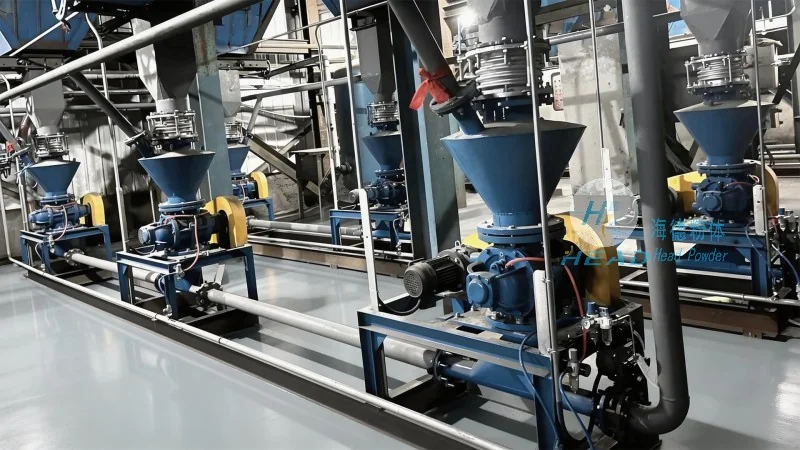
Pneumatic conveying systems transport bulk materials like glass powder through a pipeline using air or other gases as the conveying medium. These systems are widely used in the glass manufacturing industry due to their ability to handle fine powders without the need for mechanical components that could cause contamination or wear. The primary goal of designing such a system is to achieve a stable, continuous flow of material while minimizing energy consumption and maintaining product integrity.
Key Design Parameters and Calculation Methods
The successful design of a glass powder pneumatic conveying system begins with accurate calculation of several key parameters. These include the required air velocity, pressure drop, and power consumption, which are all influenced by the physical properties of the glass powder, such as particle size distribution, density, and moisture content. HeadPowder, as a specialized engineering firm, employs advanced computational fluid dynamics (CFD) and empirical formulas to determine these parameters. For instance, the air velocity must be sufficient to overcome the gravitational and frictional forces acting on the powder particles, typically ranging from 20 to 40 meters per second for fine glass powders. The pressure drop across the system is another critical factor, as it directly impacts the energy required to operate the system. Engineers at HeadPowder use the Ergun equation or similar models to estimate pressure drop based on the system's configuration, including pipe diameter, length, and bends.
Equipment Selection for Glass Powder Pneumatic Conveying
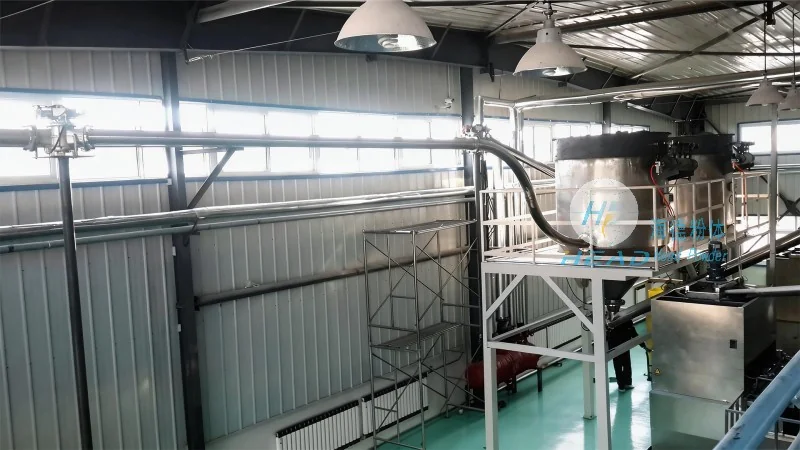
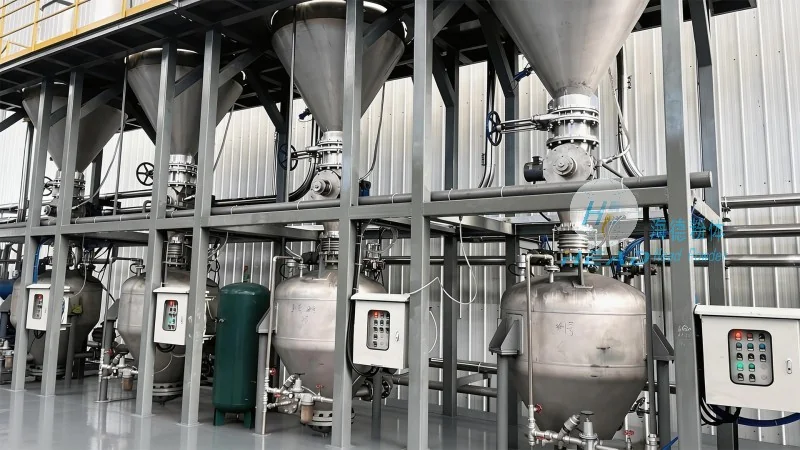
Once the design parameters are determined, the next step is to select the appropriate equipment for the system. This involves choosing components such as the feeder, air compressor, pipeline, and control valves. For glass powder, which is often abrasive and can cause wear, the selection of durable materials is paramount. HeadPowder recommends using stainless steel or high-grade plastic for the pipeline and components to ensure longevity and prevent contamination. The feeder, which introduces the glass powder into the conveying system, is typically a rotary valve or a pressure feeder, depending on the flow rate and material characteristics. The air compressor must be capable of delivering the required air volume and pressure, with options ranging from rotary lobe compressors to screw compressors, depending on the system's scale and operational needs. Additionally, the system may include cyclone separators or filters to separate the powder from the air at the discharge end, ensuring that the material is collected efficiently and the air is cleaned before release.
Customized Solutions by Shandong HeadPowder Engineering Co., Ltd.
Shandong HeadPowder Engineering Co., Ltd., operating under the brand name HeadPowder, specializes in providing tailored pneumatic conveying solutions for glass powder applications. With a team of experienced engineers and extensive industry knowledge, HeadPowder offers comprehensive design, installation, and maintenance services. The company's approach involves a thorough analysis of the client's specific requirements, including the type of glass powder, production volume, and operational environment, to develop a customized system that meets both performance and budgetary constraints. HeadPowder's engineers work closely with clients to ensure that the final design aligns with their operational goals, whether it's maximizing throughput, minimizing downtime, or reducing energy costs. The company's commitment to quality and customer satisfaction is reflected in its use of advanced technology and adherence to industry standards.
Conclusion and Contact Information
Designing and selecting a pneumatic conveying system for glass powder requires a careful balance of technical expertise and practical application. By leveraging the expertise of companies like Shandong HeadPowder Engineering Co., Ltd., industries can achieve efficient and reliable material handling solutions. HeadPowder's focus on customized solutions and rigorous design processes ensures that clients receive systems that are optimized for their specific needs, contributing to improved productivity and operational efficiency in the glass manufacturing sector.