

Pneumatic Conveying Design and Equipment Selection for Seaweed Powder
Seaweed powder, a valuable resource in modern industrial applications, often requires efficient and reliable material handling solutions. Pneumatic conveying systems have emerged as a preferred method for transporting such powders due to their ability to handle fine particles like seaweed powder with minimal product degradation. This article explores the design calculations and equipment selection processes tailored for seaweed powder pneumatic conveying, highlighting key considerations and practical applications.
Understanding Seaweed Powder Characteristics and Pneumatic Conveying Principles
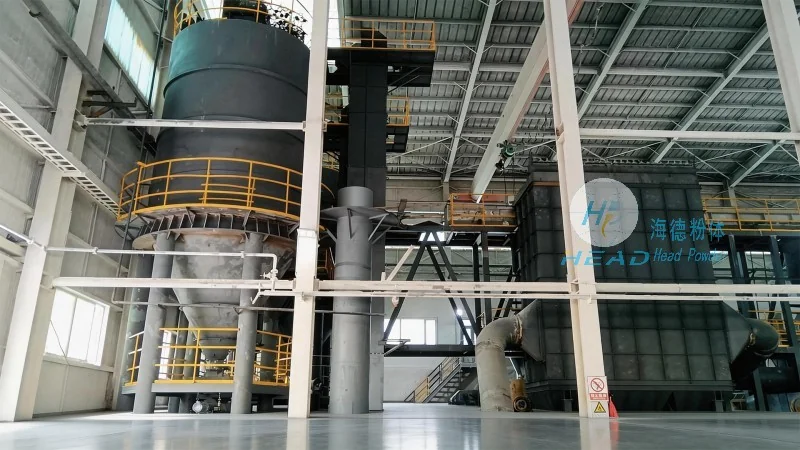
Before delving into the design and equipment selection for seaweed powder, it is essential to understand the unique properties of this material. Seaweed powder typically consists of fine particles with varying moisture content, density, and flowability. These characteristics directly impact the performance of pneumatic conveying systems. Pneumatic conveying relies on the use of air or other gases to transport bulk materials through a pipeline. The primary types include pressure and vacuum systems, each with distinct advantages and applications. For seaweed powder, which may be sensitive to moisture and temperature changes, selecting the appropriate system is crucial to maintain product quality throughout the conveying process.
Key Design Calculations for Seaweed Powder Pneumatic Conveying Systems
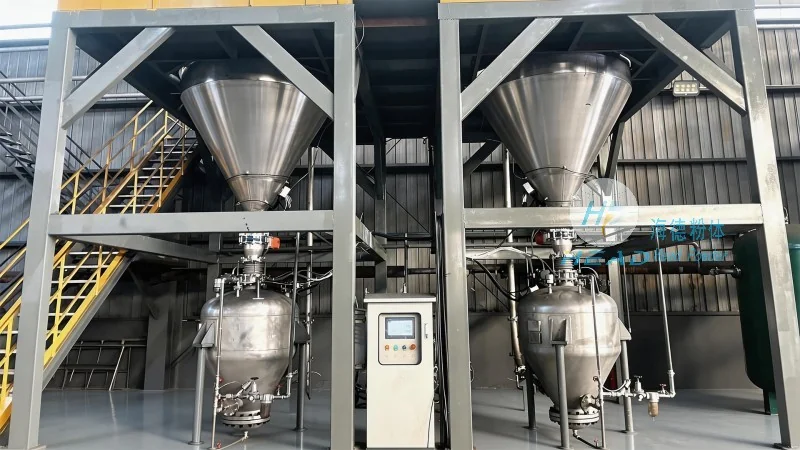
The successful implementation of a seaweed powder pneumatic conveying system begins with accurate design calculations. Several critical parameters must be considered to ensure optimal performance and efficiency. The first step involves determining the required conveying capacity, which is typically expressed in terms of material flow rate (e.g., tons per hour). This is influenced by the production rate of seaweed powder and the desired throughput of the downstream processing equipment. Next, the air velocity within the pipeline must be calculated to ensure that the powder particles are adequately suspended and transported without excessive pressure drop or particle degradation. The air velocity is often determined based on the particle size distribution, density, and terminal velocity of the seaweed powder. Additionally, the pressure drop along the pipeline is a critical factor, as it directly affects the energy consumption and overall system efficiency. Engineers use empirical formulas and computational fluid dynamics (CFD) simulations to model the flow behavior and calculate the pressure drop accurately. Other design considerations include the pipeline diameter, length, and the number of bends or fittings, as these elements can significantly impact the system's performance and cost.
Equipment Selection for Seaweed Powder Pneumatic Conveying
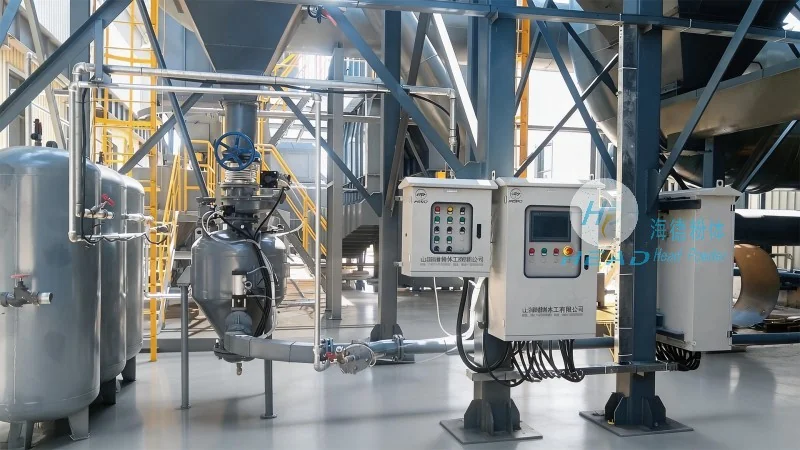
Once the design calculations are complete, the next step is to select the appropriate equipment for the seaweed powder pneumatic conveying system. The choice of equipment depends on factors such as the material characteristics, conveying distance, and operational requirements. The primary components of a pneumatic conveying system include the material feed device, air supply system, conveying pipeline, and material discharge equipment. For seaweed powder, which may be prone to caking or bridging, a suitable feed device is essential to ensure consistent and reliable material introduction into the system. Common feed options include rotary valves, star feeders, or screw feeders, each with specific advantages in handling fine powders. The air supply system typically consists of a blower or compressor, which provides the necessary air pressure and flow rate. The choice between positive displacement blowers and centrifugal compressors depends on the system's pressure requirements and efficiency considerations. The conveying pipeline is usually made of materials such as stainless steel or plastic, selected based on the corrosive nature of seaweed powder and the need for durability. The pipeline diameter is determined based on the air velocity and material flow rate, ensuring that the system operates within optimal pressure drop ranges. Finally, the material discharge equipment, such as a rotary valve or a dust collector, is crucial for safely and efficiently removing the seaweed powder from the system. The selection of each component must be carefully evaluated to ensure compatibility with the seaweed powder's properties and to maximize system performance and longevity.
Company Profile: Shandong HeadPowder Engineering Co., Ltd.
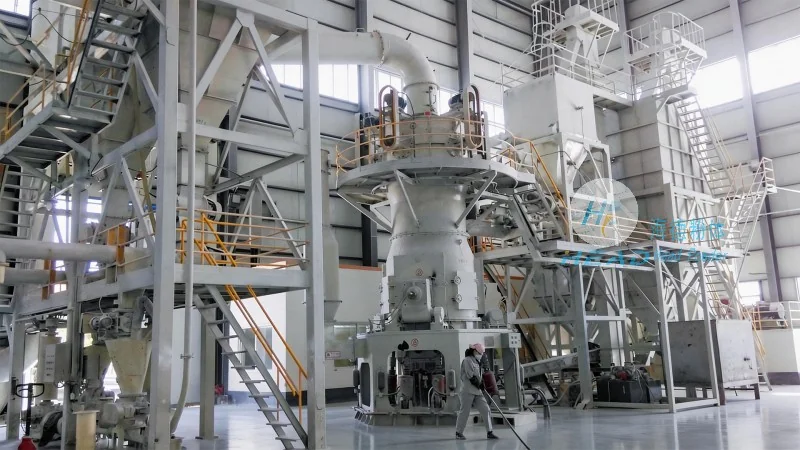
Shandong HeadPowder Engineering Co., Ltd., operating under the brand name headpowder, specializes in the design, manufacturing, and integration of pneumatic conveying systems tailored for various industrial applications, including the handling of seaweed powder. With a focus on innovation and customer-centric solutions, the company leverages advanced engineering principles and industry expertise to deliver high-quality, reliable systems that meet the specific needs of its clients. Headpowder's team of experienced engineers and technicians works closely with customers to understand their material handling challenges and develop customized solutions that enhance operational efficiency and product quality. The company's commitment to quality is reflected in its adherence to international standards and rigorous testing protocols for all equipment and systems. By combining technical expertise with practical experience, headpowder provides comprehensive support from initial design and calculation to system installation and commissioning. This end-to-end service ensures that clients receive not only a well-designed pneumatic conveying system but also a reliable partner for their material handling needs. Headpowder's operations are based in Shandong, China, where the company maintains a strong presence in the industrial equipment sector, serving a diverse range of industries with specialized material handling solutions.