

Sulfur Powder Pneumatic Conveying Design Calculation and Equipment Selection
Shandong HeadPowder Engineering Co., Ltd., a professional engineering firm specializing in powder handling solutions, provides comprehensive design calculations and equipment selection for sulfur powder pneumatic conveying systems. This article outlines the key considerations and technical aspects involved in the design process, ensuring efficient and reliable material transport for industrial applications.
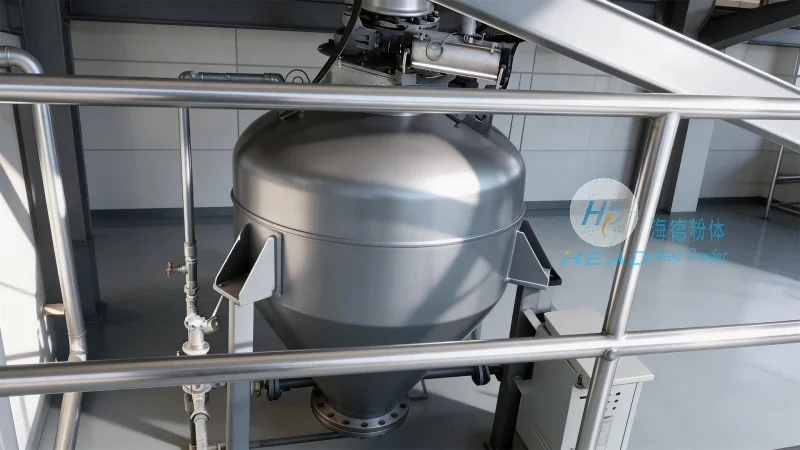
Company Overview and Expertise
HeadPowder, with its headquarters in Shandong, China, has established itself as a leading provider of engineering services tailored to the needs of the chemical and industrial sectors. The company leverages extensive experience in pneumatic conveying technology to deliver customized solutions that meet specific operational requirements. By combining advanced design methodologies with practical field applications, HeadPowder ensures that each project is optimized for performance, safety, and cost-effectiveness.
Key Design Considerations for Sulfur Powder Pneumatic Conveying
The design of a sulfur powder pneumatic conveying system involves several critical factors that must be carefully evaluated to achieve optimal results. These include material properties, such as particle size distribution, density, and flowability, which directly impact the selection of conveying velocity and system pressure. Additionally, the system layout, including the number of transfer points, vertical and horizontal distances, and the presence of obstacles, must be considered to determine the appropriate equipment configuration. The choice of conveying method—whether dilute phase or dense phase—also plays a crucial role in determining the system's efficiency and energy consumption.
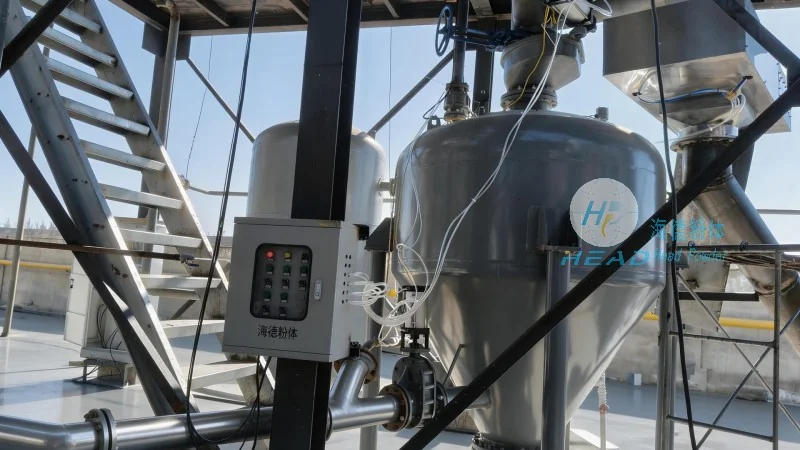
Equipment Selection for Sulfur Powder Handling
HeadPowder offers a range of equipment tailored to the unique characteristics of sulfur powder. For dilute phase conveying, positive displacement blowers or centrifugal fans are commonly used to generate the necessary airflow. The selection of these components depends on the required pressure and flow rate, which are derived from the design calculations. Additionally, the system may include components such as feeders, cyclones, and filters to ensure consistent material flow and prevent dust accumulation. The company's engineers evaluate factors like material abrasiveness and moisture content to recommend suitable materials for construction, such as stainless steel or specialized coatings, to minimize wear and corrosion.
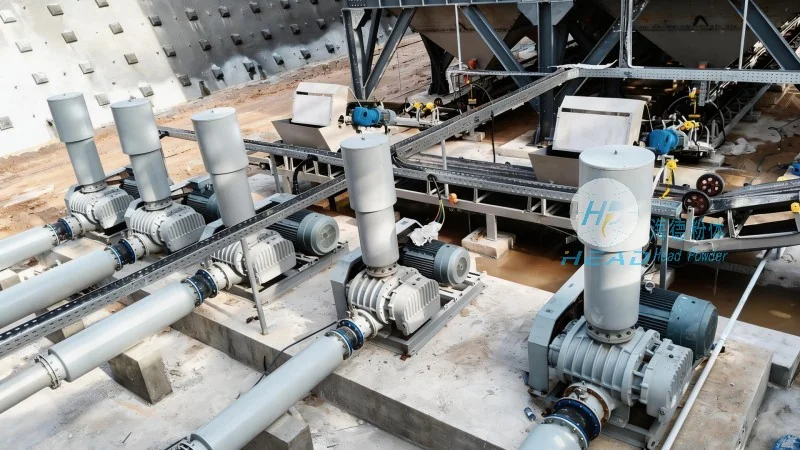
Design Calculation Process
The design process begins with a thorough analysis of the material's physical properties and operational parameters. Engineers use established formulas and empirical data to calculate the required conveying velocity, pressure drop, and power consumption. For example, the minimum conveying velocity is determined based on the material's terminal velocity, ensuring that particles remain suspended in the air stream. The pressure drop across the system is calculated by considering the contributions from straight sections, bends, and fittings, as well as the friction losses in the pipeline. These calculations are critical for selecting the appropriate blower or fan capacity and ensuring the system operates within safe and efficient parameters.
Benefits of Professional Design and Equipment Selection
Engaging a specialized engineering firm like HeadPowder for sulfur powder pneumatic conveying design offers numerous advantages. The company's expertise ensures that the system is optimized for the specific material characteristics, reducing the risk of operational issues such as blockages or excessive energy consumption. Additionally, the use of high-quality equipment and materials enhances the system's longevity and reliability, minimizing maintenance costs over the long term. By adhering to industry standards and best practices, HeadPowder delivers solutions that meet both current and future operational needs, providing clients with a competitive edge in their respective industries.